
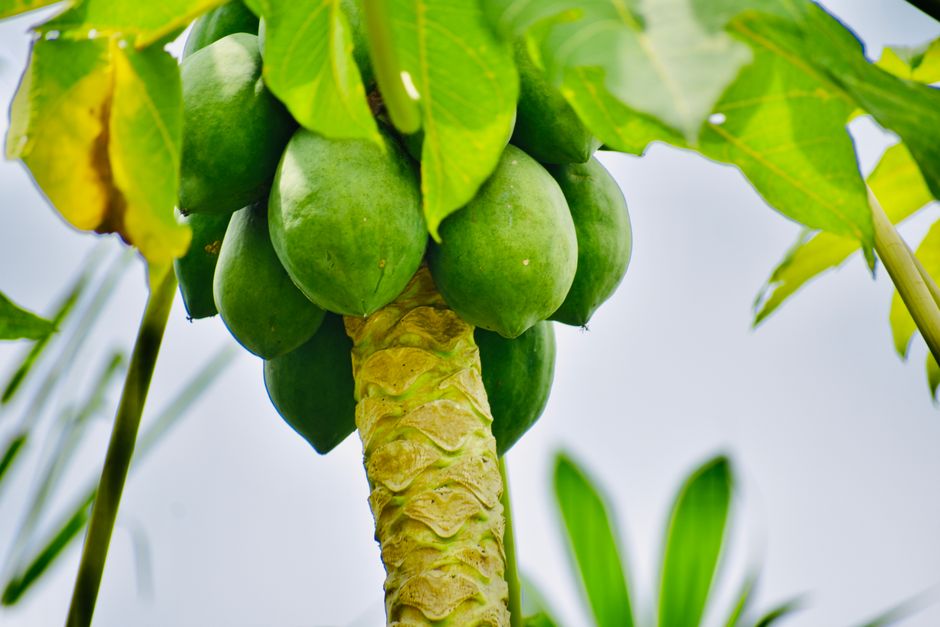
Papaya ring spot virus is one of the most destructive diseases affecting papaya plants worldwide. You can identify it by looking for distinctive ring-shaped spots on the fruit and a mosaic pattern of yellow and green on the leaves. Controlling the virus requires removing infected plants quickly, controlling aphid populations, and planting resistant varieties where available. There is no cure once a plant is infected, so prevention and early detection are the only effective strategies.
What Causes Papaya Ring Spot Virus?
Papaya ring spot virus is caused by a pathogen called Papaya ringspot virus (PRSV). It belongs to a group of viruses known as potyviruses, which are spread primarily by aphids. These are small, soft-bodied insects that feed on plant sap.
The virus does not survive well outside living plant tissue. It depends on aphids to move from one plant to another. When an aphid feeds on an infected papaya, it picks up the virus. When it moves to a healthy plant and feeds again, it transfers the virus into the new host. The entire process can happen in seconds, making control difficult.
PRSV is not spread through soil, water, or tools in most cases. It is also not transmitted through seeds. This means the primary route of infection is the aphid vector. Understanding this transmission cycle is central to any control program.
How To Identify Papaya Ring Spot Virus Symptoms
Symptoms of papaya ring spot virus appear on leaves, stems, and fruit. The most recognizable sign is on the fruit itself. Green or yellow rings develop on the skin of the fruit. These rings are often slightly raised and can be several millimeters across. As the fruit matures, the rings may become less distinct, but they are usually visible enough to confirm infection.
Leaf symptoms include a mosaic pattern. This looks like irregular patches of light green, yellow, and dark green. The leaves may also appear distorted or reduced in size. In some cases, the leaf blades become narrow and strap-like. This symptom is more common in young leaves near the top of the plant.
Stems and petioles may show dark green streaks or water-soaked lines. These are less obvious than leaf or fruit symptoms but can help confirm a diagnosis when present. Young plants infected early may become stunted and produce little or no fruit.
If you suspect papaya ring spot virus, look for the combination of leaf mosaic and fruit rings. Neither symptom alone is definitive. Other viruses and nutrient deficiencies can cause leaf discoloration. However, the ring pattern on fruit is highly specific to PRSV in most growing regions.
How Does The Virus Spread Between Plants?
Aphids transmit papaya ring spot virus in a non-persistent manner. This means the aphid does not need to feed for a long time to acquire or transmit the virus. A single brief probe of an infected plant is enough. The aphid then carries the virus on its mouthparts and can transmit it to the next plant it feeds on.
This has practical implications for control. Insecticides that kill aphids may not prevent virus spread. By the time the aphid dies, it may have already transmitted the virus to multiple plants. This is why managing aphid populations alone rarely stops an outbreak.
The virus can also spread through infected plant material. Grafting or using cuttings from an infected plant will introduce the virus to a new location. This is rarely a concern for commercial growers who use seeds, but home gardeners should avoid sharing cuttings from unknown sources.
Weeds can serve as reservoirs for the virus. Some common weeds are susceptible to PRSV and can harbor the virus without showing obvious symptoms. Removing weeds around papaya plants can reduce the local virus reservoir.





What Is The Best Way To Control Papaya Ring Spot Virus?
There is no treatment that cures an infected papaya plant. Once the virus is established, the plant will remain infected for life. The most effective control strategy is prevention combined with rapid removal of infected plants.
Roguing is the practice of removing and destroying infected plants. This is the single most important control measure. Infected plants should be cut down and disposed of. Do not compost them, as the virus can survive in plant tissue. Burning or bagging and discarding is recommended.
Roguing works best when infections are detected early. Inspect plants at least once a week during the growing season. Look for the earliest signs of leaf mosaic or fruit rings. Remove any plant that shows symptoms, even if only one branch is affected. The virus spreads systemically, meaning the entire plant is infected even if symptoms are localized.
Aphid control is a secondary measure. Reflective mulches can repel aphids from young plants. Yellow sticky traps can monitor aphid populations but do little to reduce them. Insecticidal soaps and oils can reduce aphid numbers but must be applied regularly and may not prevent transmission.
Planting resistant varieties is the most reliable long-term solution. Some papaya cultivars have been bred for tolerance or resistance to PRSV. These varieties are not available in all regions, and their performance varies. Check with local agricultural extension services for varieties recommended in your area.
Can Papaya Ring Spot Virus Be Prevented?
Prevention is possible but requires a multi-pronged approach. No single measure is fully effective on its own.
Start with healthy planting material. Use seeds from certified sources. Do not use cuttings or grafts from plants of unknown health status. If you are starting from seed, there is no risk of seed transmission, but the seedlings can become infected as soon as aphids are present.
Plant papayas away from known infected areas. If you have had PRSV in your garden before, wait before replanting in the same location. The virus does not persist in soil, but nearby infected weeds or abandoned plants can serve as sources.
Use physical barriers where practical. Floating row covers can protect young plants from aphids. These covers must be removed when flowers appear to allow pollination. This limits their usefulness for mature fruiting plants.
Maintain good sanitation. Remove weeds regularly, especially broadleaf weeds that may host the virus. Dispose of any volunteer papaya plants that appear in the garden. These can become infected and serve as a source for aphids to spread the virus to your main crop.
Are There Resistant Papaya Varieties?
Yes, but availability varies by region. Researchers have developed papaya varieties with resistance to PRSV, primarily through conventional breeding and genetic modification.
In Hawaii, the Rainbow and SunUp varieties were developed through genetic engineering to resist PRSV. These varieties have been widely grown since the late 1990s and are credited with saving the Hawaiian papaya industry. They are approved for commercial cultivation in the United States.
Other regions have developed locally adapted resistant varieties through conventional breeding. For example, some countries in Southeast Asia and South America have released PRSV-tolerant lines. These varieties may not be resistant to all strains of the virus, and their performance can vary based on local conditions.
If resistant varieties are not available in your area, you cannot rely on genetic resistance. You must focus on aphid management and roguing. Some growers use a strategy of planting more papayas than needed and removing infected plants as they appear. This can be effective but requires careful monitoring.
What Should You Do If Your Papaya Tree Is Infected?
Remove the plant as soon as you confirm the diagnosis. Delaying removal allows aphids to spread the virus to healthy plants nearby.
Cut the plant at the base and remove all plant material from the garden. Place the infected material in a sealed bag and dispose of it with household waste. Do not add it to compost. Do not leave it on the ground. The virus can survive in plant debris and may be picked up by aphids.
After removing the infected plant, monitor the surrounding plants closely. Inspect them every few days for at least two weeks. If new symptoms appear, remove those plants as well. The goal is to break the cycle of transmission before it spreads further.
If you have multiple infected plants, you may need to consider whether to continue growing papayas in that location. The virus can be persistent in an area if aphid populations remain high. Some growers choose to take a break from papaya for a season and focus on other crops.
Frequently Asked Questions
Can papaya ring spot virus spread to other fruit trees?
No, papaya ring spot virus only infects plants in the cucurbit family and papaya. It does not infect citrus, mango, avocado, or other common fruit trees.
Is it safe to eat fruit from a papaya tree with ring spot virus?
The fruit is safe to eat, but its quality is often poor. Infected fruit may have an unpleasant taste and reduced sugar content, and the rings can make the skin unappealing.
How long does papaya ring spot virus survive in the soil?
Papaya ring spot virus does not survive in soil. It only survives in living plant tissue, so replanting in the same soil is safe once all infected plants are removed.
Will insecticides stop aphids from spreading the virus?
Insecticides alone will not stop the spread. Aphids transmit the virus within seconds of feeding, so they can spread it before dying from insecticide exposure.
