
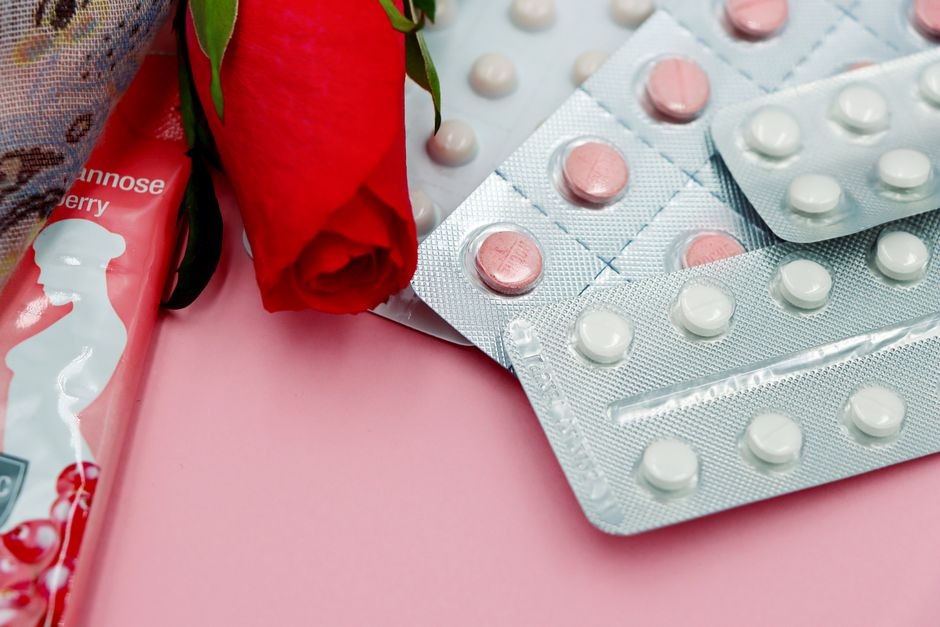
Many women approaching menopause wonder if birth control pills can help with their symptoms. The short answer is yes — hormonal birth control is sometimes prescribed off-label to manage certain menopause symptoms. But it is not a standard treatment for everyone, and it comes with important caveats. Hormonal contraceptives can help with hot flashes, irregular bleeding, and other issues during perimenopause, but they do not treat menopause itself. They mask symptoms while you are still transitioning. Understanding the difference between perimenopause and menopause matters here. Let’s look at what the evidence actually says.
How Does Birth Control Affect Perimenopause Symptoms?
Perimenopause is the years-long transition before menopause. Your ovaries still produce some estrogen but levels fluctuate wildly. This up-and-down pattern causes many common symptoms. Birth control pills deliver a steady dose of hormones. That steady dose can smooth out the roller coaster.
Research shows combination birth control pills (estrogen plus progestin) can reduce hot flashes and night sweats during perimenopause. A study published in Menopause found that women taking low-dose oral contraceptives reported fewer hot flashes compared to those not taking them. The hormones also help regulate unpredictable periods, which is a major complaint during this stage.
But there is a catch. The pill does not fix the underlying hormonal shift. It just adds external hormones on top of your natural fluctuations. Once you stop the pill, your symptoms may return. Some women find their cycles become even more irregular after stopping. This is not a cure — it is symptom management during a specific window of time.
Birth control can also help with other perimenopause issues. Some women report less mood swings and better sleep on the pill. The evidence for mood improvement is mixed though. Some studies suggest the pill helps some women but worsens mood in others. It depends on your individual hormone profile and sensitivity.
Does Birth Control Help with Hot Flashes and Night Sweats?
Hot flashes and night sweats are among the most disruptive menopause symptoms. About 75 percent of women experience them during perimenopause or menopause. Hormonal birth control can reduce their frequency and severity for some women.
The mechanism is straightforward. Hot flashes happen when your brain’s temperature regulation center reacts to dropping estrogen levels. By maintaining a more consistent estrogen level, birth control pills can prevent the dips that trigger hot flashes. Low-dose pills are often used for this purpose, though higher doses may be needed for women with severe symptoms.
However, birth control is not the first-line treatment for hot flashes in most guidelines. The North American Menopause Society recommends hormone therapy (HT) as the most effective treatment for moderate to severe hot flashes. HT uses lower doses of hormones than most birth control pills. For women over 35 or those with certain health risks, HT may be safer than continuing birth control.
| Treatment | Hormone Dose | Primary Use | Risk Profile |
|---|---|---|---|
| Birth control pills | Higher (estrogen 20-35 mcg) | Contraception + symptom management | Higher clot risk, especially over 35 |
| Hormone therapy (HT) | Lower (estrogen 0.3-0.625 mg) | Menopause symptom treatment | Lower clot risk, safer for older women |
| Non-hormonal options | None | Hot flash relief | No hormone-related risks |
The key point: birth control pills contain higher estrogen doses than standard menopause hormone therapy. That higher dose increases your risk of blood clots, especially if you are over 35 or smoke. Many women do not realize they are taking a higher hormone dose than needed just for symptom relief.
What Are the Risks of Using Birth Control During Perimenopause?
The biggest risk is blood clots. Combination birth control pills increase your risk of venous thromboembolism (VTE) — blood clots in the legs or lungs. The risk is small for healthy women under 35 but rises with age. By age 40 to 44, the risk of VTE on the pill is about 1 in 1,000 per year. That is roughly double the baseline risk for women that age not on the pill.
Smoking multiplies this risk dramatically. The CDC warns that women over 35 who smoke should not take combination birth control pills at all. The same warning applies to women with migraines with aura, uncontrolled high blood pressure, or a history of blood clots.
Other risks include:
- Increased risk of breast cancer with long-term use, though the absolute risk is small
- Higher chance of gallbladder disease
- Possible mood changes or depression in some women
- Weight gain, though evidence for this is inconsistent
There is also a less discussed risk: masking the diagnosis of menopause. If you are on birth control pills, you cannot reliably tell when you have reached menopause. The pill causes regular withdrawal bleeds that look like periods. Your doctor cannot check your FSH levels accurately because the pill suppresses them. Many women stay on the pill well into their 50s without knowing they have already gone through menopause. This matters because continuing the pill past menopause exposes you to hormones you may no longer need.





When Should You Stop Birth Control and Switch to Hormone Therapy?
Most guidelines suggest stopping birth control around age 50 to 55. The exact timing depends on your health and risk factors. The goal is to switch from the higher-dose pill to lower-dose hormone therapy if you still need symptom relief.
To make this switch, your doctor may recommend stopping the pill for two to three months. During that break, they can check your FSH levels. An FSH above 30 IU/L on two tests taken one month apart confirms menopause. At that point, you can start lower-dose hormone therapy if needed.
Some women choose to stay on birth control longer for contraception. That is a valid reason to continue. But if you only need symptom management, lower-dose options are safer. The American College of Obstetricians and Gynecologists recommends against using birth control pills solely for menopause symptom management after age 50.
Progestin-only pills or IUDs may be an option for women who cannot take estrogen. These do not help with hot flashes but can manage heavy bleeding. They also carry a lower clot risk than combination pills.
What Are the Non-Hormonal Options for Menopause Symptoms?
Not all women can or want to take hormones. Non-hormonal options exist and work for many women. The FDA has approved two non-hormonal drugs for hot flashes: paroxetine (Brisdelle) and fezolinetant (Veozah). Paroxetine is a low-dose antidepressant. Fezolinetant works directly on the brain’s temperature regulation center. Both reduce hot flash frequency by about 50 to 60 percent in clinical trials.
Other options that some women find helpful include:
- Gabapentin, a seizure medication that reduces hot flashes
- Clonidine, a blood pressure medication
- Cognitive behavioral therapy (CBT) for managing hot flash distress
- Lifestyle changes like avoiding triggers, dressing in layers, and keeping your bedroom cool
The evidence for herbal supplements is weak. Black cohosh is widely claimed to help, but the American College of Obstetricians and Gynecologists states that strong evidence is limited. Soy isoflavones show modest effects in some studies but not others. As of 2026, there is no clinical evidence that any herbal supplement works as well as hormones or FDA-approved non-hormonal drugs.
Vaginal dryness is another common symptom that birth control pills do not address well. Low-dose vaginal estrogen creams, rings, or tablets are far more effective and safer for this specific issue. They deliver estrogen locally without significant absorption into the bloodstream.
Can Birth Control Help with Menopause-Related Acne and Skin Changes?
Many women notice acne returning during perimenopause. This happens because estrogen drops while testosterone remains relatively stable. The imbalance can trigger breakouts. Birth control pills can help here because they suppress ovarian testosterone production.
Combination pills containing drospirenone or norgestimate are particularly effective for acne. The FDA has approved several pills specifically for acne treatment. For perimenopausal women, these pills can clear skin while also managing other symptoms.
But there is a trade-off. The same hormones that clear acne may increase your risk of melasma — dark patches on the face. Sun exposure makes melasma worse, and it can be difficult to treat. Some women also report that their skin becomes more sensitive or dry on the pill.
If acne is your main concern, topical treatments like retinoids or benzoyl peroxide may be safer options. They avoid the systemic risks of birth control pills. A dermatologist can help you weigh the options based on your skin type and overall health.
Frequently Asked Questions
Does birth control help with menopause hot flashes?
Yes, birth control pills can reduce hot flashes by providing steady estrogen levels. But lower-dose hormone therapy is usually preferred for women over 35.
Can I take birth control during perimenopause?
Yes, many women take birth control during perimenopause for symptom management and contraception. You should discuss your individual risks with your doctor first.
Will birth control delay menopause?
No, birth control does not delay menopause. It can mask the signs of menopause, making it harder to know when you have reached it.
What is the best birth control for perimenopause symptoms?
Low-dose combination pills are most commonly used. Progestin-only options may work for women who cannot take estrogen. Your doctor can help choose based on your health profile.
