
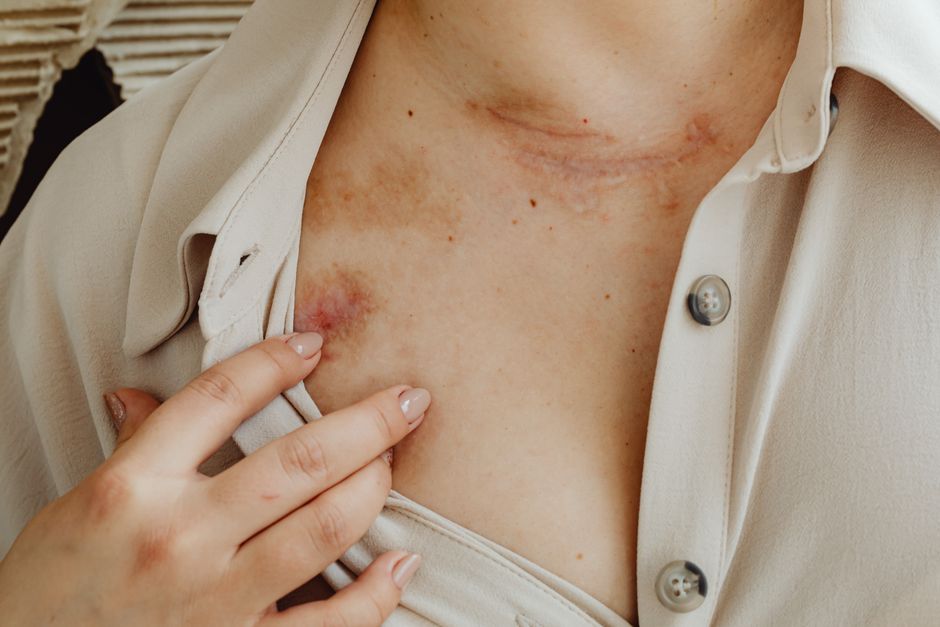
Facelift scars are a normal part of the healing process, but you do not have to let them define your look while they mature. The most effective way to hide them combines strategic makeup application, clever hairstyling, and a strict sun protection routine. Makeup with full coverage and a matte finish hides redness best, while hairstyles that frame the face and fall forward naturally conceal incisions along the hairline and ears.
How Long Do Facelift Scars Stay Visible?
Facelift incisions are usually placed along the hairline, in front of the ear, and around the earlobe. These areas are chosen so scars blend into natural skin creases and hair growth. Even with the best surgical technique, a scar takes time to mature.
For the first three months, the scar will look pink or red and may feel firm or raised. This is normal. Over the next six to twelve months, the scar gradually flattens and fades to a lighter color. Most scars reach their final appearance about one year after surgery. You will need to adapt your camouflage techniques as the scar changes during this period.
What Is the Best Makeup for Facelift Scars?
Color correction followed by full-coverage concealer is the most reliable method. Red or pink scars need a green color corrector first. Green neutralizes redness on the color wheel. Once the corrector is blended, apply a concealer that matches your skin tone exactly.
Look for concealers labeled “full coverage” or “high coverage.” Cream formulations generally provide more coverage than liquids. They also stay in place longer on the delicate skin near the ears. Avoid shimmer or dewy finishes. These reflect light and draw attention to texture. A matte finish absorbs light and makes the scar less noticeable.
Set the concealer with a translucent powder. Press the powder into the skin with a small sponge rather than sweeping it on. This locks the makeup in place and prevents it from rubbing off on clothing or hair throughout the day.
Step-by-Step Makeup Application
- Cleanse the area gently and pat dry. Never rub a healing scar.
- Apply a thin layer of green color corrector only to the red areas.
- Dab full-coverage concealer over the corrector using a small brush or your fingertip.
- Blend the edges carefully. Do not blend the center of the coverage away.
- Set with translucent powder using light pressing motions.
How To Hide Facelift Scars Makeup Hair More
Hair is your most powerful tool for hiding incisions near the hairline. The key is to choose a style that lets hair fall forward naturally without pulling on the healing skin. Avoid tight ponytails, slicked-back buns, or heavy styling products that stretch the scalp.
Side-swept bangs are highly effective. They cover the temporal hairline where the facelift incision often begins. If your incision is behind the ear, longer layers that graze the jawline can conceal that area. Soft waves and curls also help because they break up the straight line of a scar. Straight, flat hair tends to part and reveal the skin beneath.
Hair accessories such as wide headbands, scarves, or clips can also cover incisions at the hairline. Choose styles that do not press firmly against the scar itself. Pressure on a healing wound can cause irritation or widen the scar.





Can You Wear Makeup After a Facelift?
You cannot wear makeup immediately after surgery. The incisions are closed with sutures or surgical glue, and the skin needs time to seal. Applying makeup too early increases the risk of infection and can introduce bacteria into the wound.
Most surgeons advise waiting until the sutures are removed and the skin has fully closed. This typically takes seven to fourteen days. You must follow your surgeon’s specific instructions because every procedure is different. Some surgeons recommend waiting longer if the healing is slow or if there are any signs of infection.
Once you receive clearance, introduce makeup gradually. Start with a small patch test behind the ear to check for sensitivity. The skin after a facelift is often numb and may react differently to products than it did before.
What Else Helps Conceal Facelift Scars?
Makeup and hair are not the only options. Several other strategies can reduce the visibility of scars while they heal.
Sun protection is essential. Sun exposure darkens scars and makes them more noticeable permanently. Use a broad-spectrum sunscreen with SPF 30 or higher on the scar area every day, even when it is cloudy. A wide-brimmed hat offers additional protection when you are outdoors.
Silicone sheets or gels are widely used to flatten and fade scars. These products create a protective barrier over the scar and help regulate moisture. Some research supports their use for improving scar appearance, though results vary. Many surgeons recommend starting silicone treatment once the skin has fully closed.
Scar massage can help break up tight tissue and improve the scar’s texture. Gentle massage in circular motions for a few minutes daily may soften the scar over time. Only do this after your surgeon confirms the wound is fully healed.
What If Makeup Irritates the Scar?
Redness, itching, or a burning sensation after applying makeup is a warning sign. Stop using the product immediately. The skin around a healing scar is fragile and more reactive than normal skin. Some ingredients in cosmetics, such as fragrances or preservatives, can trigger irritation.
Choose makeup labeled “hypoallergenic” or “for sensitive skin.” Mineral makeup is another option because it contains fewer ingredients and is less likely to clog pores or irritate. Always check the ingredient list for alcohol, which can dry out healing skin and make the scar look worse.
If irritation persists after switching products, contact your surgeon. Persistent redness or discharge could indicate an infection or an allergic reaction that needs medical attention.
When Should You Consider Additional Scar Treatment?
Some scars remain visible even with excellent makeup and hair techniques. If the scar is still prominent after six to twelve months, you may want to discuss additional options with a dermatologist or your surgeon.
Laser therapy can reduce redness and improve texture in some scars. Steroid injections are sometimes used for raised scars. These treatments have shown benefit in clinical practice, but results vary from person to person. No treatment can remove a scar completely. The goal is to make it less noticeable, not to erase it.
Be cautious about over-the-counter scar creams that promise dramatic results. No topical cream has been proven to eliminate scars entirely. Some products may improve hydration and texture slightly, but they cannot change the underlying collagen structure of a mature scar.
Frequently Asked Questions
How soon after a facelift can I wear makeup?
Most surgeons recommend waiting seven to fourteen days until sutures are removed and the skin has fully closed. Always follow your surgeon’s specific instructions because healing times vary.
What color concealer hides a red scar?
Green color corrector neutralizes redness, and then a full-coverage concealer matched to your skin tone goes on top. This two-step method is the standard approach for camouflaging red scars.
Will hair grow back over facelift scars?
Hair often grows back through the incision line, but some thinning or loss can occur in the area. Your surgeon typically places incisions within the hairline to maximize the chance that surrounding hair will cover the scar.
Does sunscreen really make a difference for scars?
Yes. Sun exposure can permanently darken a healing scar and make it more visible. Daily use of SPF 30 or higher on the scar area is one of the most effective ways to improve the final appearance.
