
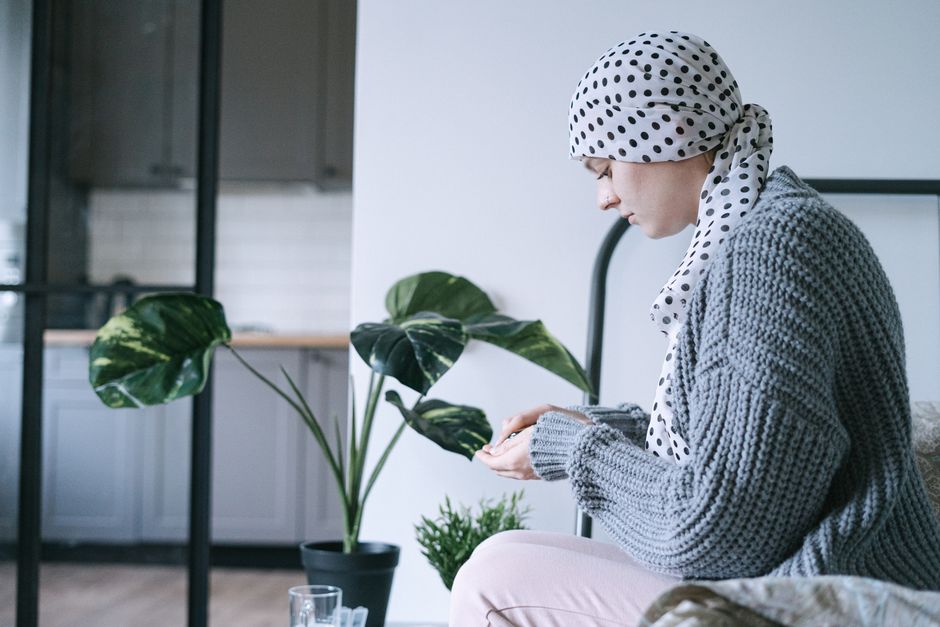
Chemotherapy-induced hair loss typically begins 14 to 21 days after your first treatment. For most people, the first signs appear around day 14, with significant shedding occurring between days 17 and 21. The timeline varies by the specific drugs used and your individual sensitivity, but this two-to-three-week window is what clinical experience consistently shows. Hair loss usually continues throughout the treatment period and for a few weeks after the final session.
What Causes Hair Loss During Chemotherapy?
Chemotherapy drugs target rapidly dividing cells throughout your body. Cancer cells divide quickly, which is why chemo attacks them. But your hair follicles also contain rapidly dividing cells. The drugs cannot tell the difference.
When chemo damages the hair follicle cells, the hair shaft weakens and breaks off. This happens at the root level. The hair does not fall out from the tip — it breaks at or near the scalp surface. The medical term for this is anagen effluvium. It is different from male pattern baldness or other forms of hair loss.
Not all chemotherapy drugs cause hair loss. The drugs most likely to cause significant shedding include taxanes like paclitaxel and docetaxel, anthracyclines like doxorubicin, and alkylating agents like cyclophosphamide. Your oncologist can tell you whether your specific regimen carries a high risk.
How Long After Chemo Do You Lose Your Hair Timeline by Drug Type
| Drug Class | Examples | Typical Hair Loss Onset | Severity |
|---|---|---|---|
| Taxanes | Paclitaxel, Docetaxel | 14-17 days | Complete loss common |
| Anthracyclines | Doxorubicin, Epirubicin | 14-18 days | Complete loss common |
| Alkylating agents | Cyclophosphamide, Ifosfamide | 17-21 days | Thinning to complete loss |
| Antimetabolites | 5-Fluorouracil, Methotrexate | 14-21 days | Moderate thinning |
| Platinum-based | Cisplatin, Carboplatin | 14-21 days | Thinning to partial loss |
This table reflects typical clinical observations. Individual responses vary. Some people on taxanes lose hair by day 12. Others on the same drugs may not see shedding until day 21. The type of regimen matters more than your age or gender.
Does Cold Cap Therapy Change the Timeline?
Scalp cooling, often called cold cap therapy, can reduce hair loss for some patients. The caps lower scalp temperature during chemo infusion, which constricts blood vessels and reduces how much drug reaches the hair follicles. The FDA has cleared several cooling cap systems for this purpose.
Research published in the Journal of the American Medical Association found that about 50 percent of people using scalp cooling retained enough hair to avoid wearing a wig. But cold caps do not prevent all shedding. People who use them often still lose some hair, and the timeline can shift. Shedding may start later — around day 21 instead of day 14 — and may be less dramatic overall.
Cold cap therapy works best for solid tumors like breast or ovarian cancer. It is less effective for blood cancers like leukemia where chemo doses are higher. The caps are also not suitable for everyone. People with cold sensitivity, certain blood disorders, or liver metastases may not be candidates. Ask your oncology team before pursuing this option.





What Does the Shedding Process Actually Look Like?
The first sign is usually hair on your pillow in the morning or in the shower drain. Many people notice more hair than usual when running their hands through their scalp. This starts gradually around day 14 and accelerates over the next week.
By day 21, most people experience significant shedding. The hair often comes out in clumps rather than individual strands. This can be alarming, but it is normal. The hair is breaking at the follicle, not being pulled out by the root.
Eyebrows and eyelashes usually fall out later, typically 3 to 4 weeks after the first treatment. Body hair may also thin or disappear. The order of loss varies. Some people lose scalp hair first, then eyebrows. Others lose body hair before facial hair. There is no single correct sequence.
Hair loss continues throughout active treatment. If you have chemo every three weeks, you may notice cycles of shedding followed by brief plateaus. The hair does not regrow between cycles for most people. It continues thinning until treatment ends.
When Does Hair Start Growing Back After Chemo Ends?
Hair regrowth usually begins 3 to 4 weeks after your last chemotherapy session. This is a general timeline. Some people see tiny stubble within two weeks. Others wait six weeks or longer before noticing any change.
The first regrowth often looks different from your original hair. It may come in a different color — sometimes lighter, sometimes darker. The texture may change too. Many people report curly regrowth even if they had straight hair before. This is temporary. Hair typically returns to its original texture within one to two years.
The American Cancer Society notes that full regrowth takes 3 to 6 months for most people. By six months after chemo ends, many people have enough hair to stop wearing wigs or scarves. By one year, hair length and density are usually close to pretreatment levels.
Some people experience permanent changes. If you had thin hair before cancer, it may not return to its previous thickness. Certain drugs, particularly high-dose busulfan or cyclophosphamide used in bone marrow transplant conditioning, can cause lasting hair thinning. This is uncommon but worth knowing about if your regimen includes these drugs.
What Can You Actually Do About Chemo Hair Loss?
There is no proven way to prevent chemotherapy hair loss entirely. Scalp cooling is the only intervention with clinical evidence supporting hair preservation. The American Society of Clinical Oncology recommends discussing scalp cooling with your doctor if you are a candidate.
Minoxidil, the active ingredient in Rogaine, does not prevent chemo hair loss. Some studies suggest it may speed regrowth after treatment ends, but the evidence is not strong. Do not start minoxidil during active chemo without asking your oncologist first.
What helps many people is preparing before hair loss starts. Consider cutting your hair short before chemo begins. Short hair makes the transition less dramatic. Some people choose to shave their head once shedding starts. This gives you control over the timing rather than waiting for hair to fall out on its own.
Soft cotton caps or silk pillowcases can reduce friction on your scalp. Avoid harsh shampoos, hot styling tools, and chemical treatments during active treatment. Your scalp may be sensitive. Sunscreen or a hat is important because a bald scalp burns easily.
Support groups and counseling can help with the emotional side. Hair loss is a visible reminder of illness. Many people find it harder than they expected. That is normal. Talking to others who have been through it can make a real difference.
Common Misconceptions About Chemo Hair Loss
One widespread myth is that everyone loses all their hair. This is not true. Some chemotherapy drugs cause minimal thinning. Others cause no hair loss at all. Your oncologist can tell you what to expect based on your specific drugs and doses.
Another misconception is that hair loss means the chemo is working. There is no connection between hair loss and treatment effectiveness. The drugs attack fast-dividing cells, but cancer cells and hair cells are different. Losing hair does not mean the cancer is responding. Not losing hair does not mean the treatment is failing.
Some people believe that shaving your head early makes hair grow back thicker. This is false. Shaving has no effect on regrowth rate or density. It only changes the appearance of existing hair by making the blunt ends more visible.
A final myth is that vitamins or supplements can prevent hair loss during chemo. The American Institute for Cancer Research warns against taking high-dose antioxidants during chemotherapy. They may interfere with treatment. Stick to a normal diet unless your oncology team recommends something specific.
Frequently Asked Questions
Does everyone lose hair on chemo?
No. Hair loss depends on the specific drugs and doses used. Some regimens cause complete loss, others cause thinning, and some cause no loss at all.
Can I prevent chemo hair loss entirely?
No method reliably prevents all hair loss. Scalp cooling is the only intervention with clinical evidence showing it reduces shedding for some patients.
Will my hair grow back the same as before?
Hair often returns within 3 to 6 months after chemo ends. Texture and color may be different initially but usually normalize within one to two years.
When should I shave my head during chemo?
Many people shave once shedding becomes noticeable, typically around day 17 to 21. There is no medical reason to shave earlier or later — it is a personal choice.
