
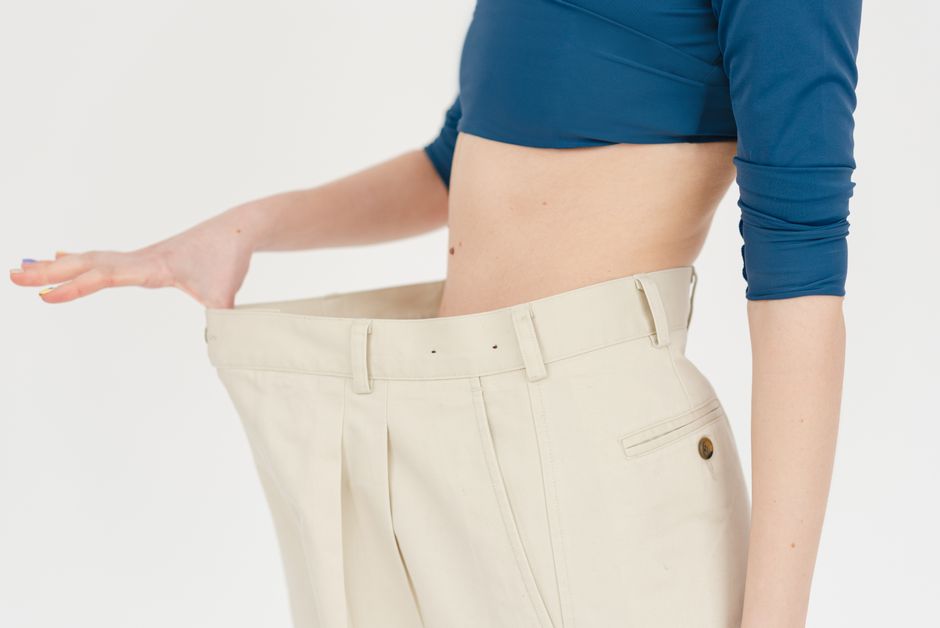
You cannot spot-reduce belly fat. No exercise, food, or garment can force your body to burn fat from your midsection alone. What you can do is change how your clothes fit, improve your posture, reduce bloating, and build habits that gradually lower overall body fat. That is the honest path, and it works better than any compression garment you peel off at night.
Most people searching for this want two things: to look better in clothes right now, and to make real progress over time. Those are different goals with different timelines. This guide separates them clearly so you know what to expect from each.
Why Does Belly Fat Show More on Some People?
Where your body stores fat is largely genetic. Hormones, age, and sex all influence whether fat accumulates around your waist, hips, or thighs.
Men tend to store more visceral fat, the kind packed around internal organs. Women often carry more subcutaneous fat just under the skin. After menopause, women frequently shift toward a more abdominal pattern. This is normal physiology, not a personal failing.
Visceral fat sits behind the abdominal muscle wall. Subcutaneous fat sits on top of it. Both can make the belly look larger, but they respond differently to lifestyle changes. Visceral fat tends to respond better to overall fat loss than subcutaneous fat does.
One non-obvious point: a distended belly is not always fat. Bloating, constipation, poor posture, and a weak core can all push the abdomen outward. Fixing those can change your silhouette without losing a single pound of fat.
How Can You Hide Belly Fat Without Shapewear?
Clothing strategy is the fastest lever you have. It works today, costs nothing extra if you already own the right pieces, and requires no physical change.
The core principle is simple: create vertical lines and avoid horizontal ones across your midsection. Here is what that looks like in practice.
- High-waisted bottoms. Pants and skirts that sit at or above your natural waist smooth the transition between torso and hips. Low-rise styles cut across the widest part of your belly.
- Structured fabrics. Stiff cotton, denim, and wool hold their shape. Thin jersey clings to every curve.
- Dark, solid colors. They absorb light and reduce the appearance of shadows and contours. This is a visual effect, not a physical one.
- V-necks and open collars. They draw the eye upward and away from the midsection.
- Wrap tops and empire waists. They create a diagonal line across the torso that breaks up the horizontal plane of the belly.
- Proper fit at the shoulders. If a top fits your shoulders, the fabric drapes rather than pulls across your middle.
Avoid clingy knits, horizontal stripes across the waist, and belts that cut the body in half at the widest point. These are not rules about hiding. They are visual principles about where the eye travels.
Can Posture Make Your Belly Look Smaller?
Yes, and the effect can be noticeable. Poor posture rounds the shoulders and tilts the pelvis, which pushes the abdomen forward. Standing tall pulls it back.
The mechanism is mechanical. When your pelvis tilts forward, your lower back arches and your belly protrudes. When your shoulders round forward, your chest collapses and your midsection appears larger than it is.
Try this: stand against a wall with your heels, glutes, upper back, and head touching. That is roughly neutral posture. Most people cannot hold it for more than a minute at first because the muscles that support it are weak.
Building those muscles takes time. But even a conscious effort to pull your shoulders back and tuck your pelvis slightly can change your profile immediately. It is not a permanent fix. It is a free one.




Does Bloating Make Your Belly Look Bigger?
Often, yes. Bloating can add visible inches to your waist within hours. It is temporary, but it is real and it responds to specific changes.
Common triggers include carbonated drinks, high-sodium meals, certain carbohydrates, and eating quickly. Constipation is another major factor that is frequently overlooked. If you are not having regular bowel movements, your abdomen will look and feel larger regardless of your body fat.
Some people find that reducing sodium and processed foods helps. Others notice improvement by eating slower and chewing more thoroughly. Some research suggests that certain fermentable carbohydrates can cause bloating in people with sensitive digestion, though responses vary widely between individuals.
If bloating is persistent, painful, or accompanied by other symptoms, see a doctor. Persistent bloating can have causes that have nothing to do with diet.
What Actually Reduces Belly Fat Over Time?
Overall fat loss is the only thing that reliably reduces belly fat. You cannot target the midsection, but you can lower total body fat, and your belly will shrink as part of that process.
The fundamentals are not exciting, but they are well established.
- A modest calorie deficit. Eating slightly less than you burn over time leads to fat loss. Aggressive restriction tends to backfire.
- Adequate protein. Protein helps preserve muscle during weight loss. Muscle supports your metabolism and your posture.
- Strength training. Building muscle across your body changes your shape even when the scale does not move much.
- Sleep. Short sleep is associated with higher abdominal fat in observational studies. The relationship is consistent, though the exact mechanisms are still being studied.
- Stress management. Chronic stress is linked to abdominal fat storage in research, though the strength of this effect varies between studies.
Core exercises like planks and dead bugs strengthen the muscles that hold your abdomen in. They do not burn fat from your belly. That distinction matters because it is the source of endless confusion.
Do Waist Trainers and Corsets Work?
No. Waist trainers do not reduce fat. They compress tissue while worn and the effect ends when you take them off.
Some people wear them during exercise believing they increase sweat and therefore fat loss. Sweat is water loss, not fat loss. Any weight lost this way returns when you rehydrate.
There are also safety concerns. Prolonged compression can restrict breathing, press on internal organs, and weaken the core muscles that do the real work of supporting your midsection. Some clinicians have raised concerns about rib compression and digestive issues with extended use. The evidence here is not extensive, but the absence of benefit is clear.
This is not the same as shapewear, which is a clothing choice, not a fitness tool. Shapewear changes appearance while worn. It does not change your body. That is fine as long as you know the difference.
What About Diet and Exercise Claims for Belly Fat?
Many products claim to target belly fat specifically. None have been shown to do so. Fat loss does not work that way.
Spot reduction through exercise has been studied for decades. The consistent finding is that exercising a specific area does not preferentially burn fat from that area. Your body draws energy from fat stores throughout your body, not from the muscle you happen to be working.
Similarly, no food or supplement has been shown to selectively reduce abdominal fat. Green tea, apple cider vinegar, and similar products have been studied, but the evidence for meaningful belly fat reduction is weak or absent. Some show small effects in small studies that have not been reliably replicated.
The honest position is that overall fat loss through sustainable habits is the only approach with consistent evidence behind it. Everything else is either marketing, temporary, or both.
How Long Does It Take to See a Difference?
Clothing and posture changes work immediately. Fat loss takes weeks to months to become visible, depending on how much you have to lose and how consistently you apply the fundamentals.
Most people notice changes in how clothes fit before they notice changes in the mirror. That is normal. The mirror is a poor measuring tool because you see yourself every day and small changes are invisible in real time.
A tape measure and how your clothes fit are more reliable indicators than the scale, which can fluctuate several pounds in a day due to water, food, and hormones.
There is no timeline that applies to everyone. Some people lose fat faster than others for reasons that include genetics, starting point, and adherence. Promises of specific results in specific timeframes are not supported by evidence.
Frequently Asked Questions
Can you lose belly fat without losing weight?
It is possible to change your body composition, gaining muscle while losing fat, without the scale moving much. However, visible belly fat reduction almost always requires some overall fat loss.
Do abdominal exercises burn belly fat?
No. Abdominal exercises strengthen the core muscles but do not preferentially burn fat from the belly. Fat loss happens throughout the body when you are in a calorie deficit.
What is the fastest way to hide belly fat without shapewear?
High-waisted clothing in structured fabrics with vertical lines gives the most immediate visual change. Posture correction and reducing bloating can add to that effect within days.
Are waist trainers safe to wear all day?
Prolonged use can restrict breathing and may weaken core muscles over time. No evidence supports waist trainers for fat loss, and extended wear carries potential risks.
