
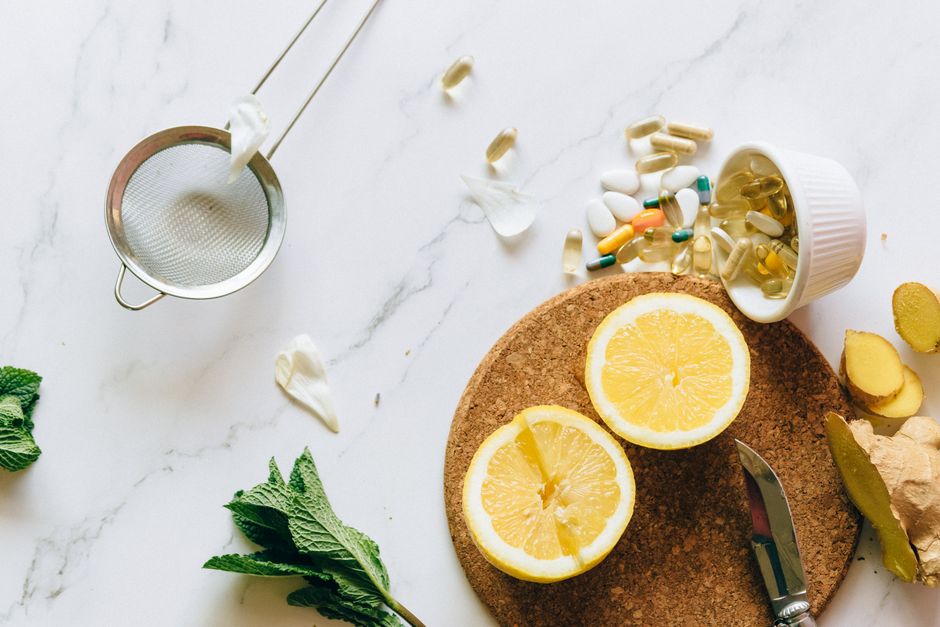
Premenstrual syndrome, or PMS, is a cluster of physical and emotional symptoms that show up in the days before a period and fade once bleeding starts. Diet and a few specific supplements have the strongest evidence behind them for easing symptoms. Calcium, vitamin B6, and regular meals that steady blood sugar are reasonable places to start. No single food or pill erases PMS, and anyone with severe symptoms should talk to a clinician.
What Actually Causes PMS Symptoms?
PMS is not “all in your head,” and it is not simply a hormone imbalance you can fix by eating differently. The current understanding is that PMS symptoms come from how your brain and body respond to normal hormonal shifts after ovulation, not from abnormal hormone levels themselves.
After you ovulate, levels of progesterone rise and then fall. Estrogen does something similar. Most people ride these shifts without much trouble. In PMS, the thinking is that the brain’s handling of these changes — particularly around a chemical called serotonin and the way the nervous system responds — produces the symptoms. This is why two people with identical hormone cycles can feel completely different.
That matters for treatment. If the problem is not a deficiency of a vitamin or a hormone, no single nutrient will “correct” it. What diet and supplements can do is reduce the intensity of symptoms, support steady energy and mood, and remove things that make symptoms worse.
Which Foods and Eating Habits Help PMS Symptoms?
Eating on a steady schedule and keeping blood sugar stable is one of the most practical steps for PMS. Blood sugar swings can worsen irritability, fatigue, and cravings — three of the most common complaints in the days before a period.
Here is what the evidence and general clinical guidance support:
- Eat regular meals and snacks. Skipping meals tends to make mood and energy worse, not better.
- Choose complex carbohydrates. Whole grains, beans, and vegetables digest slowly and help avoid sharp blood sugar drops.
- Include protein at each meal. It slows digestion and helps you feel steady rather than crashing.
- Limit added sugar and refined carbs. They spike blood sugar, and the drop afterward can feel a lot like PMS irritability.
- Watch salt. High-sodium meals can worsen bloating and breast tenderness, which are common physical PMS symptoms.
- Limit caffeine and alcohol. Both can disrupt sleep and mood, and alcohol can worsen breast tenderness for some people.
None of this is exotic. It is close to standard advice for steady energy, which is part of why it tends to help — PMS symptoms often overlap with how you feel when blood sugar, sleep, and hydration are off.
Which Supplements Have Real Evidence for PMS?
A small number of supplements have meaningful research behind them for PMS. Most supplements marketed for PMS do not. Here is an honest breakdown.
Calcium. This is one of the better-studied options. Some clinical trials have found that calcium supplementation reduced PMS symptoms compared with placebo. The typical amount studied is in the range of 1,000 to 1,200 mg per day, often split into two doses, which aligns with general calcium intake guidance. Food sources include dairy, fortified plant milks, and leafy greens.
Vitamin B6. Some studies suggest B6 can help with mood-related PMS symptoms. The evidence is not as strong as for calcium, and high doses are not safe. Very high long-term B6 intake can cause nerve damage. Doses used in research have generally stayed in the range of about 50 to 100 mg per day, and it is worth confirming a safe dose with a clinician rather than guessing.
Magnesium. Magnesium is often recommended for PMS, especially for cramps and mood. The evidence is more limited than the popularity suggests. Some studies show benefit; others do not. It is generally well tolerated at typical supplemental doses, though high doses can cause digestive upset.
Chasteberry (Vitex agnus-castus). This herb has some research suggesting it may reduce PMS symptoms. It can affect hormones and is not appropriate during pregnancy or while trying to conceive. It can also interact with hormonal medications. Anyone considering it should check with a clinician first.
Be skeptical of products that promise to “balance hormones.” No supplement does that in a proven way for PMS. If a label makes that claim, it is marketing, not medicine.


How Do Diet and Supplements Compare to Other PMS Approaches?
Diet and supplements are one layer of a larger picture. For mild PMS, they may be enough. For moderate to severe symptoms, they are usually not.
Other approaches with reasonable evidence include regular aerobic exercise, which some studies show reduces PMS symptom severity, and stress-reduction practices like sleep hygiene and relaxation training. For people whose symptoms are severe enough to disrupt work, relationships, or daily life, a condition called premenstrual dysphoric disorder (PMDD) may be at play. PMDD is a distinct diagnosis with its own treatment approaches, and it is not something diet alone typically resolves.
If symptoms are severe, the honest position is that diet and supplements are supportive, not sufficient. A clinician can assess whether PMDD or another condition is involved and discuss options that have stronger evidence for severe cases.
Tracking Symptoms Makes Everything Easier
You cannot tell whether something is working if you do not know what you started with. Tracking symptoms for two to three cycles gives you a baseline and a way to see patterns.
Note what you feel and when. Symptoms that appear in the week before your period and resolve once it starts point toward PMS. Symptoms that occur all month, or that do not follow a cycle, often point to something else — and that is useful information to bring to a clinician.
A simple daily log with a few ratings — mood, energy, cramps, bloating, sleep — is enough. Apps work, but a notebook works just as well.
What to Be Careful About
Supplements are not regulated the way medications are in the United States. What is on the label is not always what is in the bottle. Third-party testing seals can help, but they are not a guarantee of effectiveness.
A few specific cautions:
- High-dose vitamin B6 over long periods can cause nerve damage. Do not take large doses without guidance.
- Chasteberry is not safe during pregnancy and can interact with hormonal medications.
- Calcium supplements can interact with some medications, including certain antibiotics and thyroid medications. Timing matters.
- Anyone taking prescription medication, pregnant, breastfeeding, or managing a chronic condition should check with a clinician before starting any supplement.
No clinical guidelines currently exist for supplement dosing specifically for pregnant or breastfeeding people with PMS, and PMS itself is generally not assessed during pregnancy. If you are pregnant or breastfeeding and having symptoms, that is a conversation for your clinician, not a supplement aisle.
Putting It Together: A Reasonable Starting Point
If you want to address PMS through diet and supplements, the sequence that makes sense is: steady meals, less added sugar and salt, less caffeine and alcohol, regular exercise, then consider calcium or B6 with a clinician’s input. Give any change two to three cycles before judging it, because PMS symptoms vary month to month and short trials tell you very little.
If nothing helps, or if symptoms are severe, that is not a failure of effort. It is a signal to get evaluated. PMDD and other conditions are real, treatable, and worth naming.
Frequently Asked Questions
Does diet really help PMS symptoms?
Yes, for many people. Steady meals, less added sugar and salt, and less caffeine and alcohol can reduce irritability, bloating, and cravings, though diet alone rarely eliminates severe symptoms.
What is the best supplement for PMS?
Calcium has the strongest evidence, with some trials showing reduced symptoms at around 1,000 to 1,200 mg per day. Vitamin B6 and magnesium have some supporting evidence, but it is weaker.
How long does it take for diet changes to help PMS?
Give any change at least two to three full cycles before judging it. PMS symptoms vary month to month, so a single cycle is not enough to tell whether something is working.
When should I see a doctor about PMS?
See a clinician if symptoms disrupt work, relationships, or daily life, or if they do not follow a clear premenstrual pattern. Severe cases may involve PMDD, which has its own treatment approaches.
