
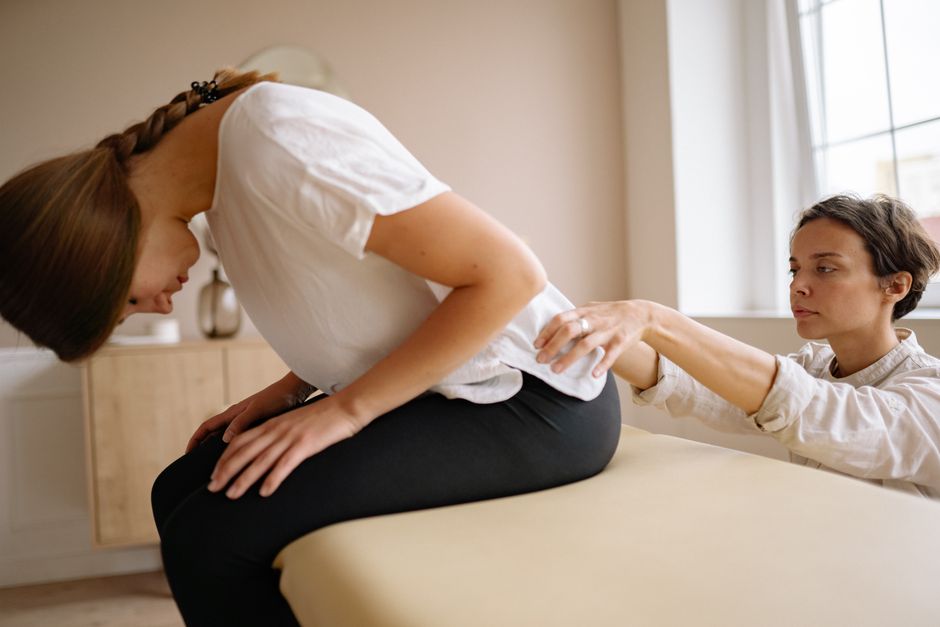
Most lower back pain gets better on its own, and the things that help most are not sold in a bottle. Staying gently active, avoiding bed rest, and building strength in your hips and core do more for most people than any supplement or gadget. Heat, targeted stretching, and better sleep habits can ease the pain while your back recovers.
That answer surprises people who expect a single fix. Lower back pain is not one condition. It is a symptom with many causes, and the right approach depends on what is driving yours. Below are the strategies with real evidence behind them, plus an honest look at the ones that get more credit than they deserve.
Why Does Lower Back Pain Happen in the First Place?
Most cases have no single identifiable cause. That is not a dodge. It is what the research shows.
The structures in your lower back work as a system. Vertebrae stack like blocks. Between them sit discs that act as cushions. Muscles and ligaments hold everything in line. Nerves thread through small openings and travel down your legs. When any part of this system gets irritated, strained, or compressed, you feel it in your back.
In many cases, imaging finds nothing clearly wrong. A 2015 review in the New England Journal of Medicine noted that disc degeneration, bulging discs, and joint arthritis show up on MRI scans in people with no back pain at all. That matters. It means a scan finding does not always explain your pain, and treating the image instead of the person can lead to unnecessary procedures.
Some causes are specific and serious. A herniated disc can press on a nerve and send pain down one leg. Spinal stenosis narrows the canal that holds the spinal cord. Fractures, infections, and tumors are rare but real. These need medical evaluation, not home remedies.
Red flags that mean see a doctor right away include loss of bladder or bowel control, numbness in the groin area, progressive weakness in your legs, fever with back pain, unexplained weight loss, or pain that started after a fall or accident. These are uncommon. When they appear, they change everything.
What Actually Helps Lower Back Pain Naturally?
Movement is the single most reliable answer. Bed rest beyond a day or two makes most back pain worse, not better.
This runs against instinct. When your back hurts, lying down feels safer. But prolonged rest weakens the muscles that support your spine and stiffens the joints. Clinical guidelines for acute low back pain consistently recommend staying active and returning to normal activity as tolerated.
What “staying active” means depends on your situation. For a mild strain, it might mean a short walk. For a flare-up, it might mean moving between positions and doing gentle range-of-motion exercises. The goal is to keep blood flowing and muscles working without provoking sharp pain.
Heat is another well-supported option. Heat packs relax muscle tension and increase blood flow to the area. Some studies suggest heat wraps can reduce pain and improve function for short periods. Cold packs can help in the first day or two after an injury by reducing swelling. After that, most people find heat more soothing.
Sleep position matters more than most people realize. Sleeping on your side with a pillow between your knees keeps your spine neutral. On your back, a pillow under your knees does the same. These adjustments reduce strain on your lower back overnight.
Which Exercises Help Lower Back Pain Most?
No single exercise is best for everyone. The exercises that help are the ones you can do consistently without making pain worse.
Research supports exercise as a treatment for chronic low back pain, but the evidence does not point to one superior program. Walking, swimming, yoga, Pilates, and general strength training have all shown benefit in studies. The common thread is regular movement, not the specific method.
For most people, a program that builds core stability and hip strength is a reasonable starting point. Your core muscles wrap around your spine and help control movement. Your hip muscles take load off your lower back. When these are weak, your spine absorbs more stress.
Exercises often recommended by physical therapists include:
- Pelvic tilts to gently mobilize the lower spine
- Bird-dog to build core stability without loading the spine heavily
- Glute bridges to strengthen hips and buttocks
- Dead bugs for deep core control
- Partial crunches or planks once pain allows
Start slow. A few repetitions done well beat many done poorly. If an exercise increases pain that travels down your leg, stop and get it checked.
Stretching has a role too, but it is often oversold. Tight hamstrings and hip flexors can pull on your pelvis and change how your back moves. Gentle stretching of these areas may help some people. But stretching alone rarely fixes chronic back pain. Strength and movement matter more.





Does Weight Loss Help Lower Back Pain?
Extra body weight increases load on your spine. Losing weight can reduce that load. But the relationship is not as simple as it sounds.
Carrying excess weight, especially around the belly, shifts your center of gravity forward. Your lower back muscles work harder to keep you upright. Over time, this can contribute to strain and discomfort. Some studies suggest that people with obesity report more low back pain than those at a healthy weight.
What the evidence does not show is that weight loss alone resolves back pain. Studies on weight loss and back pain have produced mixed results. Some people improve. Others do not. Weight is one factor among many, and it is not always the main one.
If you carry extra weight and have back pain, losing some may help. But the goal should be gradual, sustainable change, not a crash diet. Rapid weight loss can weaken muscles and leave you more vulnerable. Focus on whole foods, regular movement, and enough protein to preserve muscle.
Do Supplements Help Lower Back Pain?
Most supplements marketed for back pain have weak or absent evidence. That is the honest position.
Some products contain ingredients with plausible mechanisms. Turmeric, for example, contains curcumin, which has anti-inflammatory properties in laboratory studies. But laboratory findings do not always translate to real relief in people. Clinical trials on curcumin for back pain are limited and often small.
Other common ingredients include glucosamine, chondroitin, MSM, and various herbal blends. Reviews of these supplements have generally found little to no benefit for back pain compared with placebo. A few people report improvement, but placebo effects are strong in pain research, and it is hard to separate real benefit from expectation.
Vitamin D deserves a mention. Low vitamin D levels are common in people with chronic pain, and some studies have found an association. Whether correcting a deficiency reduces back pain is less clear. If you are deficient, your doctor may recommend supplementation for bone health. Do not expect it to be a pain cure.
If you want to try a supplement, talk to your doctor first. Some interact with medications or have side effects. And be skeptical of any product that promises to “cure” back pain. No supplement has been shown to do that.
What About Stress, Sleep, and Mind-Body Approaches?
Stress and poor sleep make back pain worse. This is well documented, and it works in both directions.
When you are stressed, your muscles tense. Chronic tension in the back and shoulders can trigger or worsen pain. Stress also lowers your pain threshold, meaning the same physical signal feels more intense. Poor sleep does something similar. Sleep is when your body repairs tissue and regulates pain-processing chemicals. Shortchange it, and pain often feels sharper.
Mind-body practices can help break this cycle. Research on mindfulness-based stress reduction and cognitive behavioral therapy shows benefit for chronic low back pain. These approaches do not fix a structural problem. They change how your brain processes pain and how you respond to it. For some people, that makes a real difference.
Yoga and tai chi combine movement, breathing, and relaxation. Studies suggest they can reduce pain and improve function in people with chronic low back pain. They are not cures, but they are low-risk and worth trying if they appeal to you.
Sleep hygiene matters too. Keep a consistent bedtime. Limit screens before bed. Keep your room cool and dark. If pain wakes you at night, talk to your doctor about whether your sleep position or mattress needs adjusting.
When Should You See a Doctor for Lower Back Pain?
See a doctor if your pain lasts more than a few weeks, keeps getting worse, or interferes with daily life. Most acute back pain improves within four to six weeks. If yours is not following that pattern, it is worth evaluating.
Also seek care if you notice any of the red flags mentioned earlier: loss of bladder or bowel control, groin numbness, progressive leg weakness, fever, unexplained weight loss, or pain after trauma. These suggest something more than a simple strain.
For chronic pain, a physical therapist can design a program tailored to your body. Some people benefit from seeing a pain specialist or trying approaches like acupuncture, massage, or spinal injections. The evidence for these varies. Acupuncture and massage have modest support for short-term relief. Injections help some people and not others. None of these are guaranteed.
Surgery is rarely the first answer for back pain. It is sometimes appropriate for specific conditions like severe nerve compression or spinal instability. But for most people with common low back pain, conservative care works as well or better.
Frequently Asked Questions
Can lower back pain go away on its own?
Yes, most acute lower back pain improves within a few weeks without treatment. Staying gently active and avoiding prolonged bed rest supports recovery.
What is the fastest natural way to relieve lower back pain?
There is no instant fix, but heat, gentle movement, and over-the-counter pain relievers if needed can ease symptoms while your back heals. Rest beyond a day or two usually makes things worse.
Are there any supplements that actually help back pain?
The evidence for most back pain supplements is weak, and none have been shown to cure it. If you have a vitamin D deficiency, correcting it may help bone health, but do not expect it to resolve pain.
How long should I wait before seeing a doctor for back pain?
See a doctor if pain lasts more than a few weeks, worsens, or disrupts your life. Seek care sooner if you have red flags like numbness in the groin, loss of bladder control, or leg weakness.
