
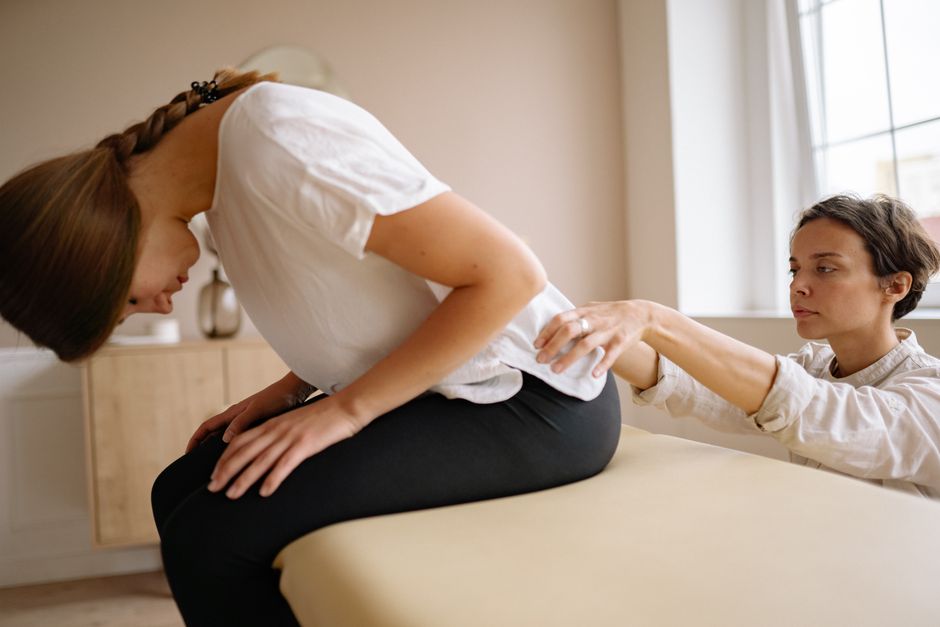
Lower back pain is a common problem, but that does not make it any easier to deal with. The honest answer is that most people get better within a few weeks without expensive treatments. Movement, not rest, is usually the best medicine. Stretching, walking, and strengthening your core muscles can often provide real relief.
What Actually Causes Lower Back Pain?
Understanding the source of your pain helps you pick the right fix. Most lower back pain is what doctors call “non-specific.” This means there is no single damaged structure like a herniated disc or a broken bone. The pain comes from a combination of weak muscles, stiff joints, and poor movement patterns.
Research shows that muscle strain is the most common trigger. When you lift something awkwardly or twist suddenly, small tears can form in the back muscles. These heal on their own in most cases. Some studies suggest that up to 90 percent of people with acute back pain recover within six weeks without any medical intervention at all.
Another common cause is disc problems. The soft cushions between your vertebrae can bulge or rupture. This sounds scary, but many people have disc bulges without any pain. A study in the New England Journal of Medicine found that about 30 percent of people without back pain still had disc bulges on MRI scans. The presence of a bulge does not automatically mean it is causing your pain.
Arthritis in the spine becomes more common as people age. This causes stiffness and pain that gradually builds over years rather than appearing suddenly. Current research suggests that maintaining flexibility through regular movement can slow the progression of arthritis-related back pain.
Does Movement Actually Help Alleviate Lower Back Pain?
Yes. Movement is one of the most effective ways to alleviate lower back pain. This goes against the old advice of bed rest. Studies have found that people who stay active recover faster than those who lie down for days at a time.
Walking is a good starting point. It is low impact and does not require any equipment. A 2020 study in the journal Spine showed that people who walked for 30 minutes five days a week had significantly less pain after six weeks compared to those who did not. The key is consistency. Short walks every day work better than long walks once a week.
Stretching helps too. Tight hamstrings can pull on your pelvis and make back pain worse. Simple hamstring stretches done daily can reduce tension in the lower back. The same applies to hip flexors. Many people sit for long hours, which shortens these muscles and tilts the pelvis forward.
Strengthening your core is another critical piece. Your core muscles act like a natural back brace. When they are weak, your spine takes more load. Planks, bird dogs, and bridges are safe exercises that build core strength without straining the back. Do not do sit-ups. They put too much pressure on the spine.
What Stretches and Exercises Are Proven to Help?
Not all exercises are equal for back pain. Some can make things worse. Here are the ones with the best evidence behind them.
| Exercise | What It Does | How Often |
|---|---|---|
| Child’s Pose | Stretches lower back and hips | Daily, hold 30 seconds |
| Cat-Cow | Improves spine mobility | 10-15 reps daily |
| Pelvic Tilts | Strengthens lower abs | 15 reps daily |
| Bird Dog | Builds core stability | 10 reps per side daily |
| Glute Bridges | Strengthens glutes and lower back | 15 reps daily |
| Knee to Chest | Relieves lower back tension | Hold 30 seconds per side |
Some studies suggest that yoga can help with chronic back pain. A 2017 review in the Annals of Internal Medicine found that yoga reduced pain and improved function in people with chronic lower back pain. The effect was similar to physical therapy. But you need to be careful. Certain poses like forward folds and deep twists can aggravate some conditions. Start with gentle classes and tell the instructor about your back pain.
Pilates also has good evidence. A 2015 study in the Journal of Orthopaedic and Sports Physical Therapy showed that Pilates was more effective than usual care for reducing pain and disability. The focus on core control and proper alignment seems to be the reason.
-
 How to Help Lower Back Pain During Pregnancy? Tips That Actually Work
 -
Is Bike Riding Good for Lower Back Pain? What’s Actually True
-
How to Help Lower Back Pain Naturally? Ways That Actually Help
-
How to Relieve Lower Back Pain: What Actually Works
-
Arctic Blast Reviews 2026: Does The Cooling Pain Drop Work?





What About Heat, Ice, and Massage?
Heat therapy works well for most types of back pain. It increases blood flow to the area and relaxes tight muscles. A 2014 review in the Cochrane Database found that heat wraps reduced pain and muscle stiffness in people with acute lower back pain. Apply heat for 15-20 minutes at a time. Do not use it if the area is swollen or bruised.
Ice is better for acute injuries where inflammation is present. If you hurt your back within the last 48 hours, ice can help reduce swelling and numb the pain. After two days, switch to heat. There is no strong evidence that one is clearly better than the other for all cases. Try both and see what feels better.
Massage can help but the effects are usually short-term. Some studies suggest that massage therapy reduces pain for a few days to a week. It does not fix the underlying problem. Think of it as temporary relief while you work on strengthening and stretching. Deep tissue massage can sometimes make things worse if the muscles are already irritated. Stick with gentle to moderate pressure.
As of 2026, current research suggests that combining heat with gentle movement works better than either one alone. A warm shower followed by light stretching is a practical routine many people find helpful.
What Pain Relievers and Supplements Actually Work?
Over-the-counter pain relievers can help but they come with risks. Ibuprofen and naproxen are nonsteroidal anti-inflammatory drugs (NSAIDs). They reduce inflammation and pain. Studies show they work for acute back pain. But they can cause stomach problems and kidney issues if used too often. Do not take them for more than 10 days without talking to a doctor.
Acetaminophen used to be the first recommendation for back pain. That changed. A 2014 study in The Lancet found that acetaminophen was no better than a placebo for acute lower back pain. It can still help with pain in general, but it does not reduce inflammation. Many doctors no longer recommend it as a first choice for back pain.
Muscle relaxants are sometimes prescribed for severe back pain. They can help but they cause drowsiness and dizziness. They are meant for short-term use only, usually less than a week. Evidence indicates they work for some people but not everyone.
Supplements are a different story. The evidence is weak for most of them.
The honest truth is that no supplement has been proven to cure back pain. If you want to try one, pick a single ingredient product from a reputable brand. Avoid blends with many ingredients. They are harder to test and often contain underdosed amounts.
What Should You Avoid When Your Back Hurts?
Some common advice for back pain is wrong. Knowing what to avoid can save you time and prevent further injury.
Do not stay in bed for days. Bed rest was the standard recommendation for decades. Research now shows it makes things worse. Muscles weaken. Joints stiffen. Recovery takes longer. If the pain is severe, rest for a day or two. Then start moving gently.
Do not do sit-ups or toe touches. Sit-ups put high pressure on the discs in your lower back. Toe touches stretch the hamstrings but they also round the spine in a way that can aggravate disc problems. Replace them with planks and knee-to-chest stretches.
Do not wear a back brace for long periods. Back braces can provide temporary support. But wearing one for hours every day weakens your core muscles. Your body starts to rely on the brace instead of its own muscles. Use a brace only for specific activities like lifting something heavy. Take it off the rest of the time.
Do not get an MRI just because you are curious. Imaging is overused for back pain. Guidelines from the American College of Physicians recommend against routine imaging for non-specific back pain. MRI scans often find things that look abnormal but are not causing any symptoms. This leads to unnecessary worry and sometimes unnecessary surgery. Only get an MRI if you have red flags like numbness in the groin area, loss of bladder control, or unexplained weight loss.
Frequently Asked Questions About alleviate lower back pain
How long does lower back pain usually last?
Most cases of acute lower back pain improve within four to six weeks. Chronic pain lasts longer than three months and may require ongoing management.
Is it better to use heat or ice for lower back pain?
Heat is generally better for muscle tension and stiffness. Ice is better for acute injuries with swelling in the first 48 hours.
Can poor posture cause lower back pain?
Yes, poor posture over time can strain muscles and joints. Sitting for long hours with a rounded lower back is a common contributor.
When should I see a doctor for lower back pain?
See a doctor if the pain lasts more than two weeks, spreads down your leg, or comes with fever, numbness, or trouble controlling your bladder.
