
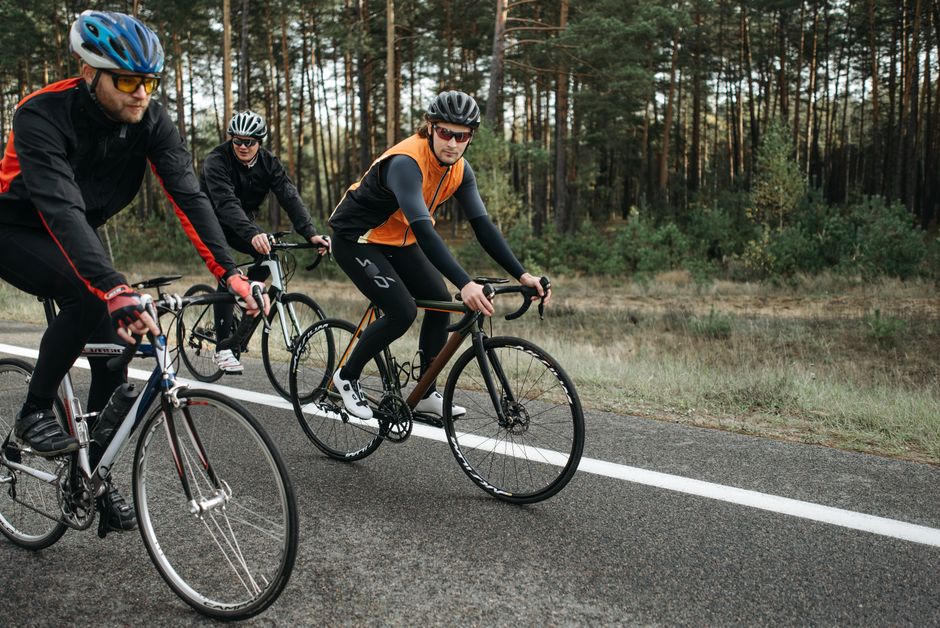
Bike riding can be good for lower back pain, but only under specific conditions. The position of your body on the bike matters more than the bike itself. For some people, cycling reduces pain by strengthening the muscles that support the spine. For others, it makes things worse. The difference usually comes down to bike fit, riding position, and the underlying cause of the pain.
Low back pain affects most adults at some point. It is one of the most common reasons people visit a doctor. If you are considering cycling as a way to manage it, or wondering whether your existing riding habit is helping or hurting, the answer depends on details that are worth understanding.
How Does Cycling Affect the Lower Back?
Cycling is a low-impact activity. It puts far less stress on the spine than running or jumping. That is one reason clinicians often suggest it for people who cannot tolerate high-impact exercise. But “low impact” does not automatically mean “good for your back.”
When you ride, your spine sits in a forward-flexed position. The degree of flex depends on your bike type and setup. A road bike with drop handlebars puts you in a deep forward lean. A cruiser or upright hybrid keeps your spine closer to neutral. That distinction matters a great deal for anyone with an existing back problem.
Cycling also engages the deep muscles of the trunk and the erector spinae muscles that run along the spine. Over time, a regular riding habit can build endurance in these muscles. Better muscular endurance around the spine is associated with fewer episodes of low back pain in some studies. The relationship is not perfectly clear, but the general direction is supported by research on exercise and back pain.
There is a catch. Static positions held for long periods can aggravate certain back conditions. If you have a disc problem that worsens with spinal flexion, a forward-leaning cycling posture may provoke symptoms. If your pain comes from weak supporting muscles or general deconditioning, gentle cycling may help.
Is Bike Riding Good for Lower Back Pain or Can It Make It Worse?
Both are true, depending on the person and the setup. This is not a dodge. It reflects how back pain works.
Low back pain is not one condition. It is a symptom with many possible causes. Muscle strain, facet joint irritation, disc degeneration, spinal stenosis, and nerve compression can all produce pain in the same general area. Each responds differently to the same activity.
For mechanical low back pain, the kind tied to muscle weakness, stiffness, or poor movement patterns, cycling is often well tolerated. The smooth pedaling motion promotes blood flow and gentle mobility without jarring the spine. Some clinicians recommend stationary cycling as part of a rehab program for this reason.
For pain driven by nerve compression, the picture changes. A forward-flexed posture can narrow the spaces where nerves exit the spine. Some people with stenosis actually feel better leaning forward. Others with a disc herniation feel worse. The response is individual and often predictable only by trying it carefully.
If riding consistently increases your pain, that is information. It does not mean cycling is bad in general. It means this position, on this bike, is not working for your back right now.
What Riding Position Is Best for Your Back?
An upright position is generally easier on the lower back than an aggressive forward lean. This is the most practical takeaway for most riders with back pain.
An upright or semi-upright posture keeps your spine closer to its natural curves. It reduces the sustained flexion that can irritate discs and joints. Hybrid bikes, city bikes, and recumbent bikes all allow a more upright stance. Recumbent bikes, where you sit back with legs extended forward, put the least flexion on the spine of any common bicycle design.
Handlebar height and stem length play a large role. Raising the handlebars reduces how far you have to reach and lean. A shorter stem brings the bars closer. These are simple adjustments a bike shop can make.
Saddle position matters too. A saddle that is too high forces your hips to rock with each pedal stroke. That rocking motion transmits to the lower back. A saddle that is too low increases compression in the front of the hip and can round the lower spine. Getting saddle height right is one of the most effective single fixes.
Some riders find that a slight forward lean actually feels better than sitting bolt upright. This is because a fully vertical spine with no core engagement can place load directly on the lumbar discs. A small forward tilt engages the back muscles and can be more comfortable. The right angle is the one that lets you ride without pain building up.





What Does a Proper Bike Fit Change?
A professional bike fit can make a real difference for riders with back pain. Poor fit is a common and correctable cause of cycling-related discomfort.
During a fit, a specialist adjusts saddle height, saddle fore-aft position, handlebar height, stem length, and cleat position. The goal is to align your body so that pedaling does not force your spine or hips into strained positions. Small changes, sometimes just a centimeter or two, can shift where load lands on your back.
Bike fit is not a cure for an underlying spinal condition. It removes mechanical aggravators that make riding harder on your back than it needs to be. If your pain has a structural cause, fit alone will not resolve it. But fit problems and back problems often overlap, and correcting the fit is a reasonable first step.
Some clinicians recommend a trial of adjusted riding before concluding that cycling does not suit you. Others suggest that if pain persists after a proper fit, the activity itself may not be the right match. There is no single guideline that covers every case.
When Should You Avoid Cycling With Back Pain?
Stop riding and seek medical evaluation if you have certain warning signs. These are not subtle and should not be ignored.
- Pain that radiates down one or both legs, especially below the knee
- Numbness, tingling, or weakness in the legs or feet
- Loss of bladder or bowel control
- Pain that worsens steadily despite rest and position changes
- Pain following a fall or accident
- Unexplained weight loss along with back pain
- Fever with back pain
These signs can indicate nerve involvement or other serious conditions that need prompt assessment. Cycling is not appropriate until a doctor has evaluated them.
Even without red flags, some people find that cycling consistently flares their pain no matter how the bike is set up. In that case, other low-impact options may work better. Walking, swimming, and water exercise are commonly recommended for people who cannot tolerate cycling. A physical therapist can help identify which movements your back tolerates.
How Does Cycling Compare to Other Exercise for Back Pain?
Exercise in general is one of the most supported approaches to managing chronic low back pain. The specific type matters less than consistency and tolerance. Cycling is one option among several.
Walking is often the first recommendation because it is accessible and closely mimics normal movement. Swimming and water exercise reduce gravitational load on the spine. Strength training, particularly for the core and hip muscles, addresses the muscular weakness that contributes to many cases of back pain.
Cycling has advantages. It is low impact, it builds leg and trunk endurance, and it can be sustained for long periods by people who enjoy it. Enjoyment matters because people stick with exercise they like.
It also has a disadvantage. The seated, flexed posture is not ideal for every back condition. No single exercise is best for all cases. The evidence supports movement in general more strongly than it supports any one activity.
Does Cycling Prevent Future Back Pain?
Regular physical activity is associated with a lower risk of developing low back pain, but no specific exercise has been proven to prevent it outright. Cycling can be part of an active lifestyle that supports spinal health. It is not a guaranteed preventive measure.
What seems to matter most is avoiding prolonged inactivity and maintaining strength and mobility around the spine and hips. Cycling contributes to cardiovascular fitness and leg strength. Whether it specifically protects the lower back is less clear.
Some research suggests that people who exercise regularly report fewer episodes of back pain and less disability when pain does occur. The effect is modest and not specific to cycling. The general principle, that staying active helps, is well supported.
What Should You Do If You Want to Try Cycling for Your Back?
Start gently and pay attention to how your back responds. Do not push through pain that increases while riding or lingers afterward.
Begin with short rides on flat terrain. Use an upright bike if you have one available. Keep the effort easy at first. Note whether pain improves, stays the same, or worsens during and after the ride. That pattern tells you more than any general rule.
If you have an ongoing back condition, talk to your doctor or a physical therapist before starting. They can help you decide whether cycling fits your situation and what precautions to take. Some clinicians are comfortable recommending it broadly. Others are more selective depending on the diagnosis.
Consider a professional bike fit if you plan to ride regularly. It is one of the few interventions with a clear mechanical rationale and low risk. It will not fix a spinal problem, but it can remove avoidable strain.
If cycling does not help, that is a valid outcome. Many people with back pain find relief through other forms of movement. The goal is finding what your back tolerates, not forcing a particular activity because it works for someone else.
Frequently Asked Questions
Is bike riding good for lower back pain?
It can be, especially for pain related to muscle weakness or general deconditioning. It can also make certain conditions worse, so individual response matters more than any general rule.
What type of bike is best for lower back pain?
An upright or recumbent bike is generally easier on the lower back than a road bike with a deep forward lean. A recumbent puts the least flexion on the spine.
Can cycling make a herniated disc worse?
It can for some people, because the forward-flexed posture may increase pressure on the disc. Others tolerate it well, so response varies and should be discussed with a doctor.
How long should I ride if I have back pain?
Start with short rides and increase only if your back tolerates them without worsening pain. There is no standard duration that fits everyone.
