
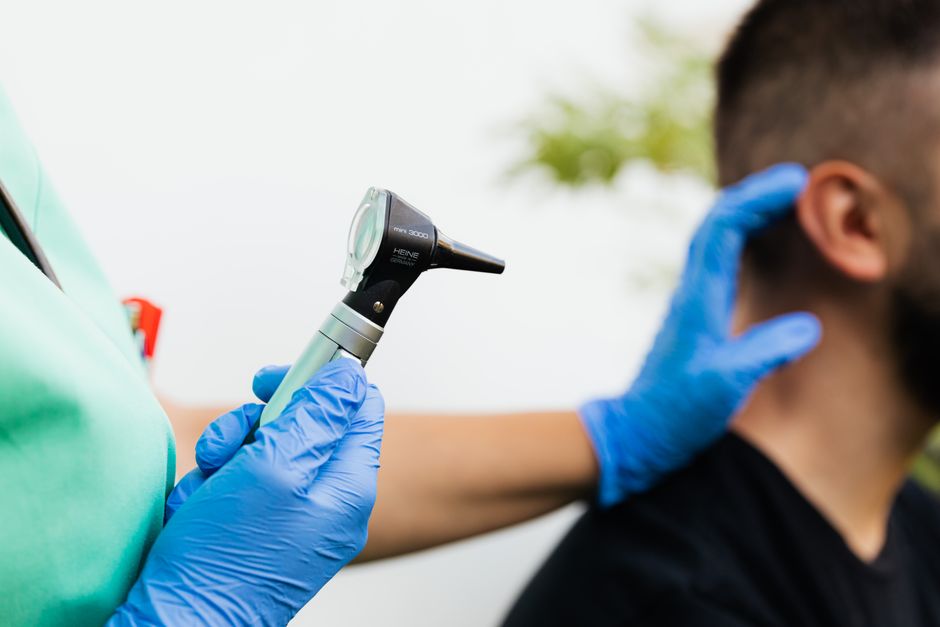
Itchy ears are annoying, distracting, and sometimes painful. You want relief and you want it now. A few simple home remedies can stop the itch fast. Warm compresses, a few drops of olive oil, or diluted hydrogen peroxide often do the trick. But the right remedy depends entirely on why your ears itch in the first place. Let’s look at what actually works and what you should skip.
What Causes Itchy Ears in the First Place?
Itchy ears usually come from a few common sources. Dry skin inside the ear canal is one of the biggest culprits. When you clean your ears too much with cotton swabs, you strip away the protective layer of earwax. That leaves the skin dry and irritated.
Allergies are another major cause. Pollen, dust, pet dander, or even certain shampoos can trigger itching inside the ears. Some people also react to hearing aids or earbuds made from certain materials. According to the American Academy of Otolaryngology, skin conditions like eczema and psoriasis can affect the ear canal too.
Swimmer’s ear is a different story. That is an infection of the outer ear canal caused by water trapped inside. Bacteria or fungi grow in the moist environment. The itch comes with redness, swelling, and sometimes pain. A mild case might respond to home care, but infections need medical attention if they get worse.
Fungal infections are less common but real. They happen more in warm climates or after long courses of antibiotics. If your ears itch deep inside and you also notice flaky discharge, fungus could be the reason.
How To Help Itchy Ears Home Remedies That Work
The safest first step is a warm compress. Soak a clean washcloth in warm water, wring it out, and hold it against the itchy ear for five to ten minutes. The heat increases blood flow and soothes the skin. This works well for mild itching from dry skin or allergies.
Olive oil is another gentle option. Warm a small amount of food-grade olive oil to body temperature. Use a clean dropper to put two to three drops in the itchy ear. Let it sit for a few minutes, then tilt your head to let it drain. Olive oil softens dry skin and can help loosen hardened earwax that might be causing the itch. A 2017 study in the journal Primary Care and Community Health found that olive oil was safe and effective for softening earwax.
Diluted hydrogen peroxide can help if you suspect excess earwax is the problem. Mix equal parts of 3% hydrogen peroxide and warm water. Use a dropper to put a few drops in the ear. Let it bubble for a minute, then tilt your head to drain. The bubbling action loosens wax and debris. Research from the Mayo Clinic confirms this method is safe for occasional use. Do not use it if you have a history of ear infections or a perforated eardrum.
| Remedy | Best For | How to Use | Evidence |
|---|---|---|---|
| Warm compress | Dry skin, allergies | 10 minutes, as needed | Clinical consensus |
| Olive oil | Dry skin, hardened wax | 2-3 drops, once daily | Study in Primary Care and Community Health |
| Diluted hydrogen peroxide | Excess earwax | Few drops, rinse after 1 min | Mayo Clinic recommendation |
| White vinegar and rubbing alcohol | Swimmer’s ear prevention | Equal parts, 3 drops after swimming | Clinical practice guidelines |
What About Vinegar and Alcohol for Itchy Ears?
This is a popular home remedy that many people swear by. Mix equal parts white vinegar and rubbing alcohol. Put a few drops in the ear after swimming or showering. The alcohol helps dry out trapped water. The vinegar changes the pH of the ear canal, making it harder for bacteria and fungi to grow.
The evidence here is mixed but reasonable. A 2013 review in American Family Physician noted that acetic acid solutions can help prevent swimmer’s ear. They are not as strong as prescription antibiotic drops, but they work for mild cases or prevention. The American Academy of Otolaryngology includes this as an option for people prone to swimmer’s ear.
Do not use this remedy if you have a damaged eardrum or active infection with discharge. The alcohol will sting badly. If you feel sharp pain, stop immediately. Some people report that this mixture dries out the skin too much with frequent use. Use it only when needed, not as a daily routine.




What Does Research Say About Ear Candling?
Ear candling is not a remedy. It is a dangerous practice that does not work. A hollow candle is placed in the ear and lit. The theory is that the flame creates suction that pulls wax out. Research has thoroughly debunked this.
A 2010 study in Canadian Family Physician tested ear candles and found no evidence of suction or wax removal. The residue inside the candle is actually candle wax and ash, not earwax. The FDA has issued warnings against ear candling because it can cause burns, ear canal blockages, and even perforated eardrums.
Do not use ear candles. If you see them sold online or in stores, ignore them. There is no legitimate medical authority that recommends them. The risks far outweigh any imagined benefit.
Common Mistakes People Make With Itchy Ears
The biggest mistake is using cotton swabs. People push them into the ear canal to scratch the itch. This usually makes things worse. The swab pushes wax deeper, compacts it, and irritates the delicate skin. Over time, this leads to more itching and sometimes infections.
Another mistake is putting anything sharp or pointed in the ear. Bobby pins, paper clips, keys, and fingernails all cause micro-tears in the skin. Those tiny cuts get infected easily. If your ear itches, resist the urge to stick anything inside.
Using too many drops is also common. People think if a few drops help, more drops will help faster. That is not how it works. Excess liquid can pool in the ear canal and create a moist environment where bacteria thrive. Stick to the recommended amounts. Two to three drops is plenty.
Ignoring pain is another error. If your ear itches and also hurts, that is not a dry skin problem. That is likely an infection. Home remedies will not fix an infection. You need to see a doctor for antibiotic or antifungal ear drops.
- Never use cotton swabs inside the ear canal
- Do not put any sharp object in your ear
- Stop using drops if you feel pain
- Do not use ear candles under any circumstances
- See a doctor if itching lasts more than a week
When Should You See a Doctor for Itchy Ears?
Most itchy ears get better with home remedies in a few days. But some symptoms mean you need medical help. If you have pain along with the itch, that is a red flag. Pain suggests infection, not just irritation.
Discharge from the ear is another warning sign. Yellow or green fluid, blood, or thick white material all need a doctor’s evaluation. Fever or swelling around the ear also requires medical attention. These are signs of a spreading infection.
If you have diabetes, be more cautious. People with diabetes are more prone to malignant otitis externa, a serious infection of the ear canal. It starts with itching and progresses to severe pain. The CDC notes that prompt treatment is critical in these cases.
Hearing loss that comes with itching is another reason to see a doctor. You might have a wax blockage that needs professional removal. A healthcare provider can safely flush the ear or use suction to clear the wax. Do not try to dig it out yourself.
Frequently Asked Questions
Can I use baby oil for itchy ears?
Yes, baby oil is safe for occasional use. Put two to three drops in the ear to soften dry skin and loosen wax.
Does coconut oil help itchy ears?
Coconut oil can moisturize dry skin in the ear canal. Some people report it helps, but strong clinical evidence is limited.
Can allergies cause itchy ears without other symptoms?
Yes, itchy ears can be the only sign of an allergic reaction. Antihistamines often help in these cases.
How long should I try home remedies before seeing a doctor?
Try home remedies for three to five days. If the itch continues or gets worse, see a healthcare provider.
