
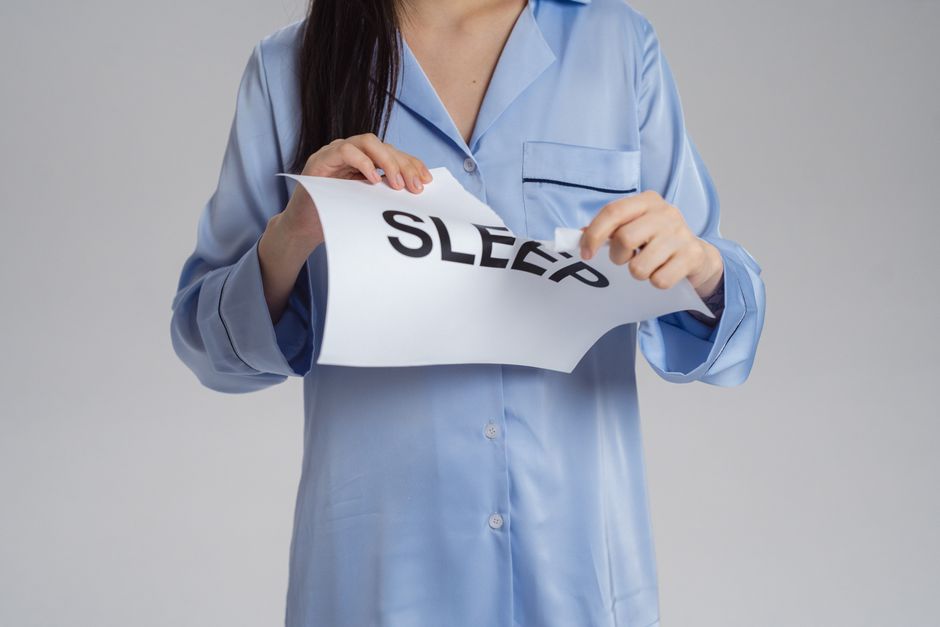
Insomnia is frustrating, and the advice online is often contradictory. The proven path to better sleep is not a single miracle fix but a combination of evidence-based habits. Cognitive Behavioral Therapy for Insomnia (CBT-I) is the most effective long-term treatment, and specific lifestyle adjustments—like consistent wake times and managing light exposure—provide the foundation for most people. This guide breaks down the strategies that research consistently supports.
What Actually Causes Insomnia?
Insomnia is not just “having trouble sleeping.” It is a defined condition where you have difficulty falling asleep, staying asleep, or getting restorative sleep, even when you have the chance to sleep. This happens at least three nights per week for at least three months in chronic cases.
Several factors drive it. Stress and anxiety keep your nervous system alert. Irregular schedules confuse your body’s internal clock, or circadian rhythm. Poor sleep habits, like using your bed for work, weaken the mental link between your bed and sleep. Underlying conditions—such as sleep apnea, restless legs syndrome, chronic pain, or thyroid issues—can also cause insomnia. Caffeine, alcohol, and certain medications are common culprits too.
The key point is that insomnia is often a learned or conditioned problem. Your brain starts to associate the bed with frustration and wakefulness. That is why the most effective treatments focus on rebuilding that association, not just taking a pill.
How To Help Insomnia Proven Tips For Better Sleep
The single most effective approach is Cognitive Behavioral Therapy for Insomnia, or CBT-I. This is not a drug. It is a structured program that changes the thoughts and behaviors that fuel insomnia. Research consistently shows it works as well as or better than sleep medications, and the benefits last long after treatment ends.
CBT-I has several core parts. Stimulus control is one of the most powerful. The rule is simple: only go to bed when you are sleepy. If you cannot fall asleep within about 20 minutes, get out of bed and do something quiet in dim light until you feel sleepy. This breaks the cycle of lying in bed frustrated. Your bed must become a place for sleep only, not for worrying, watching TV, or scrolling on your phone.
Sleep restriction is another component. It sounds counterintuitive, but you limit the time you spend in bed to match the amount of sleep you actually get. If you sleep only six hours but spend nine in bed, you compress the window to six hours. This builds sleep pressure, making sleep deeper and more efficient. Once your sleep improves, you gradually extend the time in bed. This should be done with guidance from a clinician, as it can cause daytime sleepiness initially.
Sleep hygiene is the foundation, but it is rarely enough on its own. It includes keeping a consistent wake time every day, even on weekends. This anchors your circadian rhythm. It also means keeping your bedroom cool, dark, and quiet. Most people sleep best in a slightly cool room, around 65 degrees Fahrenheit.
Does Melatonin Actually Work?
Melatonin is a hormone your brain produces naturally as darkness falls. It signals that it is time to sleep. As a supplement, it is one of the most popular sleep aids on the market. The evidence for it, however, is more limited than the marketing suggests.
Melatonin is not a sedative. It does not knock you out like a sleeping pill. It helps shift your internal clock. This makes it most useful for jet lag, shift work, or when your sleep schedule is out of sync with your environment. For general insomnia, the effects are modest. Some studies show it reduces the time it takes to fall asleep by a small amount, but not dramatically.
Timing and dose matter. Taking a low dose, typically 0.5 to 3 milligrams, about one to two hours before bedtime is common clinical practice. Higher doses do not work better and can cause vivid dreams, morning grogginess, or next-day drowsiness. Melatonin is not regulated like a drug in the United States, so product quality varies. It is generally considered safe for short-term use, but long-term safety data is limited. Always check with your doctor before starting it, especially if you take other medications.




What About Sleep Medications?
Prescription sleep medications have a role, but they are not a long-term solution for most people. They are typically recommended for short-term use, often a few weeks, to break an acute bout of insomnia. They are most effective when combined with behavioral changes, not used alone.
Common classes include benzodiazepines and the newer “Z-drugs” like zolpidem (Ambien) and eszopiclone (Lunesta). These work by calming brain activity. They can help you fall asleep faster, but they come with risks. Side effects include daytime drowsiness, dizziness, and memory problems. There is also a risk of dependence and tolerance, meaning you need more over time to get the same effect. Some people experience complex sleep behaviors, like sleepwalking or eating while asleep, though this is rare.
The evidence for over-the-counter options is weak. Antihistamines like diphenhydramine (Benadryl) are found in many OTC sleep aids. They cause drowsiness as a side effect, but your body builds tolerance quickly, often within days. They can also cause dry mouth, constipation, and confusion, especially in older adults. They are not a good long-term option.
How Does Light and Screen Time Affect Sleep?
Light is the strongest signal for your internal clock. Bright light in the morning tells your brain it is daytime and suppresses melatonin. Bright light in the evening delays your body’s preparation for sleep. This is a well-established biological response.
Blue light from screens is a specific concern. Phones, tablets, and computers emit high levels of blue light, which is particularly effective at suppressing melatonin. The practical advice is straightforward: dim your screens in the hour before bed and keep the room dim. Some evidence suggests that wearing blue-blocking glasses or using night mode on devices may help, but the effect is likely small compared to simply reducing overall light exposure.
Morning light is just as important as evening darkness. Getting outside for 15 to 30 minutes of natural light soon after waking helps set your circadian rhythm for the day. This makes it easier to fall asleep at night. If you live in a place with long winters, a light therapy box can be a useful tool, though it is primarily studied for seasonal affective disorder.
Which Lifestyle Habits Matter Most?
Some habits have a clear, direct effect on sleep quality. Others are overhyped. The following are supported by consistent evidence.
- Caffeine: Caffeine blocks adenosine, a chemical that builds sleep pressure. Its half-life is about five to six hours. That means a 4 PM coffee still has significant effects at 10 PM. Stop caffeine by early afternoon, ideally around 2 PM.
- Alcohol: Alcohol helps you fall asleep faster, but it fragments sleep. It reduces REM sleep and increases nighttime awakenings. If you drink, keeping it to one or two drinks and stopping at least three hours before bed is reasonable.
- Exercise: Regular physical activity improves sleep quality and reduces the time it takes to fall asleep. The timing matters less than consistency. Some people find vigorous exercise too close to bed keeps them awake, but this varies. Morning or afternoon exercise is generally safest.
- Meals: A heavy meal close to bedtime can cause discomfort and heartburn. Eating a large meal within two hours of bed is not ideal. A light snack, like a banana or a small bowl of oatmeal, is fine if you are hungry.
Napping is a double-edged sword. A short nap of 20 to 30 minutes early in the afternoon can be restorative. Long naps or naps late in the day reduce sleep pressure and make it harder to fall asleep at night. If you have insomnia, it is usually best to avoid napping entirely.
When Should You See a Doctor?
Occasional poor sleep is normal. Everyone has a rough night. But if you have struggled with sleep for more than three months, or if daytime fatigue is affecting your work, mood, or safety, see a healthcare provider. Insomnia can be a symptom of an underlying condition like depression, anxiety, or sleep apnea.
Ask specifically about CBT-I. Many primary care doctors can refer you to a sleep specialist or a psychologist trained in CBT-I. There are also structured online programs that deliver the same techniques. These programs have strong evidence behind them. Several large studies show that internet-delivered CBT-I is effective and can be a practical first step for many people.
Do not ignore loud snoring, gasping during sleep, or excessive daytime sleepiness. These can be signs of sleep apnea, a serious condition that requires medical evaluation. If you have these symptoms, bring them up with your doctor directly.
Frequently Asked Questions
What is the fastest way to fall asleep with insomnia?
Get out of bed if you cannot sleep within about 20 minutes and do a quiet activity in dim light until you feel sleepy. This breaks the frustration cycle and rebuilds the bed-sleep connection.
Can insomnia be cured without medication?
Yes. Cognitive Behavioral Therapy for Insomnia (CBT-I) is the most effective long-term treatment and works as well as or better than sleep medications. It addresses the behaviors and thoughts that keep insomnia going.
Is it bad to take melatonin every night?
Melatonin is generally safe for short-term use, but long-term nightly use has limited safety data. It is not a sedative and works best for shifting your sleep schedule, not for treating chronic insomnia.
What time should I stop drinking caffeine to sleep better?
Stop caffeine by early afternoon, around 2 PM. Caffeine stays in your system for several hours and can interfere with sleep even if you do not feel alert.
