
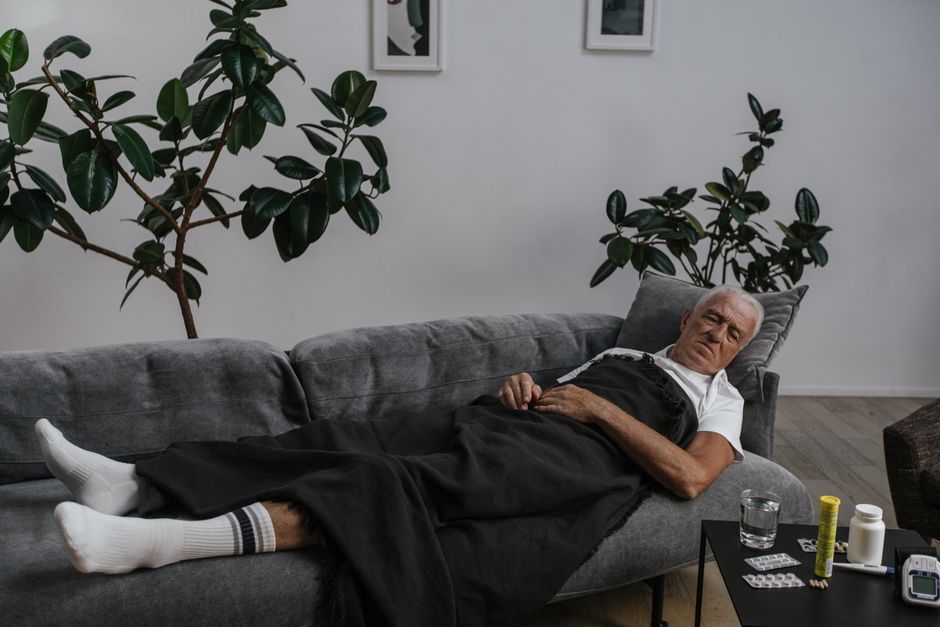
Getting good sleep when you are sick feels almost impossible. Your nose is stuffy. Your throat hurts. You cough every time you lie down. But sleep is exactly what your body needs to fight off the infection. Research shows that your immune system releases proteins called cytokines during deep sleep that help your body fight illness. Without quality sleep, recovery slows down. The key is knowing which tips actually help and which ones just waste your energy. This article covers what the evidence says about sleeping while sick, what to avoid, and practical steps that work.
What Does Research Say About Sleeping When Sick?
Studies have found a direct link between sleep and immune function. The body produces infection-fighting cells called T-cells during deep sleep. The CDC reports that adults need 7 to 9 hours of sleep per night for normal immune function. When you are sick, your body may need even more rest.
Research published in the journal Sleep found that people who slept less than 6 hours a night were four times more likely to catch a cold than those who slept 7 hours or more. This works both ways. Once you are already sick, sleep helps you heal faster. Your body temperature naturally rises to fight the infection, which can disrupt deep sleep cycles. This is why you may wake up feeling worse than when you went to bed.
One non-obvious finding is that sleeping on your back may actually make congestion worse. Gravity pulls mucus down your throat, triggering coughing and choking sensations. Sleeping at an angle helps keep airways open and reduces post-nasal drip.
Does Sleeping Position Really Matter?
Yes. Sleeping flat on your back is one of the worst positions when you are sick. Mucus pools in your sinuses and drips down your throat, which causes coughing and irritation. The American Academy of Otolaryngology recommends elevating your head by 30 to 45 degrees. This keeps mucus from pooling and helps you breathe easier.
You do not need a special wedge pillow. Stack two regular pillows under your head and upper back. Some people find sleeping on their side with the top pillow slightly elevated works well. The goal is to keep your head higher than your chest. This simple change can reduce coughing episodes by a noticeable amount.
Avoid sleeping on your stomach. This position compresses your lungs and makes breathing harder. Your diaphragm cannot expand fully, which means less oxygen reaches your body. If you have a fever, your body is already working harder to cool itself. Do not make it work harder for air too.
How To Sleep When Sick Tips That Actually Work for Congestion
Congestion is the top reason people cannot sleep when sick. The feeling of not being able to breathe through your nose triggers anxiety, which makes it even harder to fall asleep. Here is what the evidence says works.
Saline nasal sprays are safe and effective. They rinse out mucus and moisturize dry nasal passages. Unlike decongestant sprays, you can use them as often as needed without causing rebound congestion. The Mayo Clinic recommends using a saline spray before bed and again if you wake up congested during the night.
Steam from a hot shower or a humidifier can help loosen thick mucus. Dry air irritates nasal passages and makes mucus stickier. A cool-mist humidifier in your bedroom adds moisture to the air, which helps your sinuses drain more easily. Keep the humidity level between 40 and 60 percent. Higher levels can promote mold growth.
Some people report that eating spicy food before bed helps clear sinuses. This is widely claimed, but strong evidence is limited. Capsaicin, the compound that makes peppers hot, can thin mucus temporarily. But it can also irritate your stomach and cause heartburn, which makes sleeping harder. If you try it, eat a small amount at least two hours before lying down.




What About Fever and Temperature Regulation?
Fever is your body raising its internal temperature to kill off viruses and bacteria. This makes it hard to get comfortable for sleep. The body naturally cools down at night to prepare for sleep. A fever disrupts this cycle.
Do not pile on heavy blankets thinking you need to “sweat out” the illness. This is a myth. The CDC advises against using excessive blankets or clothing to treat a fever. It can raise your body temperature to dangerous levels and cause dehydration. Instead, use a light sheet and keep the room at a cool 65 to 68 degrees Fahrenheit. This helps your body regulate its temperature without overheating.
If your fever goes above 102 degrees Fahrenheit, acetaminophen or ibuprofen can help bring it down. These medications do not cure the infection, but they reduce fever and body aches, which makes it easier to fall asleep. Take them at least 30 minutes before bed. Follow the dosing instructions carefully. Taking too much acetaminophen can damage your liver.
What Should You Avoid When Trying to Sleep Sick?
Several common tips actually make sleep worse. Here is what to skip.
- Alcohol. Alcohol is a sedative, not a sleep aid. It disrupts REM sleep and dehydrates your body. Even one drink can make congestion worse by swelling nasal passages. Avoid alcohol completely when sick.
- Caffeine after 2 PM. Caffeine blocks adenosine, the chemical that makes you feel sleepy. Its effects last up to 6 hours. If you drink coffee or tea in the evening, you will have a harder time falling asleep. Stick to water or herbal tea.
- Over-the-counter sleep aids. Many contain diphenhydramine, an antihistamine that makes you drowsy. But it also dries out mucus membranes, which can make congestion and sore throat worse. It can also cause confusion and dizziness in people over 65. The FDA advises against using these medications for sleep in older adults.
- Eating heavy meals before bed. Digestion takes energy. Your body needs that energy to fight the infection. Eating a large meal within two hours of bed can cause acid reflux and indigestion, which makes it harder to sleep. Eat light, easy-to-digest foods like soup or crackers if you are hungry.
Comparison of Common Cold and Flu Medications for Sleep
| Medication | What It Does | Best For Sleep? |
|---|---|---|
| Acetaminophen (Tylenol) | Reduces fever and body aches | Yes, if fever or pain keeps you awake |
| Ibuprofen (Advil) | Reduces inflammation, fever, and pain | Yes, especially for sore throat and body aches |
| Diphenhydramine (Benadryl) | Antihistamine, causes drowsiness | Not ideal, dries out passages and can cause grogginess |
| Dextromethorphan (Robitussin) | Cough suppressant | Only if cough is severe and keeps you awake |
| Pseudoephedrine (Sudafed) | Decongestant | Avoid at night, can cause insomnia |
What Are the Side Effects of Common Home Remedies?
Many home remedies are safe, but some have downsides. Honey is a common remedy for cough. Research published in JAMA Pediatrics found that honey was more effective than diphenhydramine for nighttime cough in children. In adults, one to two teaspoons of honey before bed can coat the throat and reduce coughing. But do not give honey to children under one year old due to botulism risk.
Chicken soup is another popular remedy. It has anti-inflammatory properties and helps keep you hydrated. The steam from hot soup also helps clear nasal passages. But drinking large amounts of broth right before bed can cause you to wake up to use the bathroom. Drink soup earlier in the evening, not right before sleep.
Essential oils like eucalyptus and peppermint are often used for congestion. Some people report that inhaling these oils helps open airways, but strong evidence is limited. The oils can irritate skin and eyes if used undiluted. Do not ingest essential oils. If you use a diffuser, follow the manufacturer’s instructions and keep the room ventilated.
When Should You See a Doctor?
Most colds and mild flu cases resolve on their own with rest and hydration. But some symptoms require medical attention. The CDC lists the following warning signs: difficulty breathing, chest pain, confusion, severe headache, fever above 103 degrees Fahrenheit that does not come down with medication, or symptoms that improve then suddenly worsen.
If you have a chronic condition like asthma, diabetes, or heart disease, talk to your doctor early in your illness. These conditions can make even a mild cold more serious. Do not wait until you are severely ill to seek help.
Sleep problems that persist after the illness resolves may indicate another issue. If you are still struggling to sleep two weeks after symptoms have gone, talk to your doctor. It could be a sign of lingering inflammation or a secondary infection.
Frequently Asked Questions
Can I take melatonin when I am sick?
Melatonin is generally safe for short-term use, but it does not treat the underlying illness. It may help you fall asleep if fever or pain keeps you awake.
Is it bad to sleep all day when sick?
Sleeping more than usual is normal and helps your body heal. But lying in bed all day can lead to muscle stiffness and worsen fatigue. Get up and move gently every few hours.
Should I wake up to take medicine in the middle of the night?
Only if your doctor specifically told you to. Most cold and flu medications are taken every 4 to 6 hours as needed. Do not interrupt your sleep unless symptoms wake you up naturally.
Does sleeping with a humidifier help with a cough?
Yes, a cool-mist humidifier adds moisture to the air, which soothes irritated airways and loosens mucus. Clean the humidifier daily to prevent mold and bacteria growth.
