
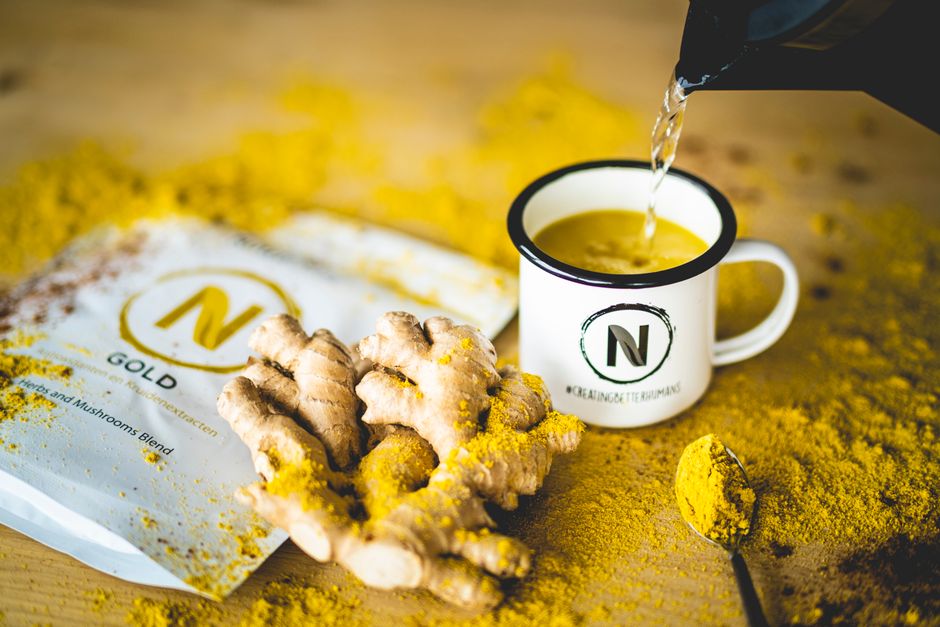
Turmeric is one of the most studied spices in the world, and the evidence is clear: it contains compounds that can reduce inflammation in the body. Curcumin, the active ingredient, has been shown in dozens of clinical trials to lower markers of inflammation. For pain, the results are promising but less consistent. Some people get real relief, while others see little difference. The science supports turmeric as a legitimate option for certain types of pain, but it is not a universal painkiller and comes with important limitations.
What Makes Turmeric Work at the Chemical Level
Turmeric contains a group of natural compounds called curcuminoids. The most studied of these is curcumin, which gives the spice its bright yellow color. Curcumin works by blocking several inflammatory pathways in the body at the same time.
It inhibits enzymes called COX-2 and LOX, which are involved in producing inflammatory chemicals. It also reduces the activity of NF-kB, a protein complex that controls the genes responsible for inflammation. This multi-pathway action is why researchers became interested in turmeric in the first place.
Here is the catch: the amount of curcumin in turmeric powder is small. Curcumin makes up only about 2-5% of the spice by weight. To get a meaningful dose, you need either a concentrated extract or a supplement. Cooking with turmeric adds flavor, but it will not deliver the doses used in clinical research.
There is another problem. Curcumin is poorly absorbed by the body. It is broken down quickly in the liver and intestines. Most of what you swallow never reaches your bloodstream. This is why many supplements combine curcumin with black pepper extract, or piperine. Piperine can increase absorption by up to 2000% in some studies, though this number comes from small early trials and may not reflect real-world use.
What Clinical Trials Show About Pain Relief
Research on turmeric and pain has focused heavily on arthritis. Osteoarthritis is the most studied condition. Several randomized controlled trials have compared curcumin extracts to standard anti-inflammatory drugs like ibuprofen or diclofenac.
Some of these trials found that curcumin reduced pain and improved joint function about as well as the drugs. Other trials found smaller effects. A 2016 review of randomized trials concluded that turmeric extract reduced pain in people with knee osteoarthritis, but the quality of the evidence was moderate at best. The studies were small, short, and used different doses and formulations.
For rheumatoid arthritis, the evidence is thinner. A few small trials suggest turmeric may reduce joint swelling and morning stiffness. But no large, well-designed trial has confirmed these results. Some research suggests turmeric may help with muscle soreness after exercise. The effect appears modest.
What about chronic pain conditions like fibromyalgia or neuropathic pain? No clinical evidence currently confirms that turmeric helps with these. The studies simply have not been done. If someone claims turmeric cures nerve pain or fibromyalgia, that claim goes beyond what the research shows.
How Much Turmeric Do You Need for Pain?
Clinical trials typically use curcumin extracts, not raw turmeric powder. Doses in studies range from 500 mg to 1500 mg of curcumin per day, usually divided into two or three doses. These are standardized extracts with a known concentration of curcuminoids.
Raw turmeric powder contains roughly 2-5% curcumin. To get 1000 mg of curcumin from powder, you would need to eat about 20-50 grams of turmeric. That is several tablespoons a day. Most people cannot tolerate that amount. It causes stomach upset, nausea, and diarrhea at high doses.
If you are considering a supplement, look for one that lists the curcuminoid content on the label. Many products contain black pepper extract or a liposomal formulation to improve absorption. The specific dose that works for one person may not work for another. There is no universal recommended dose for pain because the research has not established one.
One important note: the FDA does not regulate supplements the way it regulates drugs. A supplement label can claim a certain amount of curcumin, but independent testing has found that some products contain far less than advertised. If you choose to use a supplement, look for brands that use third-party testing.





Turmeric vs. Standard Pain Medications
Nonsteroidal anti-inflammatory drugs, or NSAIDs, are the standard treatment for inflammatory pain. Ibuprofen, naproxen, and diclofenac work by blocking COX enzymes, which reduces the production of inflammatory prostaglandins.
NSAIDs work quickly and reliably for most people. They also carry risks. Long-term use can cause stomach ulcers, kidney damage, and increased risk of heart attack or stroke. These risks are well documented and serious.
Turmeric is gentler on the stomach than NSAIDs in most studies. But it is also less potent. The pain relief from turmeric, when it works, tends to be more gradual. It may take two to four weeks of consistent use before someone notices a difference. NSAIDs often work within hours.
Some research has directly compared the two. A few trials found that curcumin matched ibuprofen for knee osteoarthritis pain. Other trials found it less effective. The results are inconsistent enough that turmeric should not be considered a direct replacement for prescription pain medication without talking to a doctor.
Who Should Avoid Turmeric Supplements
Turmeric is generally safe in culinary amounts. Supplements are a different matter. High doses of curcumin can interact with medications and worsen certain health conditions.
People taking blood thinners should be cautious. Curcumin has mild anti-platelet effects, meaning it can slow blood clotting. Taking it with warfarin, clopidogrel, or aspirin may increase bleeding risk. This interaction is real, though the clinical significance is not fully established.
People with gallbladder disease should avoid turmeric supplements. Curcumin can cause the gallbladder to contract, which may trigger pain in people with gallstones or bile duct obstruction. This is a well-documented effect.
Pregnant women should not take turmeric supplements. No clinical guidelines currently exist for this population because safety data is lacking. Culinary amounts in food are fine, but concentrated extracts have not been studied in pregnancy.
People with iron deficiency should know that turmeric can reduce iron absorption. It binds to iron in the digestive tract. If you are treating anemia, do not take turmeric at the same time as iron supplements.
Does It Work for All Types of Pain?
No. The evidence supports turmeric mainly for inflammatory pain, particularly joint pain from osteoarthritis. The mechanism is anti-inflammatory, so it makes sense that conditions driven by inflammation respond best.
For pain that is not inflammatory, turmeric likely does little. Acute injuries, broken bones, and surgical pain involve different pathways. Neuropathic pain, which comes from nerve damage, does not respond to anti-inflammatory treatment in most cases.
Headaches and migraines are a mixed picture. Some small studies suggest curcumin may reduce migraine frequency, but the evidence is preliminary. No clinical evidence currently confirms that turmeric treats an active migraine attack.
Menstrual pain has been studied in a few small trials. Some results suggest turmeric may reduce cramping, but the studies are too small to draw firm conclusions. Back pain research is also limited. A few trials have looked at turmeric for lower back pain, but the results are inconsistent.
Frequently Asked Questions
How long does turmeric take to work for pain?
Most clinical trials show noticeable effects after two to four weeks of daily use. Some people report improvement sooner, but the anti-inflammatory effects build up gradually rather than working within hours like ibuprofen.
Is turmeric better than ibuprofen for inflammation?
Some studies found turmeric comparable to ibuprofen for knee osteoarthritis pain, but results are mixed and the effect is usually milder. Ibuprofen works faster and more reliably, while turmeric has fewer long-term side effects on the stomach.
Can you take turmeric every day for pain?
Daily use is common in clinical trials, with doses between 500 mg and 1500 mg of curcumin extract. Long-term safety data beyond a few months is limited, so it is reasonable to take breaks and check with a doctor about interactions with your medications.
Does turmeric help with back pain?
Research on turmeric for back pain is limited and results are inconsistent. Some studies suggest a modest benefit for inflammatory back pain, but no large trials have confirmed this. The evidence is not strong enough to recommend turmeric as a primary treatment for back pain.
