
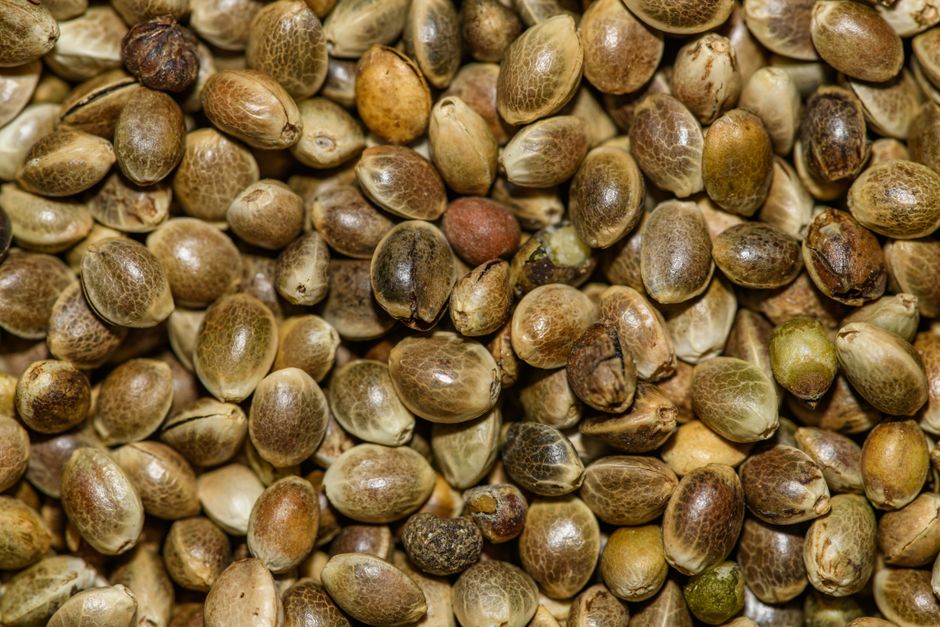
Hemp seeds are a popular food, but there is a lot of confusion about what is actually inside them. The short answer is no, hemp seeds do not naturally contain CBD in any meaningful amount. CBD is produced in the flowers and leaves of the hemp plant, not in the seeds themselves. However, trace amounts can appear on the seed’s surface if it touches the rest of the plant during processing, which often leads to misleading labels and marketing claims.
What Is the Difference Between Hemp Seeds and CBD Oil?
Hemp seeds and CBD oil come from the same plant, but they are entirely different products. Hemp seeds are the actual seeds of the Cannabis sativa plant. They are pressed to make hemp seed oil, which is rich in healthy fats, protein, and nutrients.
CBD oil is extracted from the flowers, leaves, and stalks of the plant. These parts contain high concentrations of cannabinoids like CBD. The seeds themselves do not produce CBD. This is a biological fact about how the plant grows and stores its chemical compounds.
When you buy hemp seed oil at the grocery store, you are buying a food product. When you buy CBD oil at a dispensary or health shop, you are buying a supplement made from the plant’s aerial parts. They share a name but not a chemical profile.
Why Do Some Hemp Seed Products Claim to Contain CBD?
Some products labeled as hemp seed oil do show CBD on their lab reports. This happens because of contamination during processing. When seeds are harvested and cleaned, they can rub against the flowers and leaves. This transfers tiny amounts of CBD and other cannabinoids onto the seed’s outer shell.
This is not a natural part of the seed. It is surface residue from the rest of the plant. The amount is usually very small, often less than a milligram per serving. Some manufacturers use this trace contamination to market their products as containing CBD.
Other manufacturers intentionally add CBD isolate to hemp seed oil to create a blended product. This is allowed in some regions but must be labeled clearly. If a product says “full spectrum hemp extract” or “CBD oil,” it likely contains added CBD. If it just says “hemp seed oil,” it should not contain meaningful amounts.
Always check the certificate of analysis for any hemp product. This independent lab test will show exactly how much CBD is present. If the label says “hemp seed oil” but the lab report shows significant CBD, the product was likely contaminated or intentionally blended.
What Nutrients Do Hemp Seeds Actually Provide?
Hemp seeds are a legitimate superfood, just not for the reasons some marketers claim. They are packed with nutrition that supports overall health in well-documented ways.
A standard serving of hulled hemp seeds provides a strong source of plant-based protein. They contain all nine essential amino acids, making them a complete protein. This is relatively rare among plant foods.
They are also rich in healthy fats. About 30% of the seed’s weight is oil, and that oil is primarily polyunsaturated fats. The ratio of omega-6 to omega-3 fatty acids in hemp seed oil is about 3:1, which is considered a healthy balance for most people.
Hemp seeds also provide minerals like magnesium, phosphorus, potassium, and zinc. They are a good source of vitamin E, which acts as an antioxidant in the body. These nutrients are real and measurable, and they are the reason hemp seeds deserve a place in a healthy diet.
None of these nutrients have anything to do with CBD. The health benefits of hemp seeds come from their nutritional profile, not from cannabinoids.





What Does the Science Say About CBD in Hemp Seeds?
Research is clear on this point. The seeds of the hemp plant do not produce cannabinoids. Cannabinoids are synthesized in glandular trichomes, which are tiny structures found on the flowers and leaves of the plant. Seeds lack these trichomes entirely.
Several scientific studies have analyzed hemp seeds and hemp seed oil for cannabinoid content. The consistent finding is that pure hemp seeds contain no CBD or THC. When trace amounts are detected, they are attributed to external contamination during harvesting or processing.
This is why regulatory bodies in some countries have set limits for THC in hemp seed products. The European Union, for example, has regulations that require hemp seed products to contain less than a certain amount of THC. This acknowledges that trace contamination is possible but that the seeds themselves do not produce cannabinoids.
Some research suggests that the seed hull may contain trace amounts of cannabinoids if the seeds were not properly cleaned. But even in these cases, the amounts are far too small to have any physiological effect. You would need to eat an unrealistic amount of hemp seeds to consume even a single milligram of CBD.
Can Hemp Seeds Provide the Same Benefits as CBD Oil?
No. The benefits of CBD oil come from its interaction with the endocannabinoid system. CBD binds to receptors in the body and influences pain perception, inflammation, mood, and sleep. Hemp seeds do not contain enough CBD to trigger these effects.
Hemp seeds do offer their own benefits, but through completely different mechanisms. The omega-3 fatty acids support heart health and brain function. The protein supports muscle repair and satiety. The fiber and minerals support digestion and overall nutrition.
Some people assume that because both products come from the hemp plant, they must have similar effects. This is not accurate. Eating hemp seeds will not relieve anxiety, improve sleep, or reduce chronic pain the way CBD oil might. If those are your goals, hemp seeds are not a substitute.
If you are interested in CBD for therapeutic purposes, look for products made from hemp extract. These are specifically formulated to deliver meaningful doses of CBD. Hemp seeds are a food, and they should be treated as such.
How to Read Hemp Product Labels Correctly
Label reading is essential when buying hemp products. The industry is not tightly regulated, and marketing language often blurs the line between food and supplement.
Here is what to look for on the label:
- Hemp seed oil — This is pressed from seeds. It should contain no CBD. It is a cooking oil and salad dressing ingredient.
- Hemp extract — This is made from the flowers and leaves. It contains CBD and other cannabinoids. This is a supplement.
- Full spectrum — Contains CBD plus other cannabinoids and terpenes from the plant. May contain trace THC.
- Broad spectrum — Contains CBD and other compounds but has had THC removed.
- Isolate — Pure CBD with no other cannabinoids.
If a product claims to be hemp seed oil but shows a certificate of analysis with significant CBD content, be suspicious. It may be intentionally blended, and the label may be misleading. Check the certificate of analysis before purchasing any hemp product.
Are There Any Risks to Eating Hemp Seeds?
Hemp seeds are safe for most people. They are a common food in many cultures and have been consumed for thousands of years. The main risk is for people with seed allergies, which are rare but possible.
Because hemp seeds are high in fat and fiber, eating large amounts at once can cause digestive discomfort. Start with a small serving and increase gradually if you are new to them.
There is no evidence that eating hemp seeds will cause a positive drug test. The trace THC contamination on seeds is far below the threshold for detection in most standard drug screens. However, if you are subject to strict drug testing, you may want to choose hulled seeds from a reputable brand that tests for THC.
Pregnant and breastfeeding women should talk to their doctor before adding any new supplement or food in large quantities to their diet. This is a precaution, not a warning about a specific known risk.
Frequently Asked Questions
Do hemp seeds contain CBD naturally?
No, hemp seeds do not naturally contain CBD. The seeds lack the glandular trichomes where the plant produces cannabinoids.
Trace amounts can appear on the seed surface during harvesting if the seeds touch the flowers or leaves.
Can eating hemp seeds help with anxiety or pain like CBD oil?
No, hemp seeds do not contain enough CBD to affect the endocannabinoid system. They are a nutritious food but not a substitute for CBD products.
If you want CBD for anxiety or pain, you need a product made from hemp extract, not hemp seeds.
Will eating hemp seeds cause a failed drug test?
It is highly unlikely. The trace THC contamination on hemp seeds is far below the threshold for most standard drug tests.
Choose hulled seeds from a brand that provides lab testing if you are concerned about drug testing.
What is the difference between hemp seed oil and CBD oil?
Hemp seed oil is pressed from the seeds and contains no CBD. CBD oil is extracted from the flowers and leaves of the hemp plant.
They are different products with different chemical profiles and different uses.
