
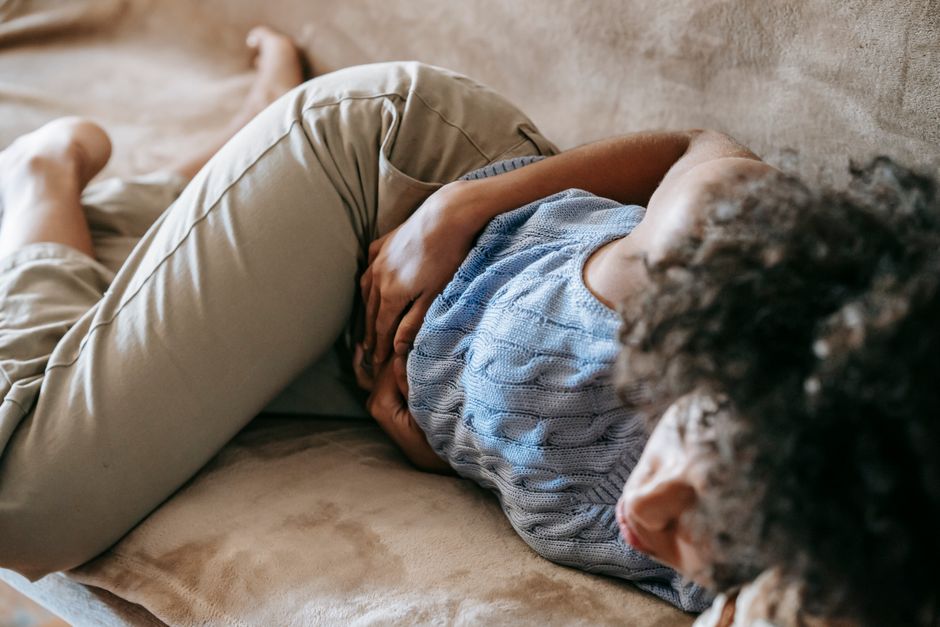
Period cramps are muscle contractions in your uterus that squeeze the blood vessels in the uterine lining. When the blood supply is briefly cut off, the tissue releases chemicals called prostaglandins, which trigger more pain and more contractions. For some women, these cramps are mild. For others, they are severe enough to stop daily life. The difference often comes down to how much prostaglandin your body produces, but other conditions can also play a role. Understanding why your cramps are bad is the first step to finding relief that actually works.
What Causes Bad Period Cramps?
Primary dysmenorrhea is the medical term for painful periods without an underlying disease of the reproductive organs. It is the most common cause of bad cramps. The pain usually starts 1 to 2 days before your period and lasts 2 to 3 days. It feels like a dull, throbbing ache in the lower belly, and it can spread to the lower back and thighs.
The main driver is prostaglandins. These hormone-like substances make the uterine muscle contract. Higher levels of prostaglandins mean stronger contractions and more pain. This is why the worst pain often happens on the first or second day of your period, when prostaglandin levels peak. As the uterine lining sheds and the levels drop, the pain usually eases.
Secondary dysmenorrhea is different. This is period pain caused by a condition in the reproductive system. The pain often starts earlier in the cycle and lasts longer than typical cramps. It can also feel different — sharper, one-sided, or constant rather than coming in waves. If your cramps have always been mild but are now getting worse, or if they start later in life, secondary dysmenorrhea becomes more likely.
When Are Bad Cramps a Sign of Something Else?
Several conditions can cause severe period pain. Endometriosis is one of the most common. In endometriosis, tissue similar to the uterine lining grows outside the uterus, often on the ovaries, fallopian tubes, or the tissue lining the pelvis. This tissue responds to the menstrual cycle and bleeds, causing inflammation, scarring, and pain. The pain can be severe and may not respond well to standard painkillers.
Uterine fibroids are noncancerous growths in the wall of the uterus. They can cause heavy bleeding and painful periods, especially if they are large or located near the uterine lining. Adenomyosis occurs when the endometrial tissue grows into the muscular wall of the uterus. This can make the uterus enlarged and cause severe, sharp cramps during periods.
Pelvic inflammatory disease (PID) is an infection of the female reproductive organs, often caused by sexually transmitted bacteria. It can cause pelvic pain that worsens during periods. An intrauterine device (IUD) can also cause cramping, particularly in the first few months after insertion.
If your pain is severe, getting worse over time, or not relieved by over-the-counter medication, it is worth discussing with a healthcare provider. No one should accept debilitating pain as normal.
What Actually Helps Relieve Period Cramps?
Nonsteroidal anti-inflammatory drugs (NSAIDs) are the first-line treatment for primary dysmenorrhea. Ibuprofen (Advil, Motrin) and naproxen (Aleve) work by blocking prostaglandin production. They work best when taken at the first sign of pain or bleeding, not after the pain becomes severe. Taking them consistently for the first day or two can keep prostaglandin levels lower and reduce the intensity of contractions.
Heat therapy is simple and effective. A heating pad or warm bath relaxes the uterine muscle and increases blood flow to the area. Some research suggests that continuous low-level heat is as effective as ibuprofen for some women. It is a safe option to combine with medication.
Regular exercise helps. Physical activity releases endorphins, which are natural painkillers, and improves blood flow. Women who exercise regularly often report less painful periods. The evidence is not strong enough to say exactly how much exercise is needed, but maintaining a routine is generally recommended.
Dietary changes may help some women. Reducing salt, caffeine, and alcohol intake before your period can reduce bloating and fluid retention. Some studies suggest that magnesium and vitamin B1 supplements may reduce cramp severity, but the evidence is not strong enough to make a firm recommendation. Omega-3 fatty acids, found in fish oil, have also shown some benefit in small studies.




Which Painkiller Is Best for Period Cramps?
Ibuprofen and naproxen are both effective for period pain. Naproxen lasts longer in the body, so it may need to be taken less often. Acetaminophen (Tylenol) can help with pain but does not reduce prostaglandin production, so it is generally considered less effective for cramps specifically.
If you have asthma, kidney disease, or a history of stomach ulcers, talk to a pharmacist or doctor before taking NSAIDs. They can irritate the stomach lining and are not safe for everyone. Always follow the dosing instructions on the label, and never take more than the recommended dose.
For women who do not get enough relief from NSAIDs, hormonal birth control is a common next step. The pill, patch, ring, or hormonal IUD can reduce prostaglandin production and thin the uterine lining, which leads to lighter periods and less pain. Some women take the pill continuously to skip periods entirely.
Do Natural Remedies for Cramps Actually Work?
Some natural approaches have better evidence than others. Heat therapy is well supported. Exercise is supported by moderate evidence. For supplements, the picture is less clear.
Magnesium has been studied for period pain. Some small trials show it can reduce pain intensity, possibly by relaxing smooth muscle and reducing prostaglandin production. However, high doses of magnesium can cause diarrhea, and the optimal dose is not well established. If you try it, start with a low dose and be aware of digestive side effects.
Ginger has shown promise in some studies. Research published in the Journal of Alternative and Complementary Medicine found that ginger powder reduced pain severity in women with primary dysmenorrhea, comparable to ibuprofen in one trial. The studies are small, but the risk of side effects is low. Ginger tea or capsules may be worth trying.
Acupuncture and acupressure have mixed evidence. Some systematic reviews suggest they may reduce pain, but the quality of the studies is generally low. If you want to try it, find a licensed practitioner, and do not stop using proven treatments without discussing it with your doctor.
Be cautious with herbal supplements. Products like chasteberry, cinnamon, and turmeric are sometimes marketed for period pain, but large, high-quality trials have not confirmed their effectiveness. No supplement has been proven to cure period pain.
When Should You See a Doctor About Period Cramps?
See a doctor if your cramps do not improve with NSAIDs. Also see a doctor if your pain is severe enough to miss school or work, if it gets progressively worse over several cycles, or if it starts after age 25 when your periods were previously painless.
Seek medical attention promptly if you have period pain along with fever, unusual vaginal discharge, fainting, or pain that is suddenly much worse than your normal pattern. These could indicate an infection or another condition that needs treatment.
If you are trying to conceive and have painful periods, it is worth discussing with a doctor earlier rather than later. Conditions like endometriosis can affect fertility, and earlier diagnosis may preserve more options.
Your doctor may recommend an ultrasound to look for fibroids, ovarian cysts, or signs of endometriosis. In some cases, a laparoscopy — a minor surgical procedure — is needed to diagnose endometriosis definitively. Treatment for secondary dysmenorrhea depends on the underlying cause.
Why Do I Get Bad Period Cramps Causes And Relief
Bad period cramps happen when your uterus contracts too strongly, usually because of high prostaglandin levels. For most women, this is primary dysmenorrhea, and it can be managed with NSAIDs, heat, and lifestyle changes. For some women, the pain signals an underlying condition like endometriosis or fibroids that needs medical evaluation.
The relief strategy that works depends on the cause. If your cramps are primary, over-the-counter medication taken early and consistently is the most effective approach. If they are secondary, treating the underlying condition is necessary. Track your symptoms, note what helps and what does not, and bring that information to your healthcare provider. You do not have to live with severe pain every month.
Frequently Asked Questions
Can bad period cramps be a sign of endometriosis?
Yes, severe cramps that do not respond to painkillers can be a sign of endometriosis. Endometriosis is diagnosed when tissue similar to the uterine lining grows outside the uterus, causing inflammation and pain.
Is it normal to throw up from period cramps?
Nausea and vomiting can happen with very strong uterine contractions because high prostaglandin levels affect the digestive tract. If you vomit regularly with your period, talk to a doctor, as this level of pain is not normal.
How long do period cramps last?
Typical primary dysmenorrhea cramps last 2 to 3 days, usually starting 1 to 2 days before bleeding begins. Pain that lasts longer than this, or starts earlier in the cycle, may indicate a secondary cause.
Can birth control stop period cramps?
Hormonal birth control often reduces or eliminates period cramps by lowering prostaglandin production and thinning the uterine lining. Many women find significant relief within a few months of starting the pill, patch, ring, or hormonal IUD.
