
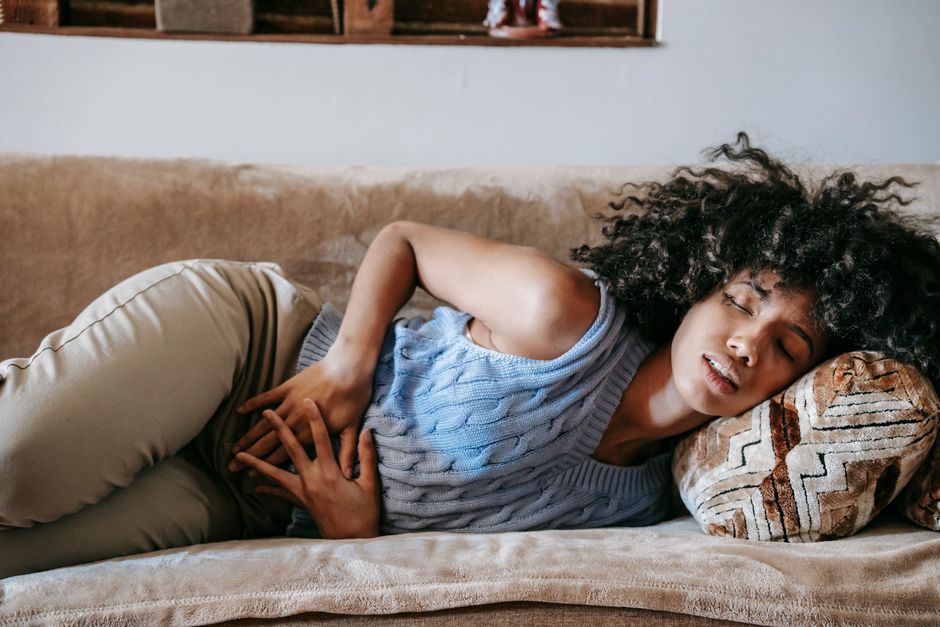
Period cramps can stop your day cold. The pain ranges from a dull ache to sharp, gripping spasms in your lower belly. For many people, the discomfort is severe enough to miss work or school. The fastest relief combines heat, over-the-counter anti-inflammatory medication, and gentle movement. Taking ibuprofen at the first sign of pain works better than waiting for cramps to peak. A heating pad on your lower abdomen relaxes the uterine muscle and improves blood flow. These methods are proven to work and can ease pain within 20 to 30 minutes.
What Causes Period Cramps In The First Place?
Menstrual cramps happen when the uterus contracts to shed its lining. These contractions are triggered by hormone-like chemicals called prostaglandins. Higher prostaglandin levels cause stronger, more painful contractions. They also reduce blood flow to the uterine lining, which creates that cramping, squeezing sensation.
Pain typically starts one to two days before your period begins and lasts two to three days. The intensity often peaks on the first day. For most people, the pain is manageable with home care. For others, it is severe enough to interfere with daily life.
Primary dysmenorrhea is the medical term for common period cramps with no underlying condition. Secondary dysmenorrhea means the pain comes from a reproductive health issue like endometriosis, fibroids, or pelvic inflammatory disease. If your cramps have always been painful, they are likely primary. If they suddenly get worse or start later in life, that deserves a medical evaluation.
How To Cope With Period Cramps And Reduce Pain Fast
Fast relief starts with the right medication taken at the right time. Nonsteroidal anti-inflammatory drugs (NSAIDs) like ibuprofen and naproxen block prostaglandin production. That directly targets the chemical causing your pain. Taking the first dose when you feel cramps coming on — or even before your period starts — works better than waiting until the pain is severe.
Heat therapy is the fastest non-drug option. A heating pad, hot water bottle, or warm bath relaxes the uterine muscle and increases blood flow. Research shows heat is comparable to ibuprofen for short-term pain relief in some people. Apply heat for 15 to 20 minutes at a time. Never fall asleep with a heating pad on high, as this can cause burns.
Gentle movement helps too. Light walking, stretching, or yoga releases endorphins, your body’s natural painkillers. Movement also improves pelvic blood flow. You do not need intense exercise. A 10-minute walk or a few hip-opening stretches can reduce cramp severity.
Avoid caffeine and salty foods during your period. Caffeine can constrict blood vessels and increase tension. Salt promotes water retention, which can worsen bloating and discomfort. Staying hydrated helps reduce bloating and may ease muscle tension.
Which Pain Relievers Work Best For Period Cramps?
Ibuprofen and naproxen are the most effective over-the-counter options. Both are NSAIDs that reduce prostaglandin production. Many gynecologists recommend taking them at the first sign of cramping, not after the pain peaks.
Acetaminophen (Tylenol) can help but works differently. It blocks pain signals in the brain but does not reduce prostaglandins. For menstrual cramps, NSAIDs are generally more effective. If you cannot take NSAIDs due to stomach issues or medication interactions, acetaminophen is a reasonable alternative.
Always follow the dosing instructions on the label. Do not take more than recommended, even if pain persists. Taking NSAIDs with food reduces stomach irritation. If you have kidney disease, stomach ulcers, or a history of gastrointestinal bleeding, talk to your doctor before using NSAIDs.
Important: Do not combine multiple NSAIDs. Taking ibuprofen and naproxen together increases the risk of stomach damage without adding pain relief. Choose one and stick with it.




How Long Does Period Pain Actually Last?
Typical cramps last 48 to 72 hours. The pain usually starts just before bleeding begins and peaks within the first 24 hours. By day three, most people notice significant improvement.
If your pain lasts beyond three days or does not respond to over-the-counter medication, that is not normal. Persistent pain warrants a medical evaluation. Similarly, if you need to miss work or school regularly because of cramps, that is a sign your pain is not being managed effectively.
Some people find their pain pattern changes over time. Pregnancy, hormonal birth control, and age can all affect cramp severity. Cramps often improve after childbirth, though the reason is not fully understood.
When Should You See A Doctor About Period Cramps?
See a doctor if your cramps do not improve with standard treatment. This includes taking NSAIDs at the correct dose and using heat therapy. If you are going through multiple doses of pain medication and still cannot function, that is a red flag.
Seek medical attention immediately if you experience any of these symptoms alongside cramps:
- Fever or chills
- Heavy bleeding that soaks through a pad or tampon every hour
- Severe pain that comes on suddenly
- Fainting or dizziness
- Pain that radiates down your legs or into your back
These symptoms can indicate a more serious condition like an ectopic pregnancy, pelvic infection, or ovarian cyst rupture. Do not wait to see if they pass.
For chronic, severe cramps, your doctor may recommend hormonal birth control. The pill, patch, or hormonal IUD can reduce prostaglandin production and thin the uterine lining. Many people report significantly lighter periods and less pain with these methods. This is a decision to make with your healthcare provider, not based on general advice.
Do Supplements Or Diet Changes Help With Cramps?
Some evidence supports magnesium for cramp relief. Magnesium helps relax muscles and may reduce the severity of contractions. Some studies suggest magnesium supplements can reduce period pain, though the effect is modest. Food sources include leafy greens, nuts, seeds, and whole grains.
Vitamin B1 (thiamine) and vitamin E have also been studied for menstrual pain. Some research shows benefit, but the evidence is less consistent than for NSAIDs or heat. These supplements are not a replacement for proven treatments.
Omega-3 fatty acids found in fish oil may reduce inflammation and prostaglandin production. Some studies show reduced cramp severity with regular omega-3 supplementation. The effect takes several weeks to build, so this is not a fast-acting option.
Here is the honest part: no supplement has been proven to work as well as ibuprofen or heat for acute pain. Supplements may help over time, but they will not stop an active cramp episode. If you try supplements, give them two to three months before judging their effect. Always tell your doctor about any supplements you take, especially if you are trying to conceive or could be pregnant.
What Makes Period Cramps Worse?
Smoking is strongly linked to more severe menstrual pain. Nicotine reduces blood flow and increases prostaglandin production. If you smoke and have severe cramps, quitting may improve your symptoms more than any medication.
High stress levels worsen cramp perception. Stress hormones increase muscle tension and lower your pain threshold. This does not mean cramps are “in your head” — it means your body’s stress response amplifies existing pain. Stress reduction techniques like deep breathing or meditation can help during your period.
Lack of sleep also makes pain feel worse. Sleep deprivation lowers pain tolerance and increases inflammation. Prioritizing sleep in the days before your period may reduce cramp severity.
Being overweight is associated with more painful periods, though the reason is not fully clear. Fat tissue produces estrogen, which can make the uterine lining thicker and increase prostaglandin production. Weight loss may improve cramps, but this is not a quick fix.
Frequently Asked Questions
Does a heating pad actually stop period cramps?
Yes, heat therapy relaxes the uterine muscle and improves blood flow, which reduces cramp severity. It works within 15 to 20 minutes and is comparable to ibuprofen for short-term relief in many people.
Is ibuprofen or acetaminophen better for period cramps?
Ibuprofen is generally more effective because it blocks prostaglandin production, the chemical that causes uterine contractions. Acetaminophen only blocks pain signals and does not address the underlying cause.
Can exercise make period cramps worse?
Gentle exercise like walking or stretching usually helps by releasing endorphins and improving blood flow. High-intensity exercise may worsen cramps in some people, so listen to your body and keep movement light during your period.
When should I worry about period cramps?
Worry if pain does not improve with NSAIDs and heat, lasts more than three days, or comes with fever, heavy bleeding, or fainting. Sudden severe pain or pain that radiates into your back or legs also requires medical evaluation.
