
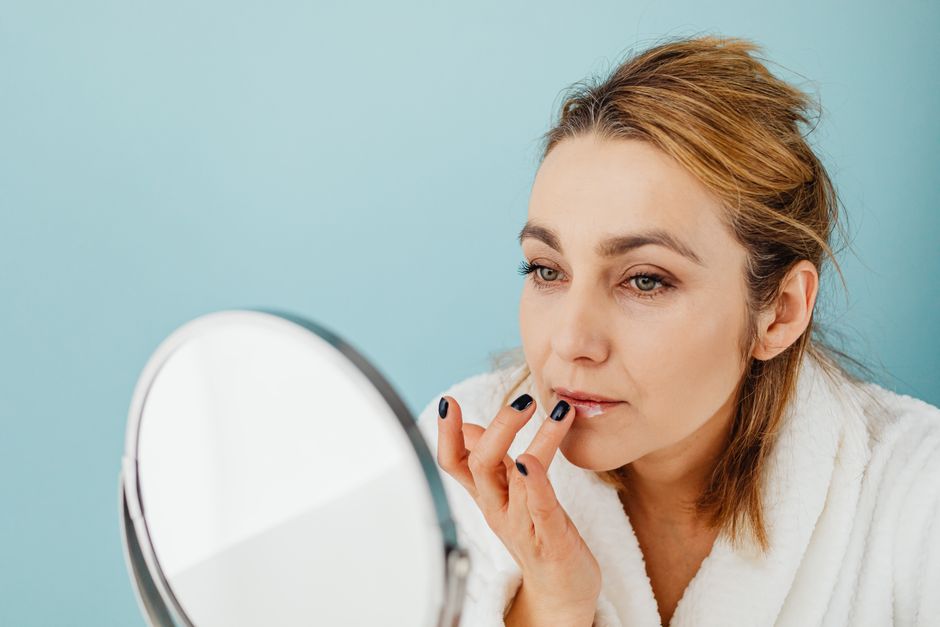
Peeling lips are painful, distracting, and frustrating. You might be tempted to scrub them or pick at the dead skin, but that usually makes things worse. The fastest way to heal peeling lips is to stop the cause, protect the damaged skin, and let your lips repair themselves. This means avoiding harsh ingredients, using a simple occlusive balm, and giving your lips time to rebuild. Here is what actually works based on how lip skin functions and what dermatologists consistently recommend.
Why Do Lips Peel in the First Place?
Your lips do not have oil glands. Unlike the rest of your skin, they cannot produce their own moisture barrier. They rely entirely on a thin outer layer and whatever you put on them to stay hydrated.
Because that outer layer is so thin, water evaporates from your lips faster than anywhere else on your body. When moisture leaves faster than it can be replaced, the skin dries out, shrinks, and begins to flake. This is not a sign of poor hygiene. It is a structural limitation of lip tissue.
Saliva makes this worse. When you lick your lips, the saliva evaporates and takes even more moisture with it. The enzymes in saliva also break down the delicate skin. Frequent licking is one of the most common causes of persistent peeling.
What Is the Quickest Way to Heal Peeling Lips?
The fastest approach is to remove the cause and lock in moisture. If your lips are peeling because of dry air, cold weather, or licking, stop those behaviors and apply a thick barrier balm immediately.
Look for a product that contains petrolatum, dimethicone, or beeswax. These are occlusive ingredients. They sit on the surface of the lip and physically block water from escaping. This is the single most effective step you can take.
Apply the balm generously and reapply throughout the day. There is no clinical guideline for how often you should reapply, but a good rule is to apply whenever your lips feel tight or dry. Before bed is especially important because your lips lose moisture all night while you are not drinking water.
Most simple peeling caused by dry conditions improves within two to three days of consistent balm use. If you have been licking your lips, the improvement may take closer to a week because the damage is deeper.
Should You Exfoliate Peeling Lips?
No. Scrubbing peeling lip skin with a toothbrush, sugar scrub, or washcloth is a common mistake that delays healing.
When lip skin peels, the visible flakes are dead cells that are still partially attached to living tissue underneath. Pulling or scrubbing them off removes that living layer too. This creates a fresh wound, increases inflammation, and makes the peeling worse.
Instead of scrubbing, let the dead skin detach on its own. A thick balm will soften the flakes and allow them to slough off naturally over a day or two. This is slower than scrubbing, but it is the difference between healing and re-injuring the area.
If the flaking is so thick that it is uncomfortable, you can apply a warm damp cloth to the lips for a few minutes to soften the skin. Gently wipe the loose flakes away without pressure. Never pull at skin that is still attached.



Which Ingredients Actually Help Heal Lips?
Some ingredients have strong evidence behind them. Others are marketing. Knowing the difference will save you money and frustration.
Petrolatum is the gold standard. It reduces water loss by more than 98 percent in laboratory tests. It has no active healing properties, but it creates the ideal environment for your lips to repair themselves.
Dimethicone is a silicone that works similarly. It forms a breathable barrier and is often used in lighter balms.
Beeswax provides a semi-occlusive barrier. It is slightly less effective than petrolatum but still works well and feels more natural.
Shea butter and cocoa butter are emollients. They soften the skin and fill in gaps between skin cells, but they do not prevent water loss as effectively as occlusives.
Ceramides are lipids naturally found in skin. Some research suggests they help restore the skin barrier, but lip balm studies are limited. They are not harmful, and they may help, but the evidence for their superiority over plain petrolatum is not established.
What Ingredients Make Peeling Lips Worse?
Several ingredients are known irritants for damaged lip skin. Avoid them while your lips are healing.
Fragrance and flavorings are common triggers. Menthol, peppermint, cinnamon, and citrus oils are especially irritating. They create a cooling or tingling sensation that feels like the product is working, but that sensation is actually mild irritation.
Camphor and phenol are sometimes added to lip balms for their numbing effect. They are not appropriate for daily use on damaged skin.
Salicylic acid and lactic acid are exfoliating ingredients. They intentionally shed skin cells. On healthy lips this might smooth texture, but on peeling lips it accelerates the damage.
Lanolin is effective for many people, but it can cause allergic contact dermatitis in some. If your lips get worse after using a lanolin-based balm, stop using it.
Check the ingredient list. A simple balm with three to five ingredients is usually safer than one with forty.
How To Heal Peeling Lips Tips That Actually Work
Here is the practical routine that dermatologists consistently recommend for peeling lips.
- Stop licking, biting, or picking at your lips. This is the hardest but most important step.
- Apply a thick occlusive balm immediately and reapply throughout the day.
- Use a petrolatum-based product at night. Apply a generous layer before sleep.
- Do not scrub or exfoliate until the peeling has completely stopped.
- Drink water normally. Dehydration can contribute to dry lips, but drinking extra water will not fix lips that are already damaged.
- Use a humidifier in your bedroom if your indoor air is dry, especially in winter.
- Protect your lips from sun exposure. Sun damage weakens the skin barrier and slows healing.
If you follow this routine, simple peeling lips should feel significantly better within a few days. Complete healing may take one to two weeks depending on how much damage was done.
When Is Peeling Lips a Sign of Something Else?
Most peeling lips are caused by environment or behavior. But persistent peeling can be a symptom of a medical condition.
Cheilitis is the medical term for lip inflammation. Angular cheilitis affects the corners of the mouth and causes cracking, redness, and sometimes small sores. It is often caused by a fungal or bacterial infection and requires medical treatment, not just balm.
Allergic contact dermatitis can cause peeling lips if you are reacting to something in your toothpaste, lipstick, or lip balm. If your lips peel despite consistent balm use, consider switching to a toothpaste without flavoring or a lip product with fewer ingredients.
Vitamin deficiencies are sometimes linked to cracked lips, particularly deficiencies in B vitamins, iron, or zinc. However, this is not common in people who eat a varied diet. Do not assume a deficiency is the cause without talking to a doctor and getting tested.
See a doctor or dermatologist if your lips are peeling for more than two to three weeks despite consistent care, if the peeling is accompanied by pain, bleeding, or sores, or if you have peeling in other areas of your body.
Can Sunscreen Help Peeling Lips?
Yes, but only for prevention, not immediate healing. Sun exposure damages the already fragile lip skin and slows the repair process.
Look for a lip balm with SPF 30 or higher. Zinc oxide or titanium dioxide are the most stable sunscreen ingredients for lip products. Reapply it as often as you would regular sunscreen, especially if you are outdoors.
If your lips are already peeling, applying a sun-protective balm is still beneficial. It prevents further damage while the skin heals.
Does Drinking Water Fix Peeling Lips?
Only if dehydration is the cause. Mild dehydration can contribute to dry skin overall, including the lips. But most people with peeling lips are not clinically dehydrated.
Drinking water is good for you, and you should do it regularly. But if your lips are peeling because of cold weather, lip licking, or an irritant in your lip balm, no amount of water will fix that. The moisture has to be trapped at the surface with a balm.
Frequently Asked Questions
How long does it take for peeling lips to heal?
Simple peeling from dry conditions typically improves within two to three days of consistent balm use. If the damage is deeper, such as from chronic lip licking, it may take up to two weeks.
Is it bad to pick off peeling lip skin?
Yes. Picking or pulling at peeling lip skin removes living tissue underneath and creates a fresh wound. This makes the peeling worse and delays healing.
What is the best lip balm for peeling lips?
A petrolatum-based product is the most effective option because it prevents water loss better than any other ingredient. Simple formulas without fragrance, flavoring, or exfoliating acids are safest.
Why do my lips keep peeling no matter what I use?
You may be reacting to an ingredient in your lip product, toothpaste, or lipstick, or you may be licking your lips without realizing it. If peeling persists for more than three weeks, see a doctor to rule out cheilitis or an allergy.
