
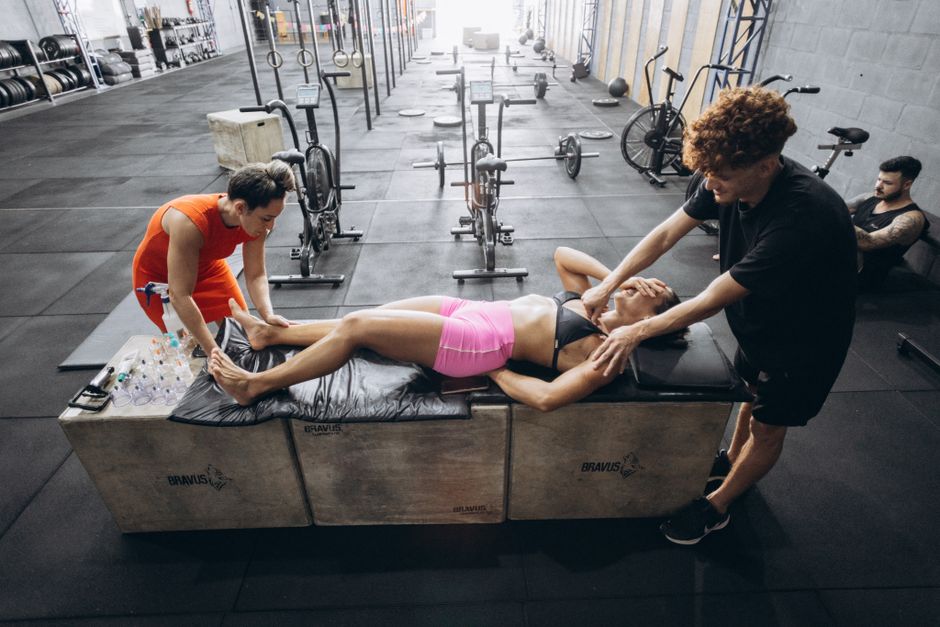
Muscle soreness after a workout is normal, but you do not have to just suffer through it. Speeding up muscle recovery comes down to a few evidence-backed methods: active recovery, proper protein timing, and quality sleep. Most of what you see on social media is overhyped or simply wrong. The real answers are simpler and cheaper than influencers want you to believe.
What Actually Causes Muscle Soreness?
Muscle soreness is not caused by lactic acid. That is an old myth that keeps getting repeated. Research has shown that lactic acid clears from your muscles within an hour of stopping exercise. The real cause is microscopic damage to muscle fibers. When you push hard, especially with new or intense movements, you create tiny tears in the tissue.
Your body responds by sending immune cells to clean up and repair the damage. That process creates inflammation and swelling. You feel that as soreness. It peaks around 24 to 72 hours after exercise. This is called delayed onset muscle soreness, or DOMS.
The soreness itself is not harmful. It is a sign that your muscles are adapting and getting stronger. The goal of recovery is not to eliminate soreness completely. It is to support the repair process so you can train again sooner without injury.
Does Active Recovery Actually Work?
Yes, active recovery works. Studies have found that low-intensity movement after a hard workout can reduce soreness and speed up recovery. The key is keeping the intensity low. Walking, light cycling, or gentle swimming for 15 to 20 minutes can increase blood flow without adding more damage to the muscles.
Blood flow brings oxygen and nutrients to the damaged tissue. It also helps remove waste products from the inflammatory process. A 2018 review in the Journal of Sports Medicine found that active recovery was more effective than passive rest for reducing muscle soreness in the 24 to 48 hours after exercise.
Do not confuse active recovery with going hard again. If you feel sore and push through another intense workout, you are not recovering. You are digging a deeper hole. Keep the movement easy. You should be able to hold a conversation while doing it.
How To Speed Up Muscle Recovery What Actually Works for Nutrition
Protein timing matters more than total protein for recovery. Research shows that consuming 20 to 40 grams of protein within two hours after exercise maximizes muscle protein synthesis. That is the process where your body repairs and builds new muscle tissue. The American College of Sports Medicine recommends this window for serious athletes and regular gym-goers alike.
Carbohydrates also play a role. After a workout, your glycogen stores are depleted. Replenishing them helps your muscles recover faster. A 2015 study in the Journal of the International Society of Sports Nutrition found that combining protein and carbs after exercise improved recovery more than protein alone.
Here is a simple breakdown of what works for post-workout nutrition:
- Protein: 20-40 grams within 2 hours of exercise
- Carbs: 30-60 grams for moderate workouts, more for long endurance sessions
- Hydration: Drink enough to replace what you lost through sweat
- Timing: Earlier is better, but any protein is better than none
Whole foods work just as well as supplements. A chicken breast with rice or Greek yogurt with fruit will do the job. You do not need expensive powders or bars unless they are more convenient for you.




What Does Research Say About Ice Baths and Cold Therapy?
Cold therapy is one of the most debated topics in recovery research. Some studies suggest ice baths reduce soreness after intense exercise. But the reason might not be what you think. Cold therapy numbs the area and reduces swelling temporarily. That can make you feel better in the short term.
However, a 2015 review in the European Journal of Applied Physiology found that cold water immersion may actually blunt the muscle adaptation process. If you consistently use ice baths after strength training, you might see less muscle growth over time. The inflammation your body creates is part of the adaptation signal. Blocking it too much can interfere with long-term gains.
For elite athletes who need to compete again the next day, cold therapy can be useful. For most people training a few times a week, skipping the ice bath is probably fine. If you enjoy it and it helps you feel better, there is no harm. Just know it might not be helping your muscles get stronger in the long run.
What About Stretching and Foam Rolling?
Static stretching before exercise does not prevent soreness. That is well established. Stretching a cold muscle can actually increase injury risk. Save static stretching for after your workout or on rest days. A 2011 Cochrane review found that stretching before or after exercise does not reduce muscle soreness in the days following.
Foam rolling is different. Some evidence suggests foam rolling can reduce soreness and improve range of motion after exercise. A 2015 study in the Journal of Athletic Training found that foam rolling after a workout reduced soreness by about 30 percent compared to not rolling. The effect seems to come from increasing blood flow and reducing muscle tension rather than actually changing the muscle tissue.
Dynamic stretching — moving through controlled motions — is more useful before a workout. Leg swings, walking lunges, and arm circles prepare the muscles for movement. This can reduce injury risk but does not directly speed up recovery.
Here is a comparison of common recovery methods and what the evidence says:
| Method | Evidence Level | Best Use |
|---|---|---|
| Active recovery | Strong | Day after hard workout |
| Protein timing | Strong | Within 2 hours post-exercise |
| Foam rolling | Moderate | Immediately after workout |
| Ice baths | Mixed | Competition athletes only |
| Static stretching | Weak | After workout, not for soreness |
| Massage | Moderate | 48 hours after intense exercise |
What Is the Role of Sleep in Muscle Recovery?
Sleep is the single most underrated recovery tool. During deep sleep, your body releases growth hormone, which is essential for muscle repair. A 2019 study in the Journal of Sleep Research found that athletes who slept less than seven hours per night had slower recovery times and higher cortisol levels than those who slept eight to nine hours.
Cortisol is a stress hormone that breaks down muscle tissue. When you do not sleep enough, cortisol stays elevated. That directly interferes with the repair process. You can eat perfectly and do all the right recovery methods, but if you are sleep deprived, your muscles will not recover fully.
Most adults need seven to nine hours of quality sleep per night. Consistency matters more than total hours. Going to bed and waking up at the same time helps regulate your circadian rhythm. Avoiding screens for 30 minutes before bed and keeping your room cool also improve sleep quality.
What Common Recovery Myths Should You Ignore?
Many popular recovery products and methods have little to no evidence behind them. Compression garments, for example, are widely used but the research is mixed. Some studies show a small reduction in soreness, while others find no benefit compared to regular clothing. They are not harmful, but they are not a magic solution.
Electrolyte drinks are another overhyped product. Unless you are exercising for more than 90 minutes in the heat, plain water is usually enough. Most sports drinks contain sugar that you do not need after a moderate workout. The same goes for BCAAs (branched-chain amino acids). If you are eating enough protein, you are already getting plenty of BCAAs from food.
Some people claim that taking anti-inflammatory drugs like ibuprofen after exercise speeds up recovery. This is not supported by evidence. In fact, a 2017 study in the American Journal of Physiology found that NSAIDs can impair muscle protein synthesis and delay recovery. Your body needs some inflammation to repair itself properly.
Frequently Asked Questions
Should I stretch before or after a workout?
Do dynamic stretching before exercise and static stretching after. Static stretching on cold muscles does not prevent soreness or injury.
How much protein do I need after a workout?
Twenty to 40 grams of protein within two hours after exercise is ideal. Whole food sources work as well as supplements.
Are ice baths good for muscle recovery?
Ice baths can reduce soreness short-term but may blunt muscle growth over time. They are best for athletes who need to compete again soon.
Does foam rolling actually help recovery?
Some evidence shows foam rolling reduces soreness by about 30 percent. It works best when done right after a workout.
