
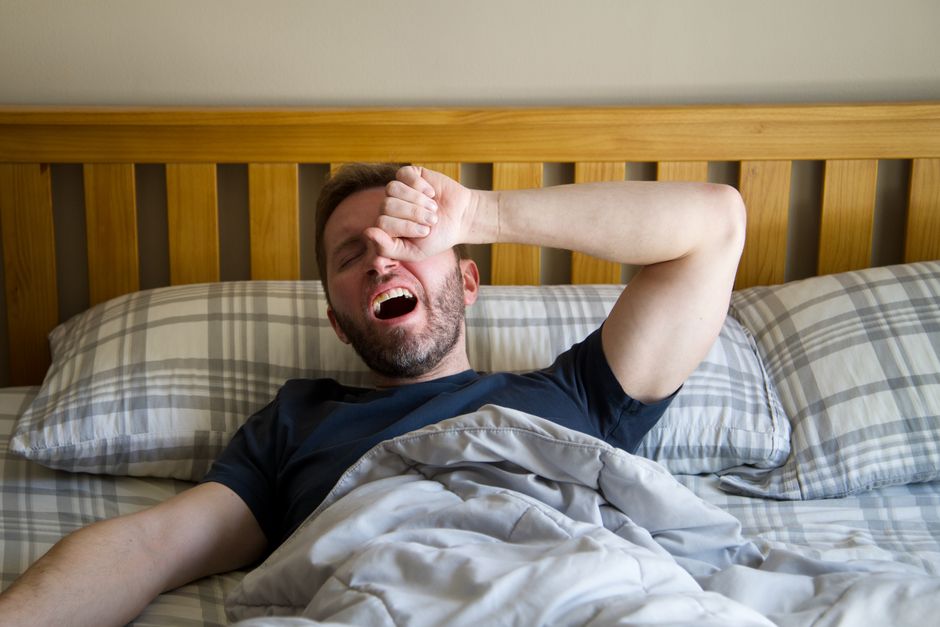
Waking up with tired, puffy, or dry eyes is a common complaint, but the standard advice you find online is often vague or just plain wrong. The real fix is not about expensive eye creams or trendy gadgets. It is about understanding what is actually causing the problem in the first place and addressing those specific factors. This article breaks down the research-backed strategies that genuinely help, from simple morning routines to changes in your environment, and it will help you separate what works from what is a waste of time.
What Actually Causes Morning Eye Tiredness?
Most people blame a bad night of sleep for tired eyes, and that is often part of it. But the cause is usually more specific. Research published in the journal Ophthalmology found that overnight eyelid closure reduces oxygen flow to the cornea and disrupts the tear film. This is why eyes feel dry and gritty upon waking.
Another major factor is fluid distribution. When you lie flat, fluid that normally pools in your legs during the day moves to your head and around your eyes. The American Academy of Ophthalmology explains that this is why you wake up with puffy eyelids. It is not a sign of a health problem for most people, but it does cause that heavy, tired look and feel.
Screen use before bed also plays a role. Blue light exposure suppresses melatonin, which can reduce sleep quality. But more directly, staring at a screen reduces blink rate. Fewer blinks mean more tear evaporation. You go to bed with eyes that are already irritated, and eight hours of sleep does not fully reset that.
Does How To Wake Up Tired Eyes Tips That Actually Work Really Help?
Some of the most popular tips for waking up tired eyes have real science behind them. Others are harmless but do very little. The key is knowing which is which.
Cold compresses are one of the most effective immediate fixes. Constricting blood vessels reduces puffiness and redness quickly. A 2018 study in Clinical Ophthalmology found that cooling the periorbital area for ten minutes significantly reduced eyelid edema. You can use a clean washcloth soaked in cold water or chilled cucumber slices. Just do not use ice directly on the skin.
Lubricating eye drops, specifically preservative-free artificial tears, are another winner. They replenish the tear film that breaks down overnight. The American Optometric Association recommends using them immediately after waking and before any screen time. Avoid drops labeled for redness relief, as they contain vasoconstrictors that can cause rebound redness with regular use.
What about eye massages and acupressure? Some people report relief, but strong clinical evidence is limited. A small 2020 study in Journal of Integrative Medicine suggested that gentle massage around the orbital bone increased blood flow, which may reduce the sensation of tiredness. It is not a cure, but it is safe to try as part of a routine.
What Does Research Show About Hydration and Diet for Tired Eyes?
Hydration is often cited as a fix for tired eyes, but the relationship is more nuanced than “drink more water.” The tear film is 98 percent water, but it also contains oils and mucus that prevent evaporation. Drinking extra water does not automatically improve your tear quality if you are already adequately hydrated.
Research from the Journal of Clinical Medicine in 2021 found that chronic dehydration can reduce tear volume, but only in people who are significantly under-hydrated. For most adults who drink when thirsty, adding more water will not change how your eyes feel in the morning.
What does help is dietary fat. The meibomian glands in your eyelids produce the oily layer of your tears. Omega-3 fatty acids, found in fish like salmon and sardines, support gland function. A 2019 systematic review in Cornea concluded that omega-3 supplementation improved dry eye symptoms, including morning discomfort. If you eat fish twice a week or take a quality fish oil supplement, you may notice a difference within a few weeks.
Caffeine is worth mentioning here. It is a diuretic, meaning it can dehydrate you. But a standard cup of coffee in the morning is not going to worsen tired eyes for most people. The bigger issue is alcohol the night before. Alcohol suppresses antidiuretic hormone, leading to increased fluid loss and puffier eyes in the morning.




What Environmental Changes Reduce Morning Eye Fatigue?
Your bedroom environment matters more than most people realize. Dry air is a major culprit. Heating and air conditioning reduce humidity, which accelerates tear evaporation overnight. The ideal indoor humidity for eye comfort is between 40 and 60 percent. A simple humidifier in your bedroom can make a noticeable difference.
Allergens in the bedroom are another overlooked cause. Dust mites, pet dander, and mold can trigger mild allergic reactions that show up as red, itchy, or puffy eyes in the morning. The Asthma and Allergy Foundation of America recommends washing sheets in hot water weekly and using allergen-proof covers on pillows and mattresses.
Light exposure during sleep also matters. Even small amounts of light through curtains can disrupt sleep cycles and affect eye recovery. A 2022 study in Sleep Health found that people who slept in complete darkness reported better morning eye comfort. Blackout curtains or a quality sleep mask are worth trying.
Your pillow position can also contribute. Sleeping on your stomach or with your face pressed into a pillow increases pressure on the eyes and can cause fluid buildup. Sleeping on your back with an extra pillow to slightly elevate your head helps gravity drain fluid away from your eyes. This is a simple adjustment that many people find effective.
How Do Morning Routines Compare for Tired Eyes?
Different morning habits affect your eyes differently. The table below compares common approaches based on what the evidence actually shows.
| Method | What It Does | Evidence Level | Time to Effect |
|---|---|---|---|
| Cold compress | Constricts blood vessels, reduces puffiness | Strong | 5-10 minutes |
| Preservative-free eye drops | Replenishes tear film | Strong | Immediate |
| Gentle eye massage | Increases blood flow | Moderate | 10-15 minutes |
| Elevated head sleeping | Reduces fluid pooling | Strong | Next morning |
| Omega-3 supplements | Improves tear oil quality | Moderate | 2-4 weeks |
| Caffeine eye creams | Temporary tightening of skin | Weak | 30-60 minutes |
Notice that the most effective methods are also the simplest and cheapest. Cold compresses and artificial tears work within minutes. Changing your sleeping position costs nothing. The things that take the longest, like dietary changes, address the underlying issue rather than just masking the symptom.
What Should You Avoid When Trying to Wake Up Tired Eyes?
There is a lot of bad advice out there. Some popular tips can actually make things worse.
- Avoid eye creams with caffeine and retinol for morning use. Caffeine can temporarily tighten skin, but it can also irritate the eye surface if it migrates. Retinol, while good for anti-aging, thins the skin and can increase sensitivity and redness around the eyes. Save these products for nighttime use only.
- Do not rub your eyes vigorously. Rubbing can break tiny blood vessels under the skin, causing dark circles that look like tired eyes. It can also worsen puffiness by stimulating histamine release. If your eyes itch, use a cold compress instead.
- Avoid sleeping with contact lenses in. This is one of the most common causes of morning eye discomfort and infection. The CDC reports that sleeping in contacts increases the risk of keratitis, a serious corneal infection, by six to eight times. Even lenses labeled for extended wear should be removed at night when possible.
- Stop using “redness relief” eye drops daily. These drops contain tetrahydrozoline, a vasoconstrictor that shrinks blood vessels. With regular use, your blood vessels become dependent on the drug, and you get worse redness when it wears off. This is called rebound hyperemia. Use them only for special occasions, not every morning.
Another common myth is that splashing cold water on your face is enough. It feels refreshing, but it does not last long. The water does not stay on your eyes long enough to constrict vessels meaningfully. You are better off with a proper cold compress for five minutes.
When Should You See a Doctor for Morning Eye Issues?
Most morning eye tiredness is normal and responds to the tips above. But some symptoms warrant a professional evaluation. If you wake up with persistent pain, blurred vision that does not clear after blinking, or discharge that is thick or green, see an eye doctor. These can be signs of infection or dry eye disease that needs treatment beyond home care.
Chronic dry eye is a real medical condition. The Tear Film and Ocular Surface Society reports that dry eye disease affects up to 30 percent of adults over 50. Symptoms include a gritty sensation, burning, and fluctuating vision. If your morning eye discomfort does not improve with the strategies in this article after a few weeks, consider asking your doctor about punctal plugs or prescription drops like cyclosporine.
Thyroid eye disease is another possibility, especially if you have bulging eyes, retracted eyelids, or puffiness that does not go away as the day goes on. This condition requires an endocrinologist or ophthalmologist for proper management. It is not common, but it is worth knowing about if your morning eye issues feel extreme.
Frequently Asked Questions
How long should I use a cold compress for tired eyes?
Apply a cold compress for five to ten minutes. Longer than that can reduce blood flow too much and cause discomfort.
Can lack of sleep alone cause tired eyes every morning?
Yes, but it is usually combined with other factors like dry air or screen use. Fixing sleep alone may not resolve all symptoms.
Are gel eye masks better than washcloths for tired eyes?
Gel masks stay cold longer, but a clean washcloth works just as well. The key is the cold temperature, not the material.
Do blue light glasses help with morning eye fatigue?
Blue light glasses do not help with morning fatigue directly. They may improve sleep quality if used before bed, which can indirectly help.
