
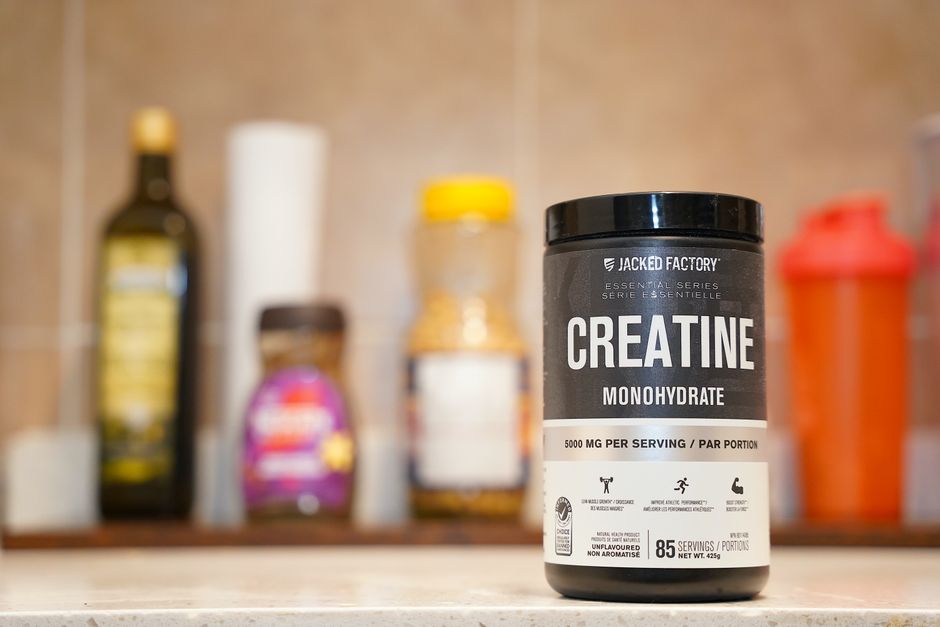
Creatine is one of the most researched supplements in the world, with decades of evidence backing its ability to improve strength, power, and muscle mass. To maximize results, you need to take 3 to 5 grams daily, stay consistent, and pair it with a resistance training program that progressively gets harder. The timing matters less than the habit of taking it every single day, and loading phases are optional for most people.
What Is the Right Dose of Creatine for Best Results?
Research published in the Journal of the International Society of Sports Nutrition recommends a daily dose of 3 to 5 grams of creatine monohydrate. This is the most studied form and the one that works reliably. Higher doses do not produce better results for most people.
Some people try a loading phase where they take 20 grams per day for the first 5 to 7 days. This saturates your muscles faster, usually within a week instead of three to four weeks. But it can cause bloating and stomach discomfort for some. The slow approach of 3 to 5 grams daily works just as well over time without the side effects.
Your body weight matters slightly. A 200-pound person may need closer to 5 grams, while a 130-pound person may do fine with 3 grams. The difference is small enough that sticking with one scoop of 5 grams daily is the simplest approach for almost anyone.
Does Timing Matter When You Take Creatine?
Studies have not found a clear advantage to taking creatine at a specific time of day. What matters more is taking it consistently. If you forget doses regularly, you will not maintain full muscle saturation.
Some research suggests taking creatine close to your workout, either before or after, may offer a slight edge. A 2013 study in the Journal of the International Society of Sports Nutrition found that taking creatine after exercise led to slightly better gains in lean mass and strength compared to taking it before. The difference was small but worth noting.
The real takeaway is simple. Pick a time that fits your routine and stick with it. If you train in the morning, take it then. If you train in the evening, take it then. Consistency beats perfect timing every time.
Should You Cycle Creatine or Take Breaks?
There is no evidence that cycling creatine improves results. The American College of Sports Medicine has stated that long-term creatine use is safe when taken at recommended doses. Taking breaks does not help your body respond better when you restart.
Creatine works by saturating your muscle cells. Once your muscles are full, you need a maintenance dose to keep them that way. If you stop taking it, levels slowly drop back to normal over several weeks. You then have to go through the saturation process again, which wastes time.
Some people believe cycling prevents your body from becoming dependent on creatine. That is not how it works. Creatine is a naturally occurring compound found in meat and fish. Your body produces it on its own. Supplementing just raises levels higher than what diet alone provides.





How To Maximize Creatine Results That Actually Work With Training
Creatine does not build muscle on its own. It helps you train harder and recover faster between sets, which leads to more muscle growth over time. If your training program does not challenge your muscles progressively, creatine will not do much for you.
Focus on compound lifts like squats, deadlifts, bench presses, and rows. These exercises recruit the most muscle fibers and benefit the most from the extra energy creatine provides. Research shows that strength gains from creatine are most noticeable in high-intensity, short-duration activities like weightlifting and sprinting.
Progressive overload is non-negotiable. You need to add weight, reps, or sets over time. Creatine helps you push through those last few reps that stimulate growth. Without that push, you leave gains on the table.
What About Diet and Hydration With Creatine?
Creatine pulls water into your muscle cells. That is part of how it works. But it also means you need to stay well hydrated. Dehydration can blunt performance and increase the risk of cramps, though research on cramping is mixed.
Protein intake matters too. Creatine and protein work together. A 2020 review in Nutrients noted that creatine supplementation combined with adequate protein intake supports greater muscle hypertrophy than either alone. You do not need a massive amount, but aiming for 1.6 to 2.2 grams of protein per kilogram of body weight is a solid target.
Carbohydrates may help with creatine uptake. Insulin spikes from carbs can shuttle creatine into muscle cells more efficiently. This is why some people take creatine with a carb-rich drink or after a meal. It is not required, but it can help, especially during the loading phase.
What Are the Most Common Mistakes People Make With Creatine?
The biggest mistake is inconsistency. People take creatine for a few days, miss a week, and wonder why they do not see results. Muscle saturation takes time. Missing doses resets the clock.
Another mistake is using the wrong type. Creatine monohydrate is the gold standard. Other forms like creatine ethyl ester or buffered creatine are marketed as better but research does not back those claims. A 2012 study in the Journal of the International Society of Sports Nutrition found that creatine ethyl ester was less effective than monohydrate at raising muscle creatine levels.
Some people also take too much. More than 5 grams daily does not provide extra benefit and can cause stomach upset. Your muscles can only hold so much creatine. Excess is simply excreted in urine.
| Factor | What Works | What Does Not |
|---|---|---|
| Dose | 3-5 grams daily | More than 5 grams |
| Type | Creatine monohydrate | Buffered or ethyl ester forms |
| Timing | Consistent daily intake | Obsessing over pre vs post workout |
| Training | Progressive overload with compound lifts | Random light workouts |
| Hydration | Adequate water intake | Ignoring fluid needs |
Common Misconceptions About Creatine You Should Ignore
One of the most persistent myths is that creatine damages your kidneys. The evidence does not support this. The National Institutes of Health has stated that creatine is safe for healthy individuals at recommended doses. People with pre-existing kidney disease should consult a doctor, but for most people, there is no risk.
Another myth is that creatine causes hair loss. This comes from a single small study from 2009 that found a slight increase in a hormone linked to hair loss. Larger and more recent studies have not confirmed this. The connection remains speculative at best.
Some people also believe creatine is a steroid. It is not. Creatine is a combination of three amino acids: arginine, glycine, and methionine. It is found naturally in food and produced by your body. Steroids are synthetic hormones with a completely different mechanism and risk profile.
Frequently Asked Questions
Can I take creatine without working out?
Yes, but you will not see muscle or strength gains. Creatine may still improve brain function in some studies, but the main benefits require exercise.
How long does it take for creatine to work?
With a loading phase you may notice effects within a week. With 3 to 5 grams daily it takes about three to four weeks for full saturation.
Is it safe to take creatine every day?
Yes, long-term daily use at recommended doses is safe for healthy adults according to multiple health organizations.
Can women take creatine?
Yes, creatine works the same way in women and can help with strength, muscle tone, and recovery.
