
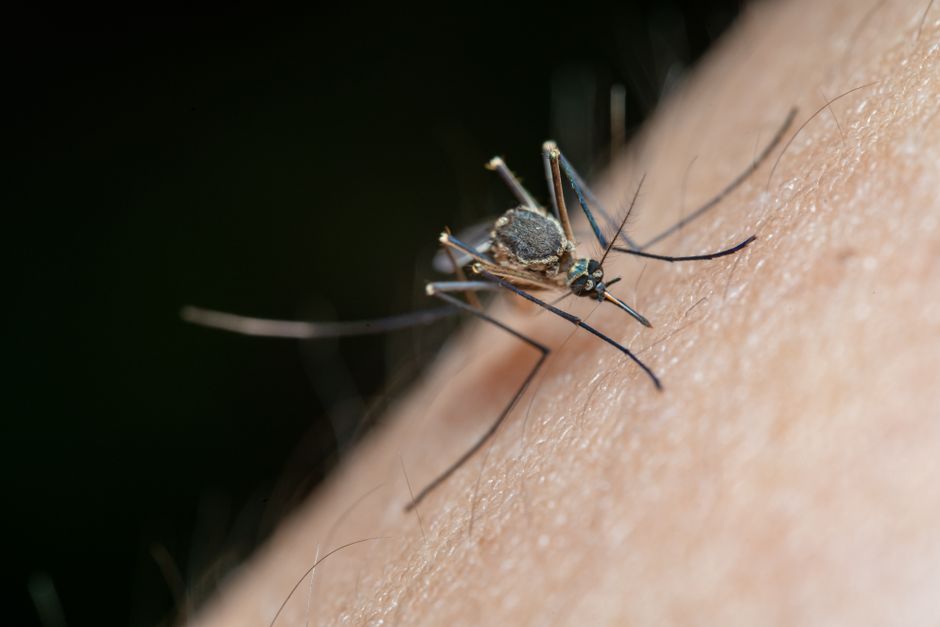
Mosquito bites are annoying. The itch is intense, and it can last for days. You want relief now, not later. The fastest way to heal a mosquito bite is to wash the area with soap and water, apply a cold compress for 10 minutes, and then use an over-the-counter hydrocortisone cream or oral antihistamine to stop the itch. Acting within the first hour reduces swelling and shortens how long the bite bothers you.
Why Do Mosquito Bites Itch So Much?
When a female mosquito bites you, she injects saliva into your skin. Her saliva contains proteins that keep your blood from clotting while she feeds. Your immune system recognizes these proteins as foreign invaders.
Your body releases histamine in response. Histamine causes the small blood vessels around the bite to widen. Fluid leaks into the surrounding tissue, creating a red, swollen bump. Histamine also irritates nearby nerves, which is what creates that unmistakable itch.
The swelling and itching usually peak within 24 to 48 hours. Then your immune system clears the foreign proteins, and symptoms fade. For most people, the entire reaction resolves within three to seven days.
How To Heal Mosquito Bites Fast: Immediate Steps
Start treatment the moment you notice the bite. The sooner you act, the less severe the reaction becomes.
Wash the area. Use mild soap and lukewarm water. This removes dirt and bacteria from your skin surface and reduces the chance of infection. Pat the area dry with a clean towel. Do not rub.
Apply a cold compress. Wrap an ice pack or a bag of frozen vegetables in a thin cloth. Hold it against the bite for 10 minutes. Cold constricts blood vessels, which reduces swelling and numbs the nerve endings that signal itch. Wait at least 10 minutes between applications to avoid skin damage.
Keep the area elevated if possible. If the bite is on your arm or leg, raising the limb above heart level for a few minutes can help drain excess fluid and reduce swelling.
These three steps take less than five minutes. They do not cure the bite, but they stop the reaction from escalating. A bite treated this way often itches less and heals faster than one left untreated.
What Actually Stops the Itch?
Once you have washed and cooled the bite, you need to control the itch. Scratching damages your skin and can introduce bacteria from your fingernails. An infected mosquito bite takes much longer to heal and may require medical treatment.
Two types of over-the-counter products work best for itch relief:
- Topical hydrocortisone cream (1% strength). This is a mild steroid that suppresses the local immune response. It reduces both swelling and itching. Apply a thin layer up to three times daily for no more than seven days.
- Oral antihistamines such as cetirizine, loratadine, or fexofenadine. These block histamine receptors throughout your body. They work best when taken within the first few hours after a bite. Nondrowsy formulas are available and are generally safe for most adults.
If you have only one or two bites, a topical treatment is usually enough. If you have many bites or they are spread across your body, an oral antihistamine may be more practical.
Diphenhydramine (Benadryl) also works but causes drowsiness in most people. Use it only if you are prepared for sedation, and avoid it before driving or operating machinery.




Home Remedies: What Works and What Does Not
Many home remedies circulate online. Some have real evidence behind them. Most do not.
Heat therapy. Some handheld devices apply concentrated heat to a bite for a few seconds. The theory is that heat breaks down the itch-inducing proteins in mosquito saliva. Some studies suggest this can reduce itch for several hours. The relief is temporary, and the device must be used correctly to avoid burns.
Aloe vera. The gel from this plant has anti-inflammatory properties. It cools the skin and may provide mild relief. It does not stop the histamine response, so the effect is limited.
Oatmeal baths. Colloidal oatmeal is a recognized skin protectant. It can soothe irritated skin and reduce the urge to scratch. It is more useful for widespread bites than for a single one.
Baking soda paste. Mixing baking soda with water into a paste and applying it to a bite is a common folk remedy. It may neutralize some irritants on the skin surface, but no clinical evidence confirms it reduces mosquito bite itching.
Essential oils. Tea tree oil, lavender oil, and others are frequently promoted for insect bites. Evidence for their effectiveness is weak. Some essential oils can cause contact dermatitis, especially on broken skin. Do not apply undiluted essential oils directly to a bite.
Rubbing alcohol. This provides a brief cooling sensation but does not address the histamine reaction. It can dry out your skin and delay healing if used repeatedly.
None of these remedies are dangerous when used sensibly. None of them work as well as hydrocortisone or an oral antihistamine.
When Scratching Has Already Caused Damage
If you have scratched the bite open, your priority changes. An open wound needs protection, not just itch relief.
Wash the broken skin gently with soap and water. Apply a thin layer of petroleum jelly to keep the wound moist. Cover it with a bandage to keep dirt out and to remind yourself not to scratch.
Watch for signs of infection. Redness that spreads beyond the original bite, warmth, increasing pain, yellow or green discharge, or red streaks moving up your limb all require medical attention. Fever with an infected bite also warrants a doctor visit.
A secondary bacterial infection from scratching is the most common complication of a mosquito bite. It is entirely preventable. Keeping your fingernails short and using anti-itch treatments consistently is the best defense.
Why Some People React Worse Than Others
You may notice that mosquito bites affect you more than they affect your partner or your children. This is normal.
Your immune response to mosquito saliva is shaped by your prior exposure. People who have been bitten many times often develop a stronger reaction at first. Over years of repeated exposure, some people become desensitized and react less. Others remain sensitive for life.
Children often react more dramatically than adults because they have had fewer exposures. Their immune systems are still learning to recognize mosquito saliva proteins.
Age, genetics, and even the species of mosquito all influence bite severity. If you consistently develop large, painful, or long-lasting reactions, you may have a condition called skeeter syndrome. This is an allergic reaction to mosquito saliva that causes excessive swelling and inflammation. It is not dangerous in most cases, but it is uncomfortable and may require stronger prescription treatments.
How To Prevent Mosquito Bites in the First Place
Prevention is more effective than any treatment.
Use an EPA-registered insect repellent. Products containing DEET, picaridin, or oil of lemon eucalyptus are proven to reduce mosquito bites. Follow the label instructions exactly. DEET concentrations of 20% to 30% provide several hours of protection.
Wear protective clothing. Long sleeves and long pants create a physical barrier. Light-colored clothing is less attractive to mosquitoes than dark colors.
Eliminate standing water. Mosquitoes breed in stagnant water. Empty flower pots, bird baths, pet bowls, and gutters regularly. A single bottle cap of water can support mosquito larvae.
Use screens and nets. Keep windows and doors screened. Use mosquito nets over beds in areas with high mosquito activity or where mosquito-borne diseases are present.
Avoid peak activity hours. Many mosquito species are most active at dawn and dusk. If you are outdoors during these times, take extra precautions with repellent and clothing.
When To See a Doctor
Most mosquito bites resolve without medical care. Some situations require professional attention.
See a doctor if you develop signs of infection as described above. Seek urgent care if you experience symptoms of a severe allergic reaction, including difficulty breathing, swelling of the lips or throat, dizziness, or hives spreading beyond the bite site. These symptoms are rare but require immediate emergency treatment.
If your bite does not improve after a week despite proper care, or if it continues to worsen, a doctor can evaluate whether something else is going on. Some skin conditions mimic mosquito bites, and some bites become infected without obvious early signs.
In areas where mosquitoes carry diseases like West Nile virus, dengue, or Zika, watch for fever, headache, body aches, or rash within two weeks of a bite. Report any of these symptoms to a healthcare provider, especially if you have traveled recently.
Frequently Asked Questions
How long does a mosquito bite last?
Most mosquito bites itch and swell for one to three days and fully heal within a week. Treatment with hydrocortisone or an antihistamine can shorten the symptom duration.
Does toothpaste help mosquito bites?
No clinical evidence confirms toothpaste reduces mosquito bite itching or swelling. The cooling sensation from menthol in some toothpastes may provide brief relief, but it does not treat the underlying histamine reaction.
Can I pop a mosquito bite blister?
Do not pop a blister that forms on a mosquito bite. The blister is a protective barrier against infection, and breaking it increases your risk of a secondary bacterial infection.
Why is my mosquito bite getting bigger instead of smaller?
A bite that expands over several days may indicate an allergic reaction or an infection. If redness spreads, the area feels warm, or you develop a fever, seek medical evaluation.
