
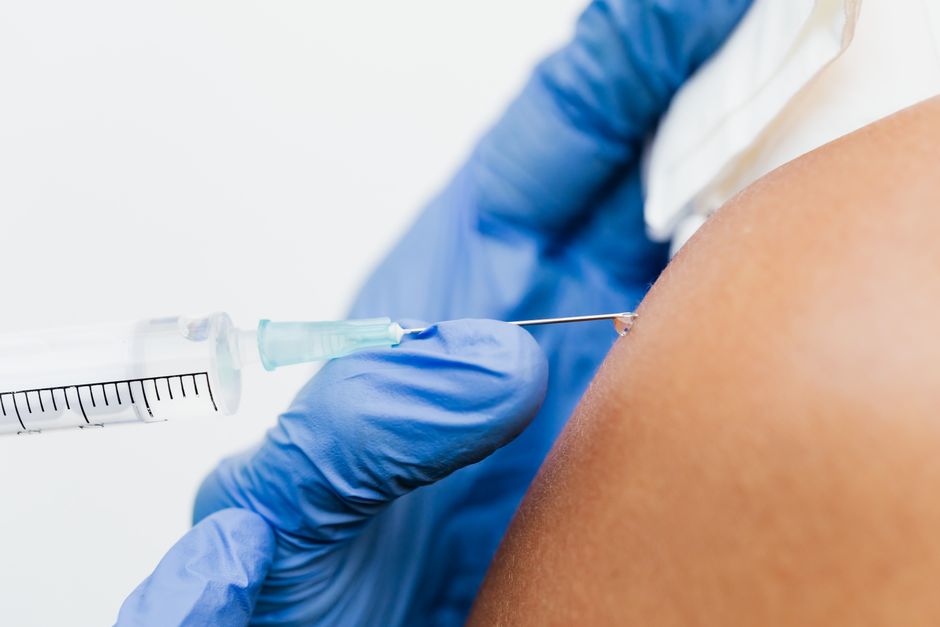
Giving a B12 injection at home is a straightforward process once you learn the proper technique. The most common method is an intramuscular injection into the upper arm or thigh, using a small needle and a standard alcohol swab. You draw the liquid from the vial, inject it into the muscle, and dispose of the needle safely. While the process is simple, doing it correctly matters for both comfort and safety.
What Do You Need to Give a B12 Injection?
Before you start, gather everything you need in one clean, well-lit area. Having all supplies within reach prevents fumbling once the needle is out.
- B12 vial (check the expiration date and confirm the liquid is clear)
- Alcohol swabs
- A new, sterile syringe with a needle
- A sharps disposal container
- A bandage or cotton ball
The needle size matters. For intramuscular B12 injections, a 1-inch to 1.5-inch needle is standard for adults. The gauge is usually 22 to 25. A thinner needle (higher gauge number) causes less pain but takes slightly longer to inject. Your healthcare provider can tell you the exact size that fits your body type and injection site.
How To Give B12 Injections: Step-by-Step
This is the core process. Follow every step in order and do not skip the safety checks.
Step 1: Wash your hands. Use soap and warm water for at least 20 seconds. Dry with a clean towel. This is the single most important step for preventing infection.
Step 2: Prepare the vial. Remove the plastic cap from the B12 vial. Wipe the rubber stopper with a fresh alcohol swab. Let it dry for a few seconds. Alcohol needs time to kill bacteria on the surface.
Step 3: Draw air into the syringe. Pull the plunger back to the amount of B12 you plan to inject. For example, if your dose is 1 mL, draw 1 mL of air. This air keeps the vial pressure balanced so liquid flows out easily.
Step 4: Insert the needle into the vial. Push the needle straight through the center of the rubber stopper. Inject the air from the syringe into the vial. Then turn the vial upside down, keeping the needle tip below the liquid surface.
Step 5: Draw the B12. Pull the plunger back to your prescribed dose. Check for air bubbles. If you see bubbles, tap the syringe gently with your finger to move them to the top, then push them back into the vial. Redraw to the correct dose.
Step 6: Choose the injection site. The outer middle of the upper arm (deltoid muscle) and the outer upper thigh (vastus lateralis) are the most common sites for self-injection. The thigh is easier to reach for most people. Clean the skin with a fresh alcohol swab using a circular motion from the center outward. Let it dry completely.
Step 7: Inject. Hold the syringe like a dart. Insert the needle at a 90-degree angle straight into the muscle. Push the plunger down slowly and steadily. A slow injection causes less tissue damage and less pain afterward.
Step 8: Remove the needle. Pull the needle straight out at the same angle you inserted it. Press a clean cotton ball or gauze over the site immediately. Hold pressure for 30 seconds. Apply a bandage if needed.
Step 9: Dispose of the needle. Do not recap the needle. Place it directly into a sharps container. Never throw needles in the regular trash. Most pharmacies sell sharps containers, and some states have mail-back programs.
Where Exactly Should You Inject B12?
Muscle choice affects how well the injection works and how comfortable it feels. The deltoid muscle in the upper arm is common, but it is a smaller muscle. It works well for smaller volumes. The thigh muscle is larger and easier for self-injection. Some people prefer the upper outer quadrant of the buttock, but that site is difficult to reach alone.
For the thigh, aim for the middle third of the outer thigh. Place one hand on your hip and one on your knee. The injection site is in the middle section between your hands. For the upper arm, the correct spot is roughly two finger-widths below the bony tip of your shoulder. Injecting too high can hit the shoulder joint. Injecting too low can hit the radial nerve.
Rotate sites if you inject regularly. Using the same spot every time causes muscle soreness and can lead to hardened tissue that absorbs the B12 poorly.





What Does a B12 Injection Feel Like?
Most people report a brief sting when the needle enters the skin. The injection itself is quick. Some people feel a burning sensation as the liquid enters the muscle. This is normal and usually lasts only a few seconds. Cold B12 from the refrigerator stings more. Letting the vial sit at room temperature for 15–20 minutes before drawing can reduce this.
Soreness at the injection site for 24–48 hours is common. It feels like a deep bruise or muscle ache. Applying a cold pack for 10 minutes after the injection can reduce soreness. Mild redness or swelling is also normal. Seek medical attention if the site becomes hot, very painful, or starts draining fluid. Those are signs of infection.
Who Should Not Self-Inject B12?
Not everyone is a good candidate for home injections. If you have a bleeding disorder or take blood thinners, talk to your doctor before self-injecting. The injection can cause bleeding under the skin or into the muscle. People with a known allergy to B12 or to cobalt should not take B12 injections at all.
If you have never given yourself an injection before, ask your healthcare provider to watch you do it the first time. Many clinics offer a teaching session. You practice on a pad first, then perform the injection under supervision. This one session prevents most common mistakes.
If you have significant vision problems or tremors, self-injection may be unsafe. A family member or caregiver can be trained to give the injection instead. Home health nurses can also be arranged through your doctor’s office if you cannot self-inject.
What Are the Risks of B12 Injections?
B12 injections are generally very safe when given correctly. The most common problems are injection-site pain, redness, and minor bleeding. These are temporary and not dangerous.
Serious complications are rare but possible. Hitting a nerve causes sharp, shooting pain. If this happens, withdraw the needle immediately and choose a different spot. Injecting into a blood vessel is uncommon but can cause the B12 to enter the bloodstream too quickly. This may cause flushing, dizziness, or a rapid heartbeat. These symptoms usually pass within minutes.
An allergic reaction to B12 is extremely rare but requires immediate emergency care. Symptoms include hives, difficulty breathing, swelling of the face or throat, and a rapid pulse. If you experience these after an injection, call emergency services right away.
How Often Should You Get B12 Injections?
The frequency depends entirely on why you need them. People with pernicious anemia or B12 deficiency from malabsorption often start with injections every day or every other day for one to two weeks. After that, the dose drops to once a month for maintenance.
People with dietary deficiencies may need only a short course. Some people self-inject weekly for general energy, but this is not supported by strong evidence for people without a diagnosed deficiency. B12 is water-soluble, so excess amounts are excreted in urine. However, regular injections without a documented deficiency provide no proven health benefit.
Your doctor should determine your dose and schedule based on blood test results. Do not adjust the frequency on your own. If you miss a dose, do not double up. Take the next scheduled dose as planned.
How To Store B12 and Handle Supplies Safely
Unopened B12 vials should be stored in the refrigerator. Once opened, most vials are stable for up to 28 days. Check the manufacturer’s label for specific storage instructions. Do not freeze B12. Freezing can damage the solution.
Keep all supplies out of reach of children and pets. Needles and syringes should be stored in a locked container if children are in the home. The sharps container should be closed and secured when not in use. When the container is three-quarters full, seal it and check with your local pharmacy or health department for disposal options.
Frequently Asked Questions
How deep do you insert the needle for a B12 injection?
The needle goes straight in at a 90-degree angle until the hub is against the skin. For most adults, this means inserting the full length of a 1-inch needle.
Can I give myself a B12 injection in the arm?
Yes, the deltoid muscle in the upper arm works, but it is harder to reach with your opposite hand. The thigh is easier for most people to self-inject.
What happens if you inject B12 into a vein?
Injecting into a vein is not recommended and can cause flushing, dizziness, or a rapid heartbeat. These symptoms usually pass quickly, but you should tell your doctor if this happens.
How long does a B12 injection stay in your system?
B12 levels in the blood peak within hours of an injection, but the liver stores the vitamin and releases it slowly. The effect of a single injection typically lasts about one month.
