
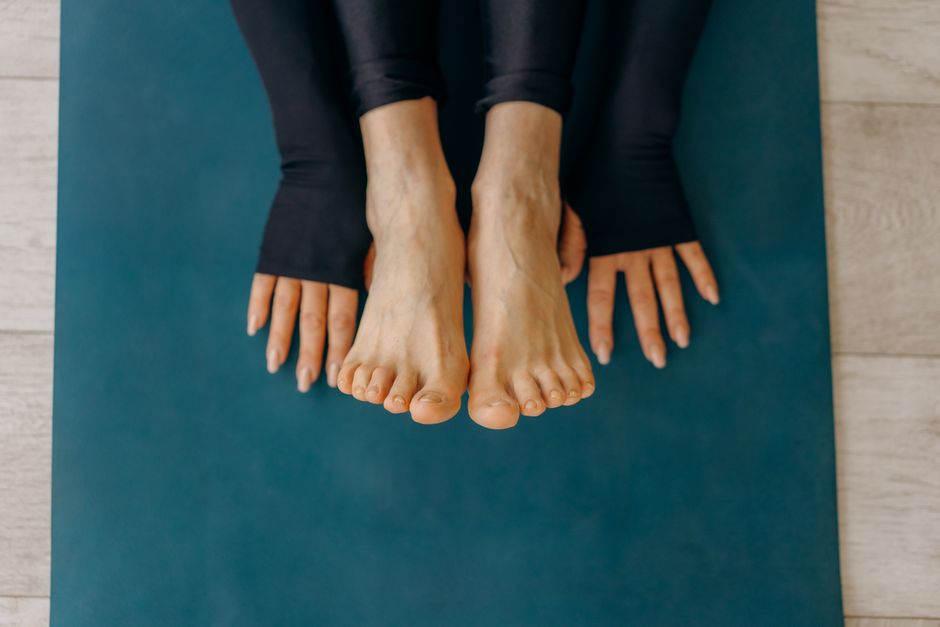
Corns are your skin’s response to repeated pressure and friction. They develop when a specific spot on your foot rubs against the inside of a shoe or bears your body weight in an unusual way. The skin thickens to protect itself, forming a hard, concentrated patch of dead skin cells. Unlike a callus, which is broad and flat, a corn is small, round, and has a dense center that can press into the deeper layers of skin.
What Exactly Is a Corn?
A corn is a localized area of thickened skin. It forms when the skin’s protective response goes into overdrive at one specific point. The center of a corn is hard and waxy, and it can be painful when pressed.
There are two main types. Hard corns are the most common and usually appear on the tops of toes or on the outside of the little toe. Soft corns develop between toes, where moisture keeps them pliable. Both types are caused by the same underlying issue: friction and pressure.
It is important to distinguish a corn from a callus. A callus is a larger, flatter area of thickened skin, often on the ball of the foot or heel. A corn is smaller, deeper, and has that distinct central core. This core is what makes corns painful—it presses on nerves beneath the skin.
How Do You Get Corns On Your Feet? The Main Causes
The direct answer is friction and pressure. But the reasons that friction happens vary from person to person.
The most common cause is ill-fitting footwear. Shoes that are too tight squeeze the toes together. Shoes that are too loose allow the foot to slide forward and rub against the toe box with every step. High heels concentrate pressure on the forefoot, making the ball of the foot and toes especially vulnerable.
Foot structure also plays a major role. A bunion can push the big toe inward, causing the second toe to rub against the shoe. Hammertoes—where a toe bends at the middle joint—create a raised spot that presses against the top of the shoe. Even a slightly misshapen toe can create a pressure point that leads to a corn.
Some research suggests that losing the fat pad under the foot can increase pressure on the bones, making corns more likely. This is more common with age. Walking gait matters too. If you walk with an unusual step, you may place repetitive stress on one part of the foot.
Why Do Some People Get Corns and Others Don’t?
Two people can wear the same shoes, and only one will develop corns. Foot anatomy explains much of this difference.
People with narrow feet often find that standard-width shoes are too loose, causing the foot to slide. People with wide feet may squeeze into shoes that are too narrow, creating pressure on the outer toes. People with flat feet or high arches distribute weight differently across the foot, which can create different pressure points.
Toe length matters as well. A second toe that is longer than the big toe—a condition called Morton’s toe—is more likely to rub against the end of a shoe. This is a normal anatomical variation, not a deformity, but it does increase the risk of corns.
Age is another factor. As we get older, the skin becomes thinner and the fat pads under the bones of the feet shrink. This means less cushioning and more direct pressure on the skin and bone.



Are Corns Dangerous?
For most healthy adults, corns are a nuisance, not a medical emergency. They are painful and annoying, but they do not pose a serious health risk on their own.
The risk changes for people with certain conditions. Diabetes is the most important one. Diabetes can cause peripheral neuropathy—a loss of sensation in the feet—which means you may not feel a corn forming. It also impairs blood flow, which slows healing. A corn that breaks open can become infected, and that infection can spread quickly in a person with diabetes.
People with poor circulation from any cause should be cautious. If you have diabetes, peripheral artery disease, or any condition that reduces blood flow to your feet, you should not treat corns yourself. See a podiatrist instead.
For everyone else, corns are manageable at home as long as the skin stays intact. A corn that cracks or bleeds is a wound, and wounds require different care.
How to Treat Corns Safely at Home
The first step in treatment is removing the source of friction. If you do not change the footwear, the corn will return no matter what you do to the skin.
Start by switching to shoes that fit properly. The toe box should be wide enough that your toes can move freely. Avoid pointed shoes and high heels while the corn is healing.
To reduce the thickness of the corn, soak your foot in warm water for 10 to 15 minutes. This softens the skin. Then gently file the corn with a pumice stone or foot file. Use light pressure and move in one direction. Do not try to remove the entire corn in one session. Removing a thin layer each day is safer and more effective.
After filing, apply a moisturizer that contains urea or lactic acid. These ingredients soften the skin and help break down the thickened cells. Salicylic acid patches are another option. These over-the-counter treatments contain a weak acid that dissolves the keratin in the corn.
Salicylic acid patches work, but they require caution. They can damage healthy skin if they are not placed precisely on the corn. Do not use them if you have diabetes, poor circulation, or fragile skin. Follow the package instructions exactly.
The evidence for home treatments is solid—these methods have been used for decades and are supported by clinical experience. But they take time. A corn can take several weeks of consistent care to resolve.
When to See a Podiatrist
Most corns can be managed at home, but some situations require professional care.
See a podiatrist if the corn is extremely painful, if you have diabetes or poor circulation, or if the corn shows signs of infection. Signs of infection include redness, warmth, swelling, and drainage.
A podiatrist can safely remove the corn using a sterile blade. This is called debridement, and it provides immediate relief. The podiatrist will also examine your foot mechanics and may recommend orthotics—custom shoe inserts that redistribute pressure and prevent the corn from returning.
In rare cases, a podiatrist may discuss surgery. This is only considered when a structural problem, such as a severe hammertoe or bunion, is causing the corn. Surgery is not a first-line treatment, and it is not appropriate for everyone.
How to Prevent Corns From Coming Back
Prevention is about managing pressure and friction consistently. Corns are a mechanical problem, and the solution is mechanical.
Wear shoes that fit. Have your feet measured when you buy shoes, because foot size changes with age. Buy shoes later in the day, when your feet are slightly swollen from walking. Look for shoes with a wide toe box and soft, flexible materials.
Use protective padding. Toe sleeves and corn pads are donut-shaped cushions that go around the corn to reduce pressure. These are available at most drugstores. They do not treat the corn, but they prevent the friction that makes it worse.
Moisturize your feet daily. Dry skin cracks more easily and is more prone to thickening. A daily moisturizing routine keeps the skin flexible and less likely to build up hard layers.
If you have a structural issue like a bunion or hammertoe, ask a podiatrist about orthotics. These inserts can correct the way your foot distributes weight, which addresses the root cause of the corn rather than just the symptom.
Common Myths About Corns
There is a persistent myth that corns have roots that extend into the bone. This is false. Corns are entirely superficial. They are made of dead skin cells and nothing else. There is no root, and no part of the corn extends below the skin surface.
Another myth is that corns are caused by a virus or are contagious. They are not. They are a purely mechanical response to pressure.
Some people believe that cutting a corn with a razor blade is an acceptable treatment. This is dangerous. Cutting your own skin with a blade can lead to infection, especially if you have diabetes or poor circulation. Always use a pumice stone or file, and never cut your own corns.
Frequently Asked Questions
Can corns go away on their own?
Corns do not go away on their own unless the source of friction is removed. If you stop wearing the shoes that cause the pressure, the corn will gradually shrink and may disappear over several weeks.
Are corns a sign of a serious health problem?
In most cases, no. Corns are a normal skin response to pressure. However, in people with diabetes or poor circulation, corns can lead to serious complications and should be evaluated by a doctor.
What is the fastest way to get rid of a corn?
See a podiatrist for professional removal. Debridement removes the corn immediately, but it will return unless you also change your footwear and address the underlying pressure.
Is it safe to use salicylic acid patches on corns?
Salicylic acid patches are safe for healthy adults when used as directed. They are not safe for people with diabetes, poor circulation, or fragile skin. Always place the patch only on the corn, not on surrounding healthy skin.
