
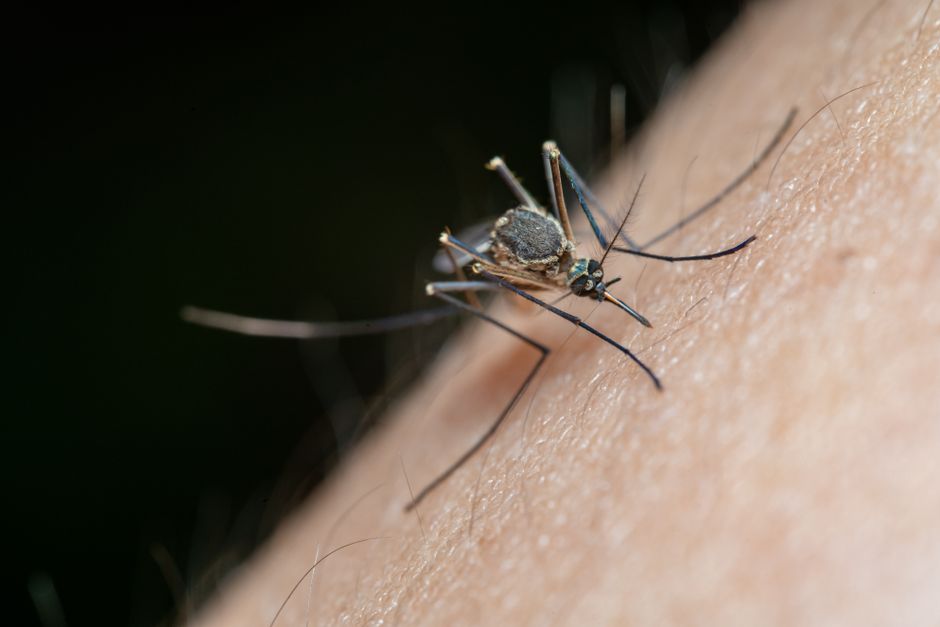
Mosquito bites itch because your immune system reacts to the mosquito’s saliva, releasing histamine that triggers nerve endings in your skin. The fastest way to stop the itch is to apply a cold compress or ice pack to the area for 10 to 15 minutes, which numbs the nerves and reduces swelling. For longer-lasting relief, over-the-counter hydrocortisone cream or calamine lotion are the most reliable options, with oral antihistamines like cetirizine or loratadine providing systemic relief for severe reactions.
Why Do Mosquito Bites Itch So Much?
A mosquito doesn’t just poke you with a needle. It uses its proboscis to saw into your skin and inject saliva that prevents your blood from clotting while it feeds. Your body recognizes this foreign saliva as an invader.
Your immune system responds by releasing histamine at the bite site. Histamine causes blood vessels to dilate and fluid to leak into the surrounding tissue, creating a red, swollen bump. It also stimulates nerve endings, which produces that unmistakable itch.
The itch is a sign your immune system is working. But the response can be disproportionate. Some people barely react to bites, while others develop large, hot, intensely itchy welts. This variation is normal and often depends on your prior exposure to mosquito saliva.
What To Put On Mosquito Bites To Stop Itching
The most effective first step is cold. Ice, a cold pack, or even a cold spoon pressed against the bite for 10 to 15 minutes will constrict blood vessels and temporarily numb the area. This reduces both swelling and the itch signal traveling to your brain.
For ongoing relief after the cold compress, two over-the-counter products have the strongest evidence behind them:
- Hydrocortisone cream (1%): This is a mild steroid that suppresses the local immune response. Applied once or twice daily, it reduces inflammation and itch. It is safe for short-term use on small areas.
- Calamine lotion: This zinc-based lotion cools the skin and dries oozing lesions. It doesn’t stop the immune response, but it soothes the itch sensation effectively.
Oral antihistamines are the right choice when you have multiple bites or a severe reaction. Second-generation options like cetirizine or loratadine work for 24 hours and cause less drowsiness than older antihistamines. First-generation options like diphenhydramine work quickly but are sedating.
Do Home Remedies Like Toothpaste or Baking Soda Work?
Home remedies are popular, but the evidence supporting them is thin. Toothpaste, baking soda paste, honey, and essential oils are often recommended online. None of these have been rigorously studied for mosquito bite relief.
Baking soda mixed with water into a paste may provide mild relief because it is alkaline and may slightly neutralize skin pH. But the effect is short-lived and not comparable to hydrocortisone or calamine.
Essential oils like tea tree or lavender have antibacterial properties, but that doesn’t address the histamine-driven itch. Some people report soothing effects from cooling oils like peppermint, but this is anecdotal. If you try a home remedy, watch for increased redness or irritation. Stop if the skin reacts badly.
The one home approach with real merit is a warm compress. Some people find that applying heat — like a spoon warmed in hot water — for a few seconds provides temporary itch relief. The heat may overload the nerve pathway temporarily, but the effect fades quickly.



What Not To Do: Scratching and Common Mistakes
Scratching provides brief relief, then makes things worse. It damages the skin barrier, increases inflammation, and releases more histamine, creating a scratch-itch cycle that is hard to break.
More importantly, scratching opens the skin to bacterial infection. Impetigo and cellulitis are bacterial skin infections that can develop when broken skin gets contaminated. Signs of infection include increasing redness, warmth, pain, pus, or red streaks extending from the bite.
Avoid these common mistakes:
- Don’t use heat sources directly on the skin. A warm compress is fine, but a hot water bottle or heating pad can cause burns, especially if you fall asleep with it.
- Don’t apply undiluted essential oils. These can cause chemical burns or allergic contact dermatitis.
- Don’t use rubbing alcohol. It dries the skin and can worsen irritation without addressing the histamine response.
- Don’t pop blisters. If a bite forms a small blister, leave it intact. The blister fluid is sterile and protects the healing skin underneath.
When To See a Doctor About a Mosquito Bite
Most mosquito bites resolve on their own within a few days. But certain situations warrant medical attention.
See a doctor if you experience any of the following:
- Signs of infection — expanding redness, warmth, pus, or red streaks
- A bite that doesn’t improve after several days
- Large areas of swelling, especially around the eyes or joints
- Fever, headache, or body aches after being bitten
- Hives or a widespread allergic rash beyond the bite site
Severe allergic reactions to mosquito bites are rare but possible. A condition called skeeter syndrome causes excessive swelling, heat, and sometimes low-grade fever. It is more common in children and people with immune sensitivities. It is not life-threatening, but it can be very uncomfortable and may require prescription-strength treatment.
Mosquito-borne diseases like West Nile virus, dengue, and malaria are a separate concern. If you develop fever, severe headache, joint pain, or unusual fatigue within two weeks of mosquito bites, seek medical evaluation. This is especially important if you have traveled to areas where these diseases are common.
How To Prevent Mosquito Bites in the First Place
Prevention is more effective than any treatment. The CDC-recommended repellents are DEET, picaridin, IR3535, and oil of lemon eucalyptus. These have been tested and approved for safety and effectiveness.
DEET is the most thoroughly studied. Concentrations of 20% to 30% provide several hours of protection. Higher concentrations last longer but don’t work better. Picaridin is a good alternative for people who dislike the feel or smell of DEET.
Oil of lemon eucalyptus is plant-derived and effective, but it is not recommended for children under three years old. Always follow the label instructions for any repellent.
Beyond repellents, practical measures reduce exposure:
- Wear long sleeves and pants in mosquito-heavy areas, especially at dawn and dusk
- Use permethrin-treated clothing for outdoor activities
- Remove standing water around your home — mosquitoes breed in even small amounts
- Use window screens and mosquito nets where needed
- Run fans outdoors — mosquitoes are weak fliers
Mosquitoes are attracted to body heat, carbon dioxide, and certain skin chemicals. Some research suggests they are more attracted to people with Type O blood and to individuals who produce more lactic acid, uric acid, or ammonia on their skin. You can’t change these factors, but you can control your environment and repellent use.
Are Natural Repellents Effective?
Natural repellents like citronella candles, wristbands, and ultrasonic devices are widely marketed. The evidence for most of these is weak.
Citronella candles and torches can reduce mosquito landings in a small area, but their effect is limited and depends on wind and proximity. Wristbands impregnated with botanical repellents have not been shown to protect the whole body. Ultrasonic devices that claim to repel mosquitoes have been tested and found ineffective in controlled studies.
If you prefer a plant-based option, oil of lemon eucalyptus is the only botanical repellent that matches the effectiveness of DEET and picaridin in published studies. Other plant oils like lavender, peppermint, and soybean oil have some repellent activity but provide shorter protection times.
Frequently Asked Questions
Does ice really stop mosquito bite itching?
Yes. Cold numbs the nerve endings and constricts blood vessels, which reduces both swelling and the itch sensation. Apply ice or a cold pack for 10 to 15 minutes for best results.
Can I put toothpaste on a mosquito bite?
Toothpaste may provide temporary cooling relief, but no clinical evidence confirms it is effective. Hydrocortisone cream or calamine lotion are better proven options.
How long does a mosquito bite take to stop itching?
Most bites stop itching within 24 to 48 hours with treatment. Without treatment, the itch typically resolves in three to four days as the immune response settles.
Is it safe to scratch a mosquito bite?
No. Scratching breaks the skin, increases inflammation, and raises the risk of bacterial infection. Use cold compresses and anti-itch creams instead.
