
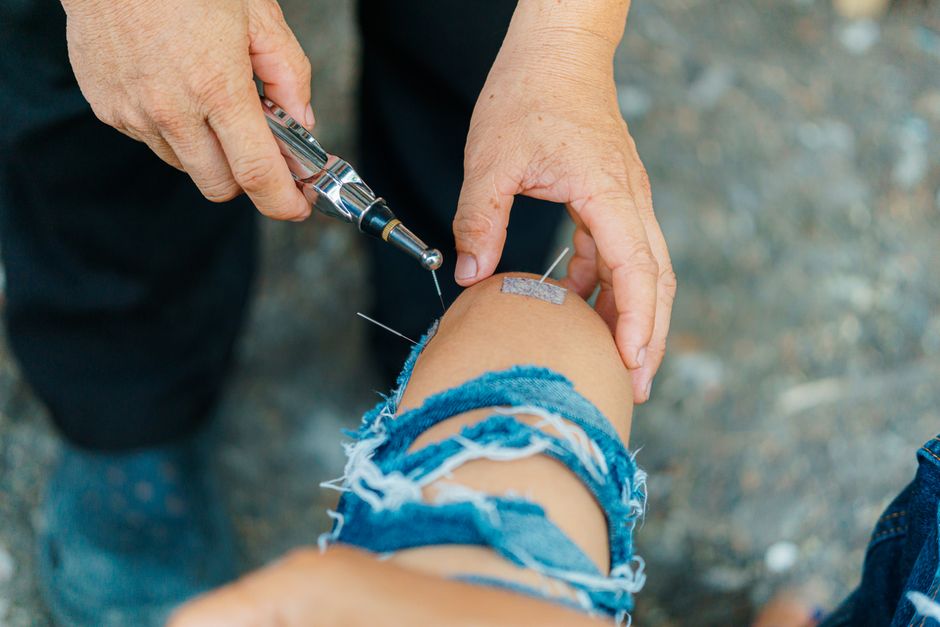
Knee pain is one of the most common reasons people see a doctor, and it is also one of the most frustrating problems to live with. You want to know what actually works to heal it without surgery or prescription drugs. The honest answer is that natural remedies can relieve pain and improve function, but they work best when matched to the specific cause of your pain. Rest, ice, targeted exercise, and weight management are the most evidence-backed approaches for everyday knee pain, while supplements like glucosamine have mixed evidence at best.
What Causes Knee Pain in the First Place?
Knee pain is rarely a single condition. It is a symptom with many possible sources. Knowing which one you have changes the treatment plan completely.
The most common cause in adults over 40 is osteoarthritis. This is wear and tear on the cartilage that cushions the joint. Over time, the cartilage thins and the bones rub together, causing pain and stiffness. Osteoarthritis develops slowly and typically hurts more after activity or at the end of the day.
Other common causes include patellofemoral pain syndrome, which is pain around the kneecap, often from muscle imbalances. Tendonitis, bursitis, and meniscus tears are also frequent. Less common but serious causes include rheumatoid arthritis, gout, and infections. If your knee is hot, red, severely swollen, or you cannot bear weight, see a doctor promptly.
How To Heal Knee Pain Naturally Remedies That Work
The most effective natural approach combines several strategies rather than relying on one remedy. No single herb or supplement will fix a damaged joint. The combination of reducing strain, strengthening support muscles, and controlling inflammation is what produces results.
Start with the basics: relative rest. This does not mean bed rest. It means avoiding the specific activities that trigger sharp pain. If running hurts, switch to swimming or cycling. If stairs hurt, use the elevator. This gives the joint a chance to settle down while keeping you active.
Ice is genuinely effective for acute flare-ups. Apply an ice pack wrapped in a thin towel for 15 to 20 minutes several times a day during the first 48 hours of a flare. This reduces blood flow to the area, which limits swelling and numbs pain. Heat is better for chronic stiffness when there is no swelling. A warm pack or warm bath can relax tight muscles around the joint.
Exercise Is the Most Powerful Natural Treatment
Exercise is not just helpful for knee pain. For osteoarthritis, it is the single most effective non-drug treatment. Research consistently shows that strengthening the muscles around the knee reduces pain and improves function more than many other interventions.
The key is to strengthen the quadriceps, the muscles on the front of the thigh. These muscles act as shock absorbers for the knee. When they are weak, the joint takes more force with every step. Strong quads reduce that load.
Straight leg raises are a safe starting point. Lie on your back with one leg bent and the other straight. Lift the straight leg to the height of the opposite knee and hold for three seconds. Do 10 to 15 repetitions. This exercises the quads without putting weight on the joint.
Wall sits are another effective exercise. Stand with your back against a wall and slide down until your knees are bent at about a 45-degree angle. Hold for 20 to 30 seconds. This builds strength in the quads and glutes. Stop if you feel sharp pain.
Balance exercises also matter. Standing on one leg for 30 seconds at a time improves stability and trains the small muscles that protect the joint. As you improve, close your eyes or stand on a pillow to increase difficulty.


Weight Loss Reduces Joint Load Directly
Body weight has a direct mechanical effect on the knee. Studies have found that each pound of body weight puts about four pounds of pressure on the knee joint during walking. Losing weight is not about appearance. It is about reducing the actual force your knee absorbs with every step.
For people with osteoarthritis and excess weight, losing even 5 to 10 percent of body weight produces measurable pain relief. This is one of the most reliable natural interventions available. It works through mechanics, not through any biochemical pathway.
Weight loss also reduces systemic inflammation. Fat tissue produces inflammatory chemicals called cytokines. Less fat tissue means lower levels of these chemicals circulating in your body, which can reduce joint inflammation overall.
What About Supplements and Herbal Remedies?
This is where the evidence gets complicated. Many supplements are marketed for joint health, but the research is mixed at best.
Glucosamine and chondroitin are the most studied joint supplements. Some research suggests they may provide modest pain relief for moderate to severe osteoarthritis, but large trials have shown little to no benefit compared to placebo. The evidence is genuinely mixed. If you try them, give them at least two to three months and stop if you notice no improvement.
Omega-3 fatty acids from fish oil have better evidence for reducing inflammation in general. Some studies indicate they can reduce joint pain and stiffness, particularly in rheumatoid arthritis. The effect is modest and takes weeks to develop. They are safe for most people, but high doses can thin the blood, so check with your doctor if you take blood thinners.
Turmeric and its active compound curcumin have shown anti-inflammatory properties in laboratory studies. Some small human trials suggest it may reduce pain in knee osteoarthritis comparable to over-the-counter pain relievers. The quality of these studies varies, and turmeric is poorly absorbed. Products with piperine, found in black pepper, improve absorption. The evidence is promising but not definitive.
Be skeptical of any supplement that promises rapid or dramatic results. No supplement has been shown to rebuild cartilage or cure arthritis. If a product claims to do this, it is marketing, not medicine.
Topical Remedies and Pain Relief Options
Topical treatments are often overlooked but can be surprisingly effective. They work locally on the joint with fewer side effects than oral medications.
Topical NSAIDs like diclofenac gel are available over the counter. Research shows they reduce osteoarthritis pain about as well as oral NSAIDs with far lower risk of stomach problems. These are medications, not herbs, but they are non-prescription and directly target the joint.
Capsaicin cream, derived from chili peppers, works by depleting a chemical called substance P that transmits pain signals. It requires consistent application for several days before full effect. It can cause a burning sensation on application that fades with regular use.
Arnica gel is a popular herbal topical. Some small studies suggest it may help with bruising and minor muscle pain, but evidence for knee osteoarthritis specifically is limited. It appears safe for topical use on unbroken skin.
What to Avoid When Your Knee Hurts
Some common advice is actually counterproductive. Prolonged bed rest weakens the muscles that support the knee, making pain worse over time. The joint needs movement to maintain health. Cartilage has no blood supply of its own and relies on joint movement to receive nutrients from joint fluid.
High-impact activities like running on hard surfaces, jumping, and deep squatting can aggravate an already irritated joint. This does not mean you should avoid them forever. It means you should modify them during a flare-up and return gradually.
Knee braces and sleeves have mixed evidence. Simple compression sleeves may improve proprioception, your sense of joint position, which can reduce pain. More rigid braces can help specific conditions but are not appropriate for everyone. A clinician should guide brace selection.
One caution: cortisone injections are not a natural remedy, but they are worth mentioning because many people seek them to avoid surgery. They provide powerful short-term relief by reducing inflammation. However, repeated injections can weaken cartilage over time. Most clinicians limit injections to two or three per year in the same joint.
When Natural Remedies Are Not Enough
Natural approaches work for many people, but they have limits. If you have tried consistent exercise, weight management, and topical treatments for three months without improvement, it is time to seek professional guidance.
See a doctor if you have severe pain, significant swelling, locking or catching in the joint, or if the knee gives way. These symptoms may indicate a meniscus tear, ligament injury, or other structural problem that natural remedies cannot fix.
Physical therapy is a natural approach that deserves more attention. A physical therapist can identify specific muscle weaknesses and movement patterns that contribute to your pain. They design a targeted program that is more effective than generic exercise advice. Many people make progress with a therapist when they stalled on their own.
The honest truth is that some knee conditions will eventually require medical intervention. Osteoarthritis is progressive for many people. Natural remedies can slow progression and manage symptoms, but they cannot reverse structural damage. Knowing when you need more help is part of responsible self-care.
Frequently Asked Questions
How long does it take for natural remedies to work on knee pain?
Most people notice some improvement within two to four weeks of consistent exercise and activity modification. Significant changes from strength training typically take eight to twelve weeks.
Is walking good or bad for knee pain?
Walking is generally good for knee pain when it does not cause sharp pain. It lubricates the joint and strengthens supporting muscles. Reduce distance or pace if walking causes pain that lasts more than an hour afterward.
Can knee pain heal on its own without treatment?
Mild knee pain from overuse can resolve on its own with rest and activity modification within a few weeks. Pain from osteoarthritis or structural injuries will not fully heal without ongoing management.
Are knee braces helpful for natural healing?
Simple compression sleeves can improve joint awareness and reduce mild pain. More supportive braces help specific structural issues but should be chosen with professional guidance.
