
Hemorrhoids are swollen veins in the lower rectum and anus, and most people who have them can manage the symptoms at home without surgery. The most effective natural approach combines three things: keeping stools soft so you strain less, reducing pressure on the swollen tissue, and giving the area time to settle down. For many people, symptoms improve within days to a few weeks with these steps alone.
What Are Hemorrhoids and Why Do They Hurt?
Hemorrhoids are clusters of vascular tissue that everyone has. They sit inside the anal canal and around the anal opening. They help with continence — the ability to control bowel movements. Problems start when these cushions swell, stretch, or get irritated.
There are two types. Internal hemorrhoids sit inside the rectum, above the point where pain nerves are sparse. They often bleed but do not usually hurt. External hemorrhoids sit just outside the anal opening, under skin that is packed with pain-sensitive nerve endings. These can hurt a lot, especially when a blood clot forms inside one.
The pain usually comes from swelling and pressure, not from the vein itself. When you strain, sit for long periods, or pass hard stool, the tissue gets engorged with blood. The surrounding skin stretches. That stretching is what you feel.
Painless bright red bleeding is the most common sign of internal hemorrhoids. Pain, itching, and a tender lump near the opening point more toward external ones. Blood on toilet paper can also come from an anal fissure — a small tear — or from other conditions. If bleeding is new, heavy, dark, or mixed into the stool, that needs a doctor’s evaluation.
What Actually Causes Hemorrhoids to Flare Up?
Pressure is the common thread. Anything that increases pressure in the lower rectum can make existing hemorrhoid tissue swell.
Constipation is the biggest driver. When stool is hard, you push harder. That pushing forces more blood into the vascular cushions. Pregnancy is another common trigger — the growing uterus presses on veins, and hormonal changes relax blood vessel walls. About half of pregnant women report hemorrhoids, and they often improve after delivery.
Other contributors include:
- Sitting on the toilet for long stretches, especially while scrolling on a phone
- Chronic diarrhea, which irritates the area repeatedly
- Lifting heavy weights with poor breathing technique
- Being overweight, which raises pressure in the abdomen
- Low-fiber diets that produce small, hard stools
- Aging, because the supporting tissue weakens over time
One thing worth clearing up: sitting on cold concrete or a warm surface does not cause hemorrhoids. That is a myth. The real issue is how long you sit and how much you strain.
How To Heal Hemorrhoids Naturally And Relieve Pain?
Natural treatment works by removing the pressure and inflammation that keep the tissue swollen. The two levers that matter most are stool consistency and time off the toilet.
Fix the stool first
Fiber is the foundation. The USDA recommends roughly 25 grams of fiber per day for women and 38 grams for men under age 50, with somewhat lower targets after 50. Most Americans get about half that. Adding fiber slowly — over a week or two — reduces gas and bloating. Good sources include beans, lentils, oats, whole grains, apples, pears, and leafy greens.
Water matters as much as fiber. Fiber without enough fluid can actually make stool harder. A reasonable target is around 6 to 8 cups of fluid daily for most adults, more in hot weather or with exercise.
If diet alone is not enough, a fiber supplement such as psyllium can help. Start with a small dose and increase gradually. Always take it with a full glass of water.
Change how you sit
Do not read, scroll, or linger on the toilet. Five minutes is plenty. If nothing happens, get up and try later. Straining is the single most damaging habit.
Elevating your feet on a small stool puts your body in a squat-like position. This straightens the anorectal angle and can make passing stool easier with less push. Some people find it helps. The evidence for it is not strong, but the logic is sound and the risk is zero.
Use warmth and gentle care
A warm sitz bath — sitting in a few inches of warm water — for about 10 to 15 minutes can ease pain and itching. Some clinicians recommend doing this a couple of times a day during a flare. The evidence for sitz baths specifically is limited, but they are widely used and low risk.
Keep the area clean and dry. Pat rather than rub after a bowel movement. Avoid harsh soaps, wet wipes with fragrance, and anything that stings.
Cold for swelling
A cold pack wrapped in a cloth, applied for short periods, can reduce swelling and numb pain. Never put ice directly on skin.


Which Home Remedies Have Real Evidence?
Some popular remedies are supported by decent research. Others are not.
Fiber and fluid have the strongest backing. Multiple studies show that increasing fiber reduces bleeding and pain from hemorrhoids. This is the closest thing to a proven natural treatment.
Topical treatments containing witch hazel or hydrocortisone are commonly used. Witch hazel is a mild astringent that may soothe irritation. Hydrocortisone reduces inflammation but should not be used for more than about a week without medical advice, because prolonged use can thin the skin.
Oral pain relievers like acetaminophen or ibuprofen can help with discomfort. Ibuprofen also reduces inflammation. Follow package directions and check with a doctor if you take other medications.
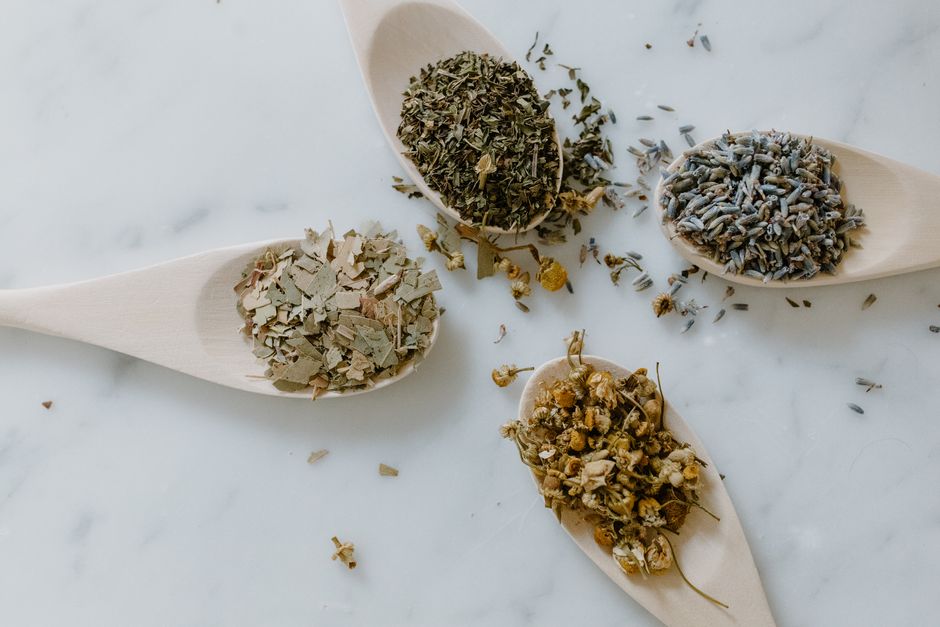
What about things like apple cider vinegar, essential oils, or herbal teas marketed for hemorrhoids? No clinical evidence confirms these work. Some, like undiluted essential oils, can irritate already sensitive skin. Skip them.
When Should You See a Doctor?
Most hemorrhoid symptoms settle within a few weeks of home care. Some situations need medical attention sooner.
See a doctor if you have:
- Bleeding that is heavy, dark, or continues for more than a few days
- Severe pain, especially a hard, tender lump that appeared suddenly
- Signs of infection — fever, pus, or spreading redness
- Symptoms that do not improve after a week or two of home treatment
- Any rectal bleeding if you are over 45 or have a family history of colorectal cancer
That last point matters. Rectal bleeding is often assumed to be hemorrhoids, but it can also be a sign of something more serious. Colon cancer screening guidelines in the US generally start at age 45 for average-risk adults. Do not assume blood is “just hemorrhoids” without a conversation with your doctor.
A thrombosed external hemorrhoid — one with a blood clot — causes intense pain that peaks in the first day or two. A doctor can sometimes drain it if you are seen within about 72 hours. After that, the clot usually dissolves on its own over a couple of weeks.
Can You Prevent Hemorrhoids From Coming Back?
Yes, in many cases. Since pressure is the cause, reducing pressure is the prevention.
Keep fiber and fluid high. Do not strain or sit for long periods. Stay active — regular movement helps keep bowels regular. If you lift weights, breathe out on the effort instead of holding your breath, which spikes pressure in the abdomen.
If you are pregnant, talk to your doctor about safe options. Hemorrhoids in pregnancy are common and usually improve after birth. Do not start new supplements or medications without checking first.
For people with recurring or severe hemorrhoids, medical procedures exist. Rubber band ligation, for example, cuts off blood flow to internal hemorrhoid tissue, which then shrinks. These are outpatient procedures and are generally more effective than creams for persistent cases. Natural care is a first step, not the only option.
Frequently Asked Questions
How long do hemorrhoids take to heal naturally?
Most mild hemorrhoid symptoms improve within a few days to a few weeks with fiber, fluids, and less straining. If symptoms last longer than two weeks, see a doctor.
What is the fastest natural way to relieve hemorrhoid pain?
A warm sitz bath for 10 to 15 minutes can ease pain quickly, and a cold pack can reduce swelling. Softening your stool with fiber and water prevents the pain from returning.
Can hemorrhoids go away on their own?
Yes, many mild hemorrhoids shrink and stop causing symptoms without treatment. External hemorrhoids with a clot usually resolve over about one to two weeks.
Does sitting on the toilet too long cause hemorrhoids?
Long sitting does not cause hemorrhoids by itself, but it increases pressure on the area and can make existing ones worse. Limiting toilet time to about five minutes helps.
