
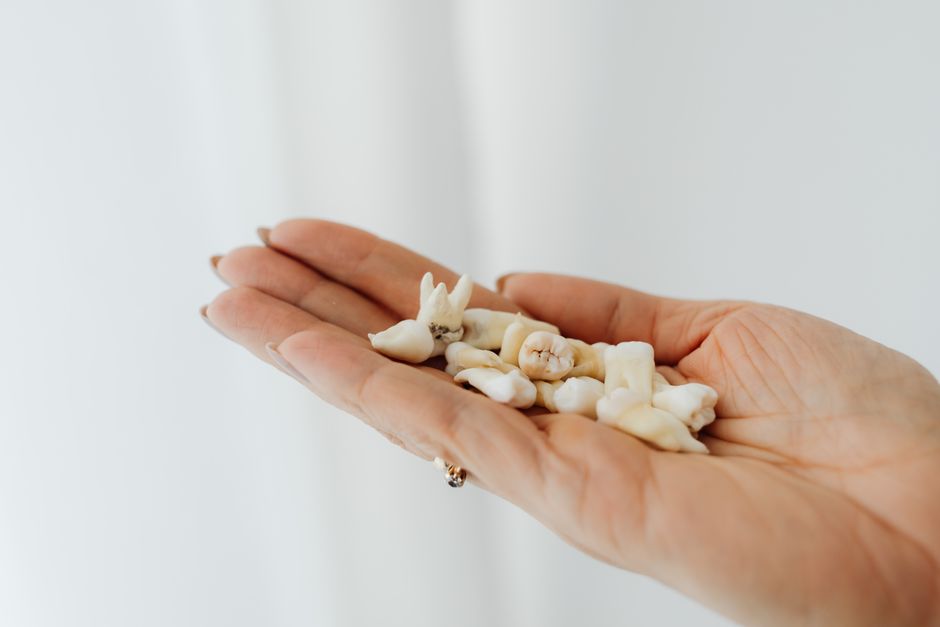
Having a tooth pulled is a common procedure, but what happens after can feel uncertain. Healing after a tooth extraction takes time, and what you do in the first few days matters most. Expect some bleeding, swelling, and discomfort for the first 24 to 48 hours. After that, a blood clot forms to protect the area, and new tissue slowly fills the socket over the next few weeks. Your job is to protect that clot and keep the area clean.
What Happens Immediately After the Extraction
The first 24 hours set the stage for how well you heal. Your dentist or oral surgeon will place a gauze pad over the socket and ask you to bite down firmly. This pressure helps stop the bleeding and allows a blood clot to form. Keep the gauze in place for the time your dentist recommends, usually 30 to 45 minutes.
Once the gauze is out, expect some oozing for the first few hours. A small amount of blood mixed with saliva is normal. If bleeding is heavy or continuous, place a fresh piece of damp gauze over the area and bite down for another 30 minutes. Avoid spitting, rinsing, or using a straw for the first 24 hours. Suction can dislodge the clot.
The local anesthetic will wear off after a few hours. When it does, you will feel the pain. Take your prescribed pain medication or an over-the-counter option like ibuprofen before the numbness fully fades. Staying ahead of the pain is easier than catching up to it.
How Long Does Healing Actually Take?
Healing happens in stages, and each stage has a different timeline. The first two days are the most uncomfortable. Swelling peaks around 48 hours after the procedure. By day three, the swelling and pain usually start to decrease.
The blood clot that forms in the socket is essential. It protects the bone and nerves underneath. Over the next one to two weeks, the clot is gradually replaced by granulation tissue, which is new connective tissue and blood vessels. This is a normal part of healing and looks like a soft, reddish tissue in the socket.
Complete healing of the bone takes longer. The socket fills in with new bone over several months. Most people feel back to normal within one to two weeks, but the bone continues to remodel for up to six months. This is why dentists often wait several months before placing a dental implant in the area.
How To Care for the Extraction Site at Home
Good home care speeds up healing and prevents complications. For the first 24 hours, rest and keep your head elevated with pillows. This reduces bleeding and swelling. Apply an ice pack to the outside of your cheek for 15 to 20 minutes at a time during the first day. Do not place ice directly on the skin without a cloth barrier.
After 24 hours, you can gently rinse your mouth with warm salt water. Mix half a teaspoon of salt into a glass of warm water. Rinse gently and let the water fall out of your mouth rather than spitting forcefully. Do this two to three times a day, especially after meals.
Brush and floss your other teeth as usual, but avoid the extraction site for the first few days. When you do clean near the socket, use a soft touch. Do not use a Waterpik or any pressurized water device near the extraction site until your dentist says it is safe.
Eat soft foods for the first few days. Yogurt, mashed potatoes, scrambled eggs, and soup are good options. Avoid hot foods and drinks for the first 24 hours because heat can increase bleeding. Avoid crunchy, chewy, or spicy foods that could irritate the socket or get stuck in it.





What To Avoid After Tooth Extraction
Some activities can undo your healing progress quickly. Smoking is one of the biggest risks after an extraction. The suction from inhaling can pull the blood clot out, and the chemicals in tobacco slow down healing. Most dentists recommend not smoking for at least 72 hours, though longer is better.
Drinking through a straw creates the same suction problem. Avoid straws for at least one week. Carbonated drinks can also irritate the socket, so skip them for a few days.
Do not drink alcohol for at least 48 hours, or longer if you are taking prescription pain medication. Alcohol can interfere with healing and increase the risk of bleeding.
Avoid strenuous exercise for the first few days. Heavy lifting, running, or intense workouts raise your blood pressure and can cause the socket to bleed again. Light walking is fine. Ask your dentist when you can return to your normal exercise routine.
Recognizing Dry Socket and Other Complications
Dry socket is the most common complication after an extraction. It happens when the blood clot dislodges or dissolves before the socket has healed. This exposes the bone and nerves, causing severe pain that usually starts two to three days after the extraction. The pain often radiates to your ear, eye, or jaw on the same side.
Dry socket is more common after wisdom tooth removal and in people who smoke or use straws. If you develop intense, throbbing pain that does not improve with pain medication, contact your dentist. Treatment usually involves placing a medicated dressing in the socket to relieve pain and promote healing.
Other signs that something is wrong include fever, excessive bleeding that does not stop, pus or discharge from the socket, and swelling that gets worse after the second day. These can indicate an infection. Call your dentist if you notice any of these symptoms. Do not wait to see if it gets better on its own.
When Can You Return to Normal Activities?
Most people can return to work or school within two to three days, depending on the complexity of the extraction and your pain level. If you had a simple extraction of a single tooth, you might feel fine the next day. If you had impacted wisdom teeth removed, you may need three to five days off.
Return to a normal diet gradually. Start with soft foods, then add semi-soft foods like pasta and bread over the next few days. By the end of the first week, most people can eat their regular foods, but chew on the opposite side of your mouth until the socket feels comfortable.
Full healing of the gum tissue takes about three to four weeks. During this time, you may notice a small depression where the tooth was. This is normal and will fill in as the bone heals underneath. Some people notice food getting caught in the socket during this period. Gentle salt water rinses help keep it clean.
How To Heal After Tooth Extraction What To Expect
Healing after a tooth extraction follows a predictable path if you protect the blood clot and keep the area clean. Expect the first 48 hours to be the most uncomfortable, with swelling and pain gradually improving after that. The socket fills with new tissue over one to two weeks, and bone healing continues for months.
Follow your dentist’s instructions exactly. Take pain medication as directed, use ice for the first day, and switch to warm salt water rinses after 24 hours. Avoid smoking, straws, and strenuous activity for the first few days. Watch for signs of dry socket or infection, and call your dentist if you have concerns.
Most people heal without problems. The key is being patient and not rushing the process. Your mouth knows how to heal. Give it the time and care it needs.
Frequently Asked Questions
How long does pain last after a tooth extraction?
Pain is usually worst in the first 24 to 48 hours and improves significantly after day three. Most people only need pain medication for the first few days.
When can I eat solid food after a tooth extraction?
Stick to soft foods for the first few days, then gradually add semi-soft foods like pasta and bread by the end of the first week. Chew on the opposite side of your mouth until the socket feels comfortable.
Can I drink coffee after a tooth extraction?
Wait at least 24 hours before drinking anything hot, including coffee. Hot liquids can increase bleeding and dissolve the blood clot. When you do drink coffee, make sure it is lukewarm and do not use a straw.
How do I know if I have a dry socket?
Dry socket causes severe throbbing pain that starts two to three days after the extraction, often radiating to your ear or jaw. If you have this type of pain, contact your dentist for treatment.
