
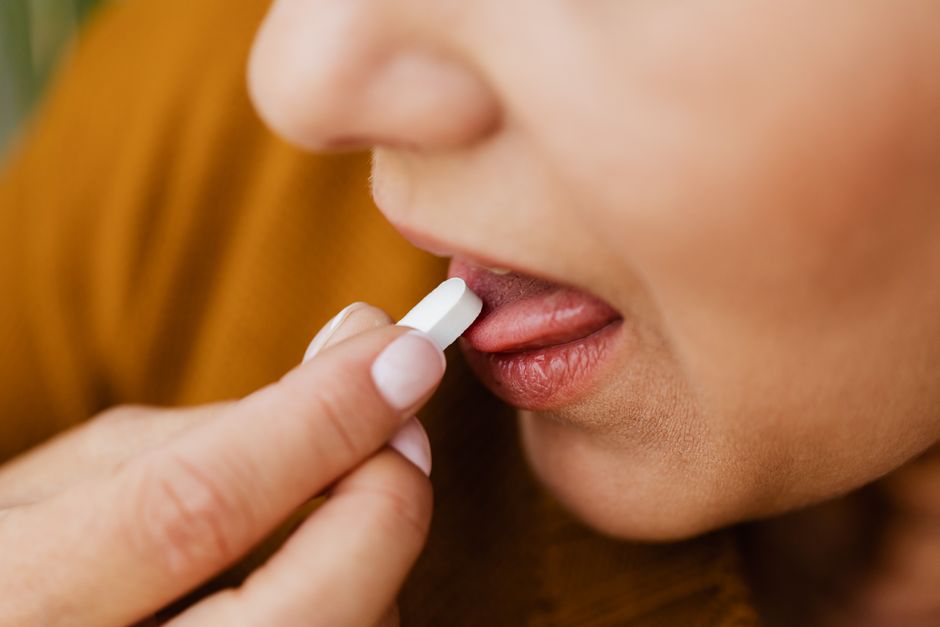
Burning the roof of your mouth is a common and painful injury, usually caused by taking a bite of food or a sip of a drink that is too hot. The good news is that most burns to the top of the mouth are minor and heal on their own within a week or two. To heal it faster, you need to protect the area from further irritation, manage the pain, and keep your mouth clean while the delicate tissue repairs itself.
What Happens When You Burn the Top of Your Mouth?
The roof of your mouth, called the palate, is covered with a thin layer of tissue that is more delicate than the skin on the rest of your body. When you eat something too hot, that heat can damage the top layers of this tissue. This is a first-degree or second-degree burn, similar to a sunburn or a mild scald on your skin.
The damaged cells die and your body responds with inflammation. That is why the area feels sore, looks red, and may swell. In more noticeable cases, a blister forms. This blister is your body’s way of protecting the raw, healing tissue underneath while new cells grow.
This healing process is quick because the mouth has a rich blood supply and its cells regenerate rapidly. Unlike skin on your hands or legs, the mouth’s lining is designed to replace itself constantly, which is why these burns usually resolve faster than burns elsewhere on the body.
How To Heal A Burned Top Of Mouth: Immediate Steps
Right after you burn your palate, the first step is to cool the area. This stops the heat from damaging deeper tissue layers. Suck on ice chips, sip cold water, or hold a cold spoon against the roof of your mouth. Do this for a few minutes. The cooling effect also numbs the area and reduces the initial pain and swelling.
Avoid anything that is hot, spicy, salty, acidic, or crunchy for the next few days. These foods will irritate the exposed nerve endings and slow down the healing process. Stick to soft, cool, and bland foods like yogurt, applesauce, mashed potatoes, or smoothies. Room-temperature or cold foods are best because they do not add more heat to the injured area.
You can also rinse your mouth with a saltwater solution. Mix a half-teaspoon of salt into a glass of warm water and swish it gently around your mouth. This keeps the area clean and can help reduce inflammation. Do this a few times a day, especially after eating.
Managing the Pain Safely
Over-the-counter pain relievers like ibuprofen (Advil, Motrin) or acetaminophen (Tylenol) can help manage the discomfort. Ibuprofen also reduces inflammation, which is a key part of the burn response. Follow the dosing instructions on the label and do not exceed the recommended amount.
For localized pain relief, there are oral gels and rinses that contain numbing agents like benzocaine or lidocaine. These are sold over-the-counter and can temporarily numb the burned area. These products are designed for mouth pain, such as canker sores or teething, and work the same way on a burn. Use them sparingly and follow the product’s instructions carefully.
Be cautious with these numbing products. They can make it hard to feel your mouth, which increases the risk of biting your tongue or cheek. They also temporarily numb your gag reflex, so be careful when eating or drinking after using them. If the pain is severe enough that you need these products frequently, that is a sign to check in with a healthcare professional.



When a Blister Forms on the Palate
Sometimes a burn on the roof of the mouth creates a blister. This can feel like a raised, fluid-filled bubble that is tender to the touch. It is important to leave the blister alone. The roof of the blister is a protective layer of new tissue, and the fluid inside is keeping the wound clean and moist while it heals.
Do not pop or break the blister. Opening it exposes the raw tissue underneath to bacteria and food particles, which increases the risk of infection and makes the pain worse. If the blister breaks on its own, keep the area clean by rinsing with salt water. It will heal just fine, but it may be more sensitive for a day or two.
Most blisters on the palate will shrink and disappear on their own within a few days as the underlying tissue heals. The dead skin will eventually peel off or be absorbed, revealing healthy pink tissue underneath.
Foods to Eat and Foods to Avoid
What you eat while your mouth heals matters more than you might think. The right foods protect the burn and give your body the nutrients it needs to repair tissue. The wrong foods can turn a mild burn into a miserable week.
- Eat soft, cool foods: Yogurt, pudding, ice cream, smoothies, oatmeal, scrambled eggs, and mashed bananas are gentle on the palate.
- Avoid spicy foods: Chili, hot sauce, and anything with black pepper will sting the raw tissue.
- Avoid acidic foods: Tomatoes, citrus fruits, and vinegar-based dressings can irritate the burn.
- Avoid rough or crunchy foods: Chips, toast, pretzels, and raw vegetables can scrape against the burn and re-injure it.
- Avoid very hot foods and drinks: Coffee, tea, and soup can re-burn the already damaged tissue.
Drinking through a straw can help bypass the roof of your mouth, but be careful with very hot liquids. A straw can also create suction that might irritate a blister, so listen to your body and stop if it hurts.
How Long Does It Take To Heal?
Most minor burns on the roof of the mouth heal within 5 to 10 days. The severe pain usually subsides within the first 48 to 72 hours. After that, the area may remain sensitive for a few more days, but it should be noticeably better each day.
Larger or deeper burns can take up to two weeks to fully heal. If the burn is still very painful after a week, or if it shows no signs of improvement, that is a reason to see a doctor or dentist. They can check for signs of infection and recommend stronger treatments if needed.
Signs of infection include increasing pain, swelling, pus, a bad taste in your mouth, or a fever. These symptoms are not normal for a simple burn and require medical attention.
When To See a Doctor or Dentist
Most mouth burns do not require medical care. But there are situations where you should not try to treat it at home. If the burn covers a large area, is very deep, or was caused by a chemical or electrical source, seek medical attention right away. Chemical burns and electrical burns are different from thermal burns and need professional evaluation.
If you cannot eat or drink because of the pain, that is a serious problem. Dehydration can set in quickly, especially if you cannot swallow. In this case, contact a healthcare provider. They can prescribe a stronger pain reliever or a medicated mouth rinse that makes eating and drinking possible.
Also, see a professional if the burn is not healing after two weeks. Persistent sores in the mouth that do not heal can be a sign of other conditions that need to be checked. It is always better to have a persistent sore looked at than to assume it will go away.
Preventing Future Mouth Burns
The best way to heal a burned mouth is to avoid getting one in the first place. The most common cause is testing food with your tongue or the roof of your mouth before it has cooled down. Make it a habit to test the temperature of food on your lip or the inside of your wrist before taking a full bite. These areas are sensitive to heat and will warn you before you burn your palate.
For drinks, take a small sip first instead of a large gulp. Microwaved foods are a frequent culprit because they heat unevenly. The outside of a microwaved dish can feel cool while the center is scalding hot. Always stir microwaved food thoroughly and let it sit for a minute before tasting it.
Cheese and other foods with a high fat content hold heat longer than other foods. A slice of pizza or a spoonful of hot soup can stay dangerously hot even when the edges feel cool. Give these foods extra time to cool down before eating them.
What Does Not Help a Mouth Burn
There are many home remedies floating around for mouth burns, but some of them can actually make things worse. Avoid putting butter, oil, or petroleum jelly on a burn inside your mouth. These substances do not cool the tissue and can trap heat, making the burn deeper. They also coat the area and make it harder for your mouth to clean itself naturally.
Honey is sometimes recommended for mouth sores, and some research suggests it has antibacterial properties. However, it is not a proven treatment for burns on the palate, and its sticky texture can be irritating. It is not harmful, but it is not a reliable remedy either.
Alcohol-based mouthwashes will sting and dry out the healing tissue. Stick to saltwater rinses or plain water for cleaning your mouth while the burn heals. Alcohol can also delay healing by damaging the new cells that are trying to grow.
Frequently Asked Questions
How long does a burn on the roof of the mouth take to heal?
Most minor burns heal within 5 to 10 days. The worst pain usually fades within the first 48 to 72 hours.
Should I pop a blister on the roof of my mouth?
No, you should leave the blister alone. The blister protects the raw tissue underneath while it heals, and popping it increases the risk of infection.
What is the fastest way to relieve pain from a burned palate?
Sucking on ice chips or sipping cold water immediately after the burn numbs the area and reduces swelling. Over-the-counter pain relievers like ibuprofen also help.
Can I eat normally with a burned roof of mouth?
You should stick to soft, cool, bland foods for a few days. Avoid spicy, acidic, crunchy, or very hot foods until the burn heals.
