
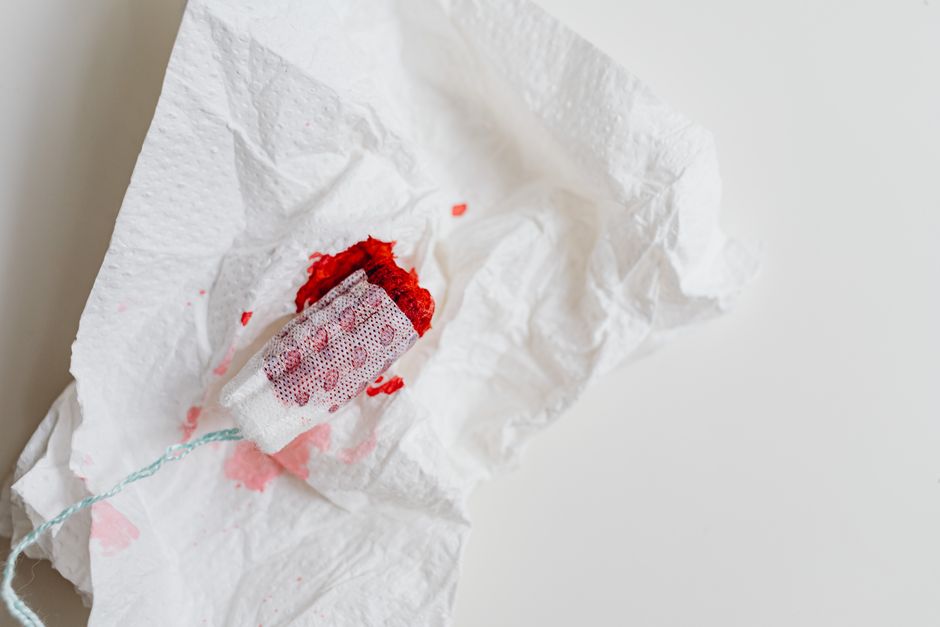
A bleeding hemorrhoid is exactly what it sounds like — a swollen vein in the lower rectum or anus that has begun to bleed, usually during a bowel movement. The bleeding is typically bright red and may appear on toilet paper, in the bowl, or streaked on the stool. Healing one requires two things: stopping the active bleeding and then treating the underlying swollen vein so it does not bleed again. Most bleeding hemorrhoids heal at home within a week or two with gentle hygiene, fiber, and over-the-counter treatments. If the bleeding is heavy, persistent, or accompanied by pain, you need to see a doctor — because not all rectal bleeding is a hemorrhoid.
What Causes a Hemorrhoid to Bleed?
Hemorrhoids are clusters of veins and blood vessels in the anal canal. They become problematic when pressure in that area increases, causing the veins to swell and stretch. Straining during bowel movements, sitting on the toilet for long periods, chronic constipation, diarrhea, pregnancy, and heavy lifting all raise that pressure.
The bleeding happens when the thin wall of the swollen vein gets irritated or torn. Hard stool passing through the anal canal is the most common trigger. The friction scrapes the vein wall, and it bleeds. That is why bleeding often appears right after a bowel movement rather than randomly during the day.
There are two types of hemorrhoids, and both can bleed. Internal hemorrhoids sit inside the rectum. They often bleed without causing pain because that area has few pain-sensing nerves. External hemorrhoids form under the skin around the anus. They can bleed too, but they are more likely to hurt, especially if a blood clot forms inside one.
How To Heal A Bleeding Hemorrhoid Fast
The fastest way to stop a bleeding hemorrhoid is to remove the source of irritation and let the vein heal. If the bleeding is active and light, apply gentle pressure with clean toilet paper or a soft cloth for a few minutes. Do not rub or wipe aggressively — pat instead.
Then focus on softening your stool. Hard stool is the enemy of a healing hemorrhoid. Drink more water throughout the day, and increase your fiber intake gradually. Fiber supplements such as psyllium husk are well studied for reducing hemorrhoid bleeding and discomfort. A sudden jump in fiber can cause gas and bloating, so increase it slowly over several days.
Warm sitz baths help too. Sit in a few inches of warm — not hot — water for 10 to 15 minutes, two to three times a day. This relaxes the anal muscles, improves blood flow to the area, and keeps the region clean. Pat the area dry afterward. Moisture left behind can irritate the skin and slow healing.
Over-the-counter hemorrhoid creams and suppositories can relieve itching and discomfort, but they do not stop bleeding directly. Products containing a local anesthetic like pramoxine or a vasoconstrictor like phenylephrine can shrink swollen tissue temporarily, which may reduce the chance of further irritation. Follow the package directions and do not use them longer than recommended — usually about a week.
What Stops the Bleeding and What Makes It Worse
Stool softeners and fiber help because they make bowel movements easier to pass. When you do not strain, the hemorrhoid is not squeezed and scraped. That is the single most important factor in stopping recurrent bleeding.
What makes bleeding worse is anything that increases pressure or friction. Straining on the toilet is the biggest offender. Do not sit and push. If a bowel movement does not come within a few minutes, get up and try again later. Sitting for long periods on the toilet — including scrolling on your phone — keeps pressure on the anal veins and can make a bleeding hemorrhoid worse.
Wiping with dry toilet paper can also re-open a healing hemorrhoid. Use moist wipes or a bidet instead, and pat dry gently. Some wipes contain alcohol or fragrance, which sting and irritate. Choose plain, unscented wipes if you use them.
Heavy lifting and prolonged sitting on hard surfaces also worsen hemorrhoids. If you must sit for long periods, take breaks every hour. A donut cushion can relieve direct pressure, though some doctors prefer a firm cushion that does not spread the buttocks apart, which can actually increase pressure on the anal area.


When Bleeding Means Something Else
Rectal bleeding is not always a hemorrhoid. Anal fissures — small tears in the lining of the anus — also cause bright red bleeding, usually with sharp pain during and after bowel movements. These heal with the same fiber and sitz bath approach, but they can take longer.
More serious conditions can also cause rectal bleeding. Colon polyps, inflammatory bowel disease, and colorectal cancer all present with bleeding at times. The key difference is that hemorrhoid bleeding is typically bright red, small in amount, and linked to bowel movements. Bleeding that is dark, tarry, mixed into the stool, or accompanied by weight loss, fatigue, or a change in bowel habits needs medical evaluation.
Any rectal bleeding that lasts more than a week despite home treatment, or that comes back repeatedly, should be checked by a doctor. Bleeding that is heavy — filling the toilet bowl or soaking through pads — is a medical emergency. Do not assume it is just a hemorrhoid. A doctor can examine the area and, if needed, order a colonoscopy to rule out more serious causes.
Medical Treatments for Bleeding Hemorrhoids
If home care does not stop the bleeding, several in-office procedures can help. These are not first-line treatments, but they are common for hemorrhoids that keep bleeding.
Rubber band ligation is the most widely used procedure for internal hemorrhoids. A doctor places a small band around the base of the hemorrhoid, cutting off its blood supply. The hemorrhoid shrinks and falls off within a few days. It is effective for bleeding, though some people feel cramping afterward.
Sclerotherapy involves injecting a chemical solution into the hemorrhoid to shrink it. It is less painful than banding but may be slightly less effective in the long term. Infrared coagulation uses heat to create scar tissue that cuts off blood flow to the hemorrhoid. These procedures are done in an office setting and do not require general anesthesia.
Surgery — hemorrhoidectomy — is reserved for severe cases, such as large external hemorrhoids, hemorrhoids that do not respond to other treatments, or hemorrhoids with blood clots. Recovery takes one to two weeks and can be painful. Surgery has the lowest recurrence rate for severe hemorrhoids.
These procedures are all performed by a gastroenterologist or colorectal surgeon. They are safe and well established, but they are not something you should request on your own. A doctor decides which procedure fits your specific situation based on the size, location, and type of hemorrhoid.
How to Prevent Hemorrhoids From Bleeding Again
Prevention is mostly about avoiding constipation and reducing pressure on the anal veins. A high-fiber diet — aiming for 25 to 30 grams of fiber daily from fruits, vegetables, whole grains, and legumes — keeps stool soft and bulky. Drink enough water so the fiber can do its job. Fiber without adequate fluid can worsen constipation.
Do not delay bowel movements. Waiting weakens the urge and makes stool drier and harder to pass. When you feel the urge, go. But do not sit and strain. Give yourself time, but not unlimited time.
Regular physical activity helps keep the digestive system moving. Even a daily 20- to 30-minute walk reduces the risk of constipation. Avoid prolonged sitting, and if your job requires it, stand and move every hour.
Maintaining a healthy weight also reduces pressure on the pelvic veins. Pregnancy increases hemorrhoid risk due to pressure from the growing uterus, and the straining of labor can worsen them. Postpartum hemorrhoids usually improve with the same fiber, hydration, and sitz bath approach.
Frequently Asked Questions
How long does a bleeding hemorrhoid take to heal?
Most bleeding hemorrhoids improve within 7 to 14 days with home care. If bleeding continues beyond a week, see a doctor.
Can a bleeding hemorrhoid heal on its own?
Yes, mild bleeding often stops on its own once the cause — usually constipation or straining — is addressed. Persistent bleeding requires medical evaluation.
Is it safe to use hemorrhoid cream on a bleeding hemorrhoid?
Yes, over-the-counter creams are safe for short-term use, but they treat swelling and itching, not the bleeding itself. Stop using them after one week unless a doctor advises otherwise.
When is rectal bleeding an emergency?
Bleeding that is heavy, does not stop, or comes with dizziness, weakness, or dark tarry stool is an emergency. Go to urgent care or the emergency room.
