
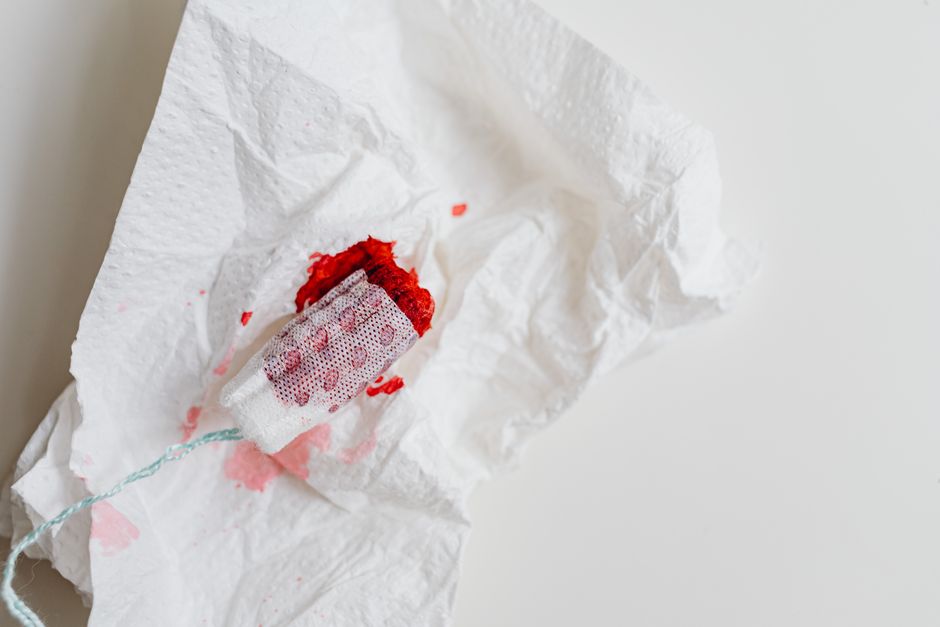
Bleeding between periods is any vaginal bleeding that happens outside your normal menstrual cycle. It is also called intermenstrual bleeding or spotting. The causes range from harmless hormonal shifts to conditions that need medical treatment. The most common reasons are hormonal changes, ovulation, uterine fibroids, polyps, infections, and changes to birth control. Some causes are minor, but others signal a real medical issue, so any new bleeding between periods deserves a conversation with a doctor.
What Counts as Bleeding Between Periods?
Normal menstrual cycles vary from person to person. A typical cycle lasts 24 to 38 days, with bleeding lasting 2 to 7 days. Anything that happens outside that window counts as bleeding between periods.
Spotting is light bleeding that does not require a pad or tampon. Bleeding between periods can also be heavy enough to need protection. Both deserve attention, though the urgency depends on the pattern and your overall health.
One important note: bleeding between periods is different from a short cycle. If your period comes every 21 days consistently, that is a short but regular cycle. Bleeding between periods means you have a normal gap, then unexpected bleeding appears in the middle.
What Causes Bleeding Between Periods?
Hormonal fluctuations are the most common cause. Your menstrual cycle depends on estrogen and progesterone rising and falling in a precise pattern. When that pattern shifts, the uterine lining can shed slightly at the wrong time.
Ovulation itself can cause light spotting. When the ovary releases an egg, estrogen levels dip briefly. That dip can trigger a small amount of bleeding in some people. This is called ovulation spotting, and it usually happens around day 14 of a 28-day cycle.
Hormonal birth control is another frequent trigger. In the first three months of starting a new pill, patch, or ring, breakthrough bleeding is common. The same applies to hormonal intrauterine devices. Your body is adjusting to a new hormone level, and the uterine lining responds by shedding unpredictably.
Fibroids and polyps are noncancerous growths that can cause bleeding between periods. Fibroids grow in the muscle of the uterus. Polyps grow on the uterine lining. Both can irritate the lining and cause spotting. These are common and usually not dangerous, but they can cause heavy periods and anemia over time.
Infections of the cervix or uterus can also cause bleeding. Sexually transmitted infections like chlamydia and gonorrhea are known culprits. Pelvic inflammatory disease, which is an infection of the reproductive organs, can cause bleeding too. Cervicitis, or inflammation of the cervix, may produce spotting after sex.
When Could Bleeding Between Periods Be Serious?
Some causes of intermenstrual bleeding are more concerning than others. The key is to know when bleeding warrants urgent medical attention.
Pregnancy complications are one example. Implantation bleeding can happen early in pregnancy, but bleeding during pregnancy can also signal an ectopic pregnancy or miscarriage. If you are sexually active and bleeding between periods, a pregnancy test is a reasonable first step.
Thyroid disorders can disrupt your cycle. Both overactive and underactive thyroid conditions change hormone levels, which can cause irregular bleeding. This is treatable once diagnosed.
Endometrial hyperplasia is a condition where the uterine lining thickens abnormally. It is more common in people approaching menopause and in those with conditions like polycystic ovary syndrome. In some cases, hyperplasia can progress to endometrial cancer, so it needs evaluation.
Endometrial cancer is the most serious cause of bleeding between periods. It is most common after menopause, but it can occur in younger people with risk factors. The main symptom is abnormal bleeding. That is why any new bleeding between periods should be checked, especially if you are over 45 or have risk factors like obesity, diabetes, or a family history of uterine cancer.
Cervical cancer can also cause bleeding between periods or after sex. Regular Pap smears help catch this early. If you have not had a recent screening, that is part of the conversation with your doctor.





What Does the Bleeding Pattern Tell You?
The timing and character of the bleeding offer clues about the cause.
- Mid-cycle spotting around day 14 often points to ovulation.
- Bleeding after sex suggests cervical irritation, infection, or cervical changes.
- Bleeding right before your period is often related to low progesterone.
- Bleeding after a missed period could indicate pregnancy.
- Heavy bleeding between periods is more likely to involve fibroids, polyps, or a structural issue.
- Spotting with pain may point to infection, ovarian cysts, or endometriosis.
These patterns are not diagnoses. They are starting points for a conversation with your clinician. Two people with identical bleeding patterns can have completely different causes.
How Is Bleeding Between Periods Evaluated?
A doctor will start with your history. They will ask about the timing, amount, and duration of bleeding. They will also ask about your cycle length, sexual activity, birth control use, and any other symptoms.
A pregnancy test is usually done first if there is any chance you could be pregnant. Then a pelvic exam checks for visible causes like cervical polyps or infections.
An ultrasound is the most common imaging test. It can show fibroids, polyps, ovarian cysts, and the thickness of the uterine lining. This is painless and takes about 30 minutes.
Depending on the findings, a biopsy may be recommended. A small sample of the uterine lining is taken and examined under a microscope. This is the only way to rule out precancerous or cancerous changes. It is not needed for everyone, but it is standard when the lining looks thickened on ultrasound or when bleeding is persistent.
Blood tests can check thyroid function, hormone levels, and blood count. A low blood count from chronic bleeding can explain fatigue and weakness.
What Are the Treatment Options?
Treatment depends entirely on the cause. There is no one-size-fits-all approach.
If the cause is hormonal birth control, your doctor may suggest giving it more time. Breakthrough bleeding often resolves within three months. If it continues, a different formulation or method may help.
If fibroids or polyps are the cause, options include medication to control bleeding or surgery to remove the growths. Many fibroids need no treatment at all if they are not causing symptoms.
If an infection is causing the bleeding, antibiotics will treat it. Make sure to complete the full course even if symptoms improve.
If the cause is a thyroid condition, thyroid medication can regulate your cycle. Once hormone levels normalize, bleeding often stops.
For precancerous changes, treatment might involve progestin therapy or surgery. For cancer, treatment depends on the stage and may include surgery, radiation, or chemotherapy. These decisions are made with a specialist who reviews your specific case.
No treatment exists for normal ovulation spotting beyond reassurance. If that is the cause, knowing it is harmless is often enough.
When Should You See a Doctor?
Any new bleeding between periods is worth a medical visit. That is the honest answer. Some causes are harmless, but you cannot tell which ones without an evaluation.
Seek care sooner if you have any of these signs:
- Bleeding is heavy enough to soak a pad or tampon every hour
- Bleeding lasts more than a few days
- You have severe pelvic pain
- You feel dizzy or lightheaded
- You might be pregnant
- You are postmenopausal
- You have a fever
Postmenopausal bleeding is always evaluated promptly. After menopause, the uterine lining should be inactive. Any bleeding after 12 months without a period needs investigation to rule out cancer.
Can Lifestyle Changes Help?
Lifestyle changes do not treat most causes of bleeding between periods. If the cause is an infection, fibroid, or hormonal disorder, diet and exercise will not resolve it. That is an important distinction. Some online sources suggest supplements or dietary fixes, but no clinical evidence confirms these work for intermenstrual bleeding.
Managing stress and keeping a regular sleep schedule may help regulate cycles in general. But if you have structural or infectious causes, these will not stop the bleeding.
Tracking your cycle is genuinely useful. Record the first day of each period, the length of bleeding, and any spotting episodes. This information helps your doctor identify patterns and narrow down the cause faster.
Frequently Asked Questions
Can stress cause bleeding between periods?
Stress can disrupt your hormone levels and lead to irregular bleeding. This is more likely to cause a missed or delayed period than mid-cycle bleeding, but it can happen.
Is spotting between periods normal?
Occasional spotting around ovulation or when starting a new birth control is common. Persistent or heavy spotting is not considered normal and should be evaluated.
How long does breakthrough bleeding last on birth control?
Breakthrough bleeding usually settles within three months of starting a new method. If it continues beyond that, a different formulation or method may be needed.
Can bleeding between periods be a sign of cancer?
It can be, especially in people over 45 or after menopause. Most cases of intermenstrual bleeding are not cancer, but only a medical evaluation can rule it out.
Bleeding between periods is common, and most causes are treatable or harmless. But the only way to know is to get checked. A quick visit with your clinician can identify the cause and give you peace of mind. Do not wait months to bring it up at your next annual exam. Schedule an appointment and have the conversation now.
