
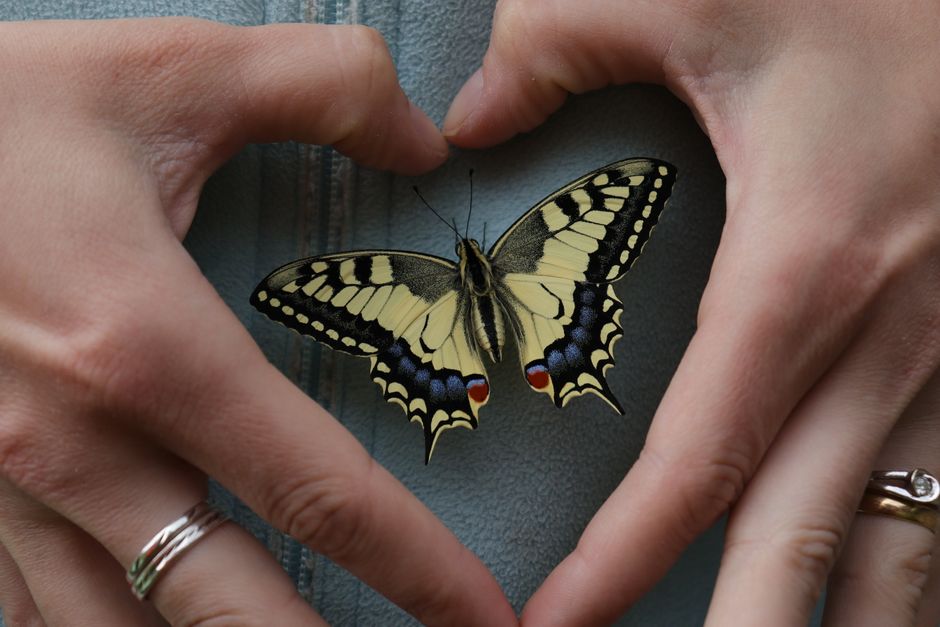
If you find a butterfly with a torn or damaged wing, the honest answer is that the butterfly cannot regrow the wing tissue itself. However, you can help stabilize the wing so the insect can still fly and feed. The most effective treatment involves gently gluing the torn edges back together using a safe adhesive, allowing the butterfly to survive what would otherwise be a fatal injury.
What Happens When a Butterfly Damages Its Wings?
Butterfly wings are not living tissue like skin or muscle. They are made of a thin membrane covered in thousands of tiny scales. These scales create the color and pattern you see. Once a wing is torn, the membrane does not heal or regenerate.
Think of the wing like a sheet of cellophane stretched over a frame of veins. If that sheet tears, it stays torn. The butterfly cannot grow new material to close the gap. This is different from many other animals that can regenerate lost body parts.
The wing veins do carry a fluid called hemolymph, which is the insect’s version of blood. If a tear damages a major vein, the butterfly can bleed out and die. Smaller tears near the wing edge are less dangerous but still affect flight ability.
Can a Butterfly Survive With a Torn Wing?
Yes, many butterflies survive with torn wings in the wild. The key factors are the size and location of the tear. A small notch at the edge of the wing rarely stops a butterfly from flying. A large tear that removes a big section of the wing can make flight impossible.
Butterflies also need to be able to feed. They drink nectar using a long tube called a proboscis. If the butterfly can still reach flowers and avoid predators, a damaged wing is not automatically fatal.
That said, a butterfly that cannot fly is highly vulnerable. It cannot escape predators, find food, or reach a mate. In nature, most butterflies with severe wing damage do not survive long. This is why human intervention can make a real difference.
How to Repair a Butterfly Wing at Home
If you want to help a damaged butterfly, the most common method is wing splinting with glue. This is a delicate procedure that requires patience and a steady hand. It is not a guaranteed fix, but it has a good success rate when done carefully.
Here is what you need:
- Clean, dry tweezers
- A small piece of clear tape or a lightweight paper splint
- Water-based, non-toxic glue — never superglue
- A cool, quiet space where the butterfly can rest
First, gently hold the butterfly’s body, not the wings. The wings are covered in scales that rub off easily. Even light handling can remove scales, which affects flight and camouflage.
Next, align the torn edges of the wing as closely as possible. Apply a tiny amount of glue to the tear. You only need a small dot — too much glue adds weight and can stick the wing to itself or to your tools.
For larger tears, use a splint. Cut a small strip of clear tape or thin paper and place it across the tear on the underside of the wing. This supports the wing while the glue sets. Some rehabilitators also use a lightweight material like coffee filter paper for this purpose.
Allow the glue to dry completely before releasing the butterfly. This can take several minutes. Keep the butterfly in a cool, dark container during this time to reduce stress and movement.





Which Glue Is Safe for Butterfly Wings?
Not all adhesives are safe. The wrong glue can burn through the wing membrane or leave a heavy residue that makes flight impossible.
Water-based glues are the safest choice. White school glue, like the kind used for paper crafts, works well. It dries clear, is flexible, and does not damage the wing tissue. Some butterfly rehabilitators also use a product called Tear Mender, which is a fabric adhesive that remains flexible after drying.
Never use superglue or cyanoacrylate adhesives. These are too aggressive. They can dissolve the wing membrane and cause chemical burns. They also dry rigid and heavy, which can throw off the butterfly’s balance in flight.
Clear tape alone can work for minor tears without glue. Apply a small piece of tape across the tear on the underside of the wing. This is a simpler option that works best for small, clean cuts.
Can a Butterfly Fly Normally After Wing Repair?
A repaired wing will not be as strong as the original. The butterfly may fly with a slight wobble or need more effort to stay airborne. However, many repaired butterflies can fly well enough to feed, escape predators, and live out their natural lifespan.
Some butterflies adapt remarkably well to wing damage. Even without repair, a butterfly with a small notch can fly almost normally. The flight muscles are in the thorax, not the wings, so the butterfly still has full power. The wings are like propellers — a small nick reduces efficiency but does not stop the motor.
For butterflies with severe damage, repair can mean the difference between life and death. A butterfly that cannot fly cannot feed. If you repair the wing and the butterfly can reach a flower, you have given it a second chance.
It is also important to note that a butterfly’s lifespan is short. Many species live only a few weeks as adults. Even a successful wing repair may only give the butterfly a short extension of life. This does not mean the effort is wasted — it simply sets realistic expectations.
When Should You Not Intervene?
There are situations where intervention is not appropriate. If the butterfly is old and already near the end of its life, it may not have the energy to recover from handling. Look for signs of age, such as tattered wings, faded colors, and slow movement.
If the butterfly has a broken body, not just a torn wing, repair is not possible. A crushed thorax or abdomen is fatal. No amount of wing gluing can fix internal damage.
If the butterfly is wet or cold, focus on warming it up first. Place it in a cool, dry container with a piece of fruit or a cotton ball soaked in sugar water. A butterfly that is too cold cannot move its flight muscles properly. Once it warms up, you can assess the wing damage.
Wildlife rehabilitators sometimes advise against handling butterflies at all. The stress of being caught and handled can be significant. If you choose to intervene, work quickly and gently, and release the butterfly as soon as the glue has dried.
Can Butterflies Heal Their Wings in the Wild?
In the wild, butterflies do not heal their wings. The wing membrane is dead tissue once it hardens after emergence from the chrysalis. There is no biological repair mechanism for tears or holes.
What butterflies can do is compensate. They adjust their flight patterns to work around the damage. A butterfly with a torn wing may fly in a more direct path, use shorter bursts of flight, or rely more on gliding. This is behavioral adaptation, not healing.
Some research suggests that butterflies with wing damage may also change their feeding habits. They may choose flowers that are easier to access or feed for shorter periods to reduce time spent exposed to predators. These are survival strategies, not physical repairs.
Frequently Asked Questions
Can a butterfly regrow a lost wing?
No, butterflies cannot regrow wings. The wing membrane is dead tissue that does not regenerate once the butterfly emerges from its chrysalis.
What is the best glue to fix a butterfly wing?
Water-based white school glue is the safest and most effective option. Avoid superglue and other strong adhesives because they can damage the wing membrane.
How long does a butterfly live after wing repair?
Most adult butterflies live only a few weeks. A successful wing repair can allow the butterfly to live out the rest of its natural lifespan.
Can a butterfly fly with a torn wing without help?
Yes, if the tear is small. Butterflies can compensate for minor wing damage by adjusting their flight patterns, but large tears usually make flight impossible.
