
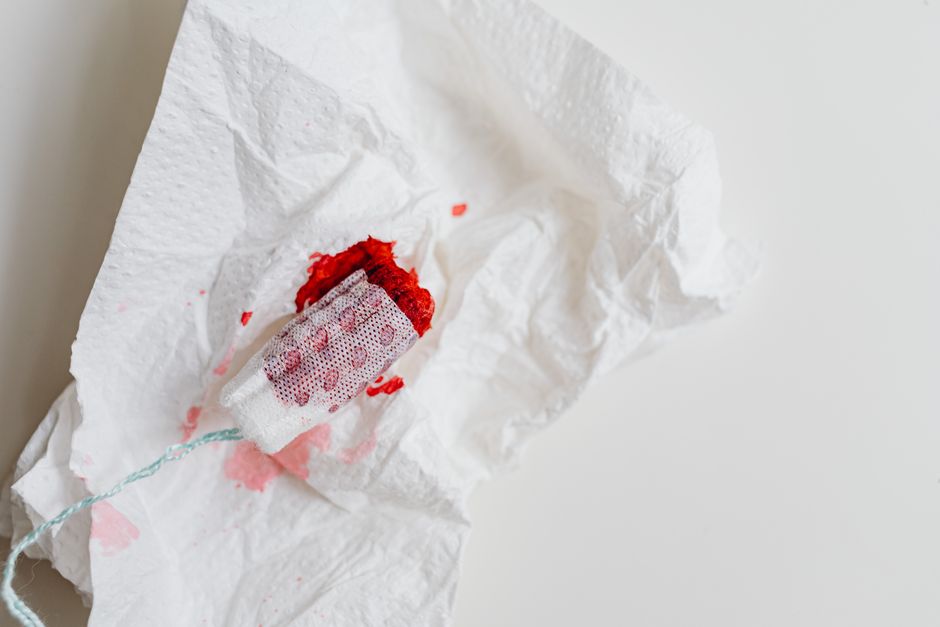
Bleeding after your period has ended is not normal, and it deserves attention rather than guesswork. This type of bleeding—often called post-menstrual spotting—can happen for many reasons, ranging from harmless hormonal shifts to conditions that need medical treatment. The most important first step is recognizing that this is a symptom, not a condition itself. You cannot diagnose the cause from the bleeding alone, but you can learn what questions to ask your doctor and which signs mean you need care sooner rather than later.
What Counts as Bleeding After Your Period?
Your period typically lasts 3 to 7 days. Bleeding that starts again after your period has fully stopped is different from a period that drags on longer than usual. Spotting refers to light bleeding that may be pink, red, or brown. Brown blood is older blood leaving the body slowly. Fresh red blood means active bleeding.
Timing matters. Bleeding a day or two after your period ends may have a different cause than bleeding two weeks later. Bleeding after sex is also a separate category with its own common causes. Track when the bleeding happens, how heavy it is, and whether it comes with pain. This information helps your doctor narrow down the possibilities.
Hormonal Causes Are the Most Common Reason
Hormones control your menstrual cycle. When estrogen and progesterone levels shift unexpectedly, the uterine lining can shed at the wrong time. This is called breakthrough bleeding.
Missed birth control pills are a frequent trigger. Combination pills keep hormone levels steady. Missing even one pill can cause spotting. Progestin-only methods, like the mini-pill or hormonal IUD, commonly cause irregular bleeding for the first several months. This is not dangerous, but it can be annoying.
Perimenopause is another major cause. In the years leading up to menopause, estrogen levels fluctuate widely. These fluctuations can cause spotting between periods or after a period seems finished. Some women in perimenopause also have shorter cycles or heavier bleeding. If you are in your 40s or 50s and noticing new bleeding patterns, hormonal change is a likely explanation.
Uterine Fibroids and Polyps
Fibroids are noncancerous growths in the muscle wall of the uterus. Polyps are small, finger-like growths on the inner lining of the uterus. Both are common and both can cause bleeding outside your normal period.
Fibroids are more likely to cause heavy or prolonged periods than post-period spotting, but they can cause both. The location of the fibroid matters. Submucosal fibroids, which grow into the uterine cavity, are more likely to cause abnormal bleeding than fibroids in the outer muscle wall.
Uterine polyps are often the culprit when bleeding happens after your period or after sex. They are usually benign, but a doctor can remove them and test the tissue. Ultrasound is the standard first test to look for both fibroids and polyps.





Infections and Inflammation
Infections in the reproductive tract can cause bleeding between periods. Sexually transmitted infections like chlamydia and gonorrhea can inflame the cervix, leading to spotting. Pelvic inflammatory disease, which is an infection of the upper reproductive tract, can also cause abnormal bleeding.
Cervicitis is inflammation of the cervix. It can be caused by infection, but also by irritation from douching, tampons, or allergic reactions to latex. The bleeding from cervicitis is often light and may happen after sex or between periods.
If the bleeding comes with pelvic pain, unusual discharge, fever, or pain during sex, an infection is more likely. These symptoms warrant prompt medical evaluation. Untreated infections can lead to more serious complications, including infertility.
Thyroid Problems and Other Medical Conditions
Your thyroid gland regulates metabolism, and thyroid hormones influence your menstrual cycle. Both an underactive thyroid and an overactive thyroid can cause irregular bleeding. If you have other symptoms like fatigue, weight changes, or temperature intolerance, thyroid testing is reasonable.
Bleeding disorders can also present as abnormal uterine bleeding. Conditions like von Willebrand disease affect blood clotting. Women with bleeding disorders often have heavy periods from menarche and may also have spotting between periods. If you bruise easily, bleed heavily from small cuts, or have a family history of bleeding problems, mention this to your doctor.
When Bleeding After Your Period Is a Warning Sign
Most causes of post-period bleeding are benign. But some are not. Endometrial cancer, which is cancer of the uterine lining, can cause abnormal bleeding. The risk is highest in postmenopausal women, but it can occur in younger women too.
Postmenopausal bleeding—bleeding that happens a year or more after your last period—is always evaluated. The standard evaluation includes an ultrasound and often a biopsy of the uterine lining. Most postmenopausal bleeding is caused by benign conditions like atrophy or polyps, but cancer must be ruled out.
Cervical cancer can also cause bleeding, especially after intercourse. Regular Pap smears screen for cervical cancer, but abnormal bleeding should still be reported even if your last Pap was normal.
Ectopic pregnancy is a rare but serious cause of abnormal bleeding. This happens when a fertilized egg implants outside the uterus, usually in a fallopian tube. If you are of reproductive age and sexually active, pregnancy is always a possibility, even with irregular periods. Ectopic pregnancy is a medical emergency and requires immediate treatment.
What Your Doctor Will Do
Your doctor will start with a detailed history. Be prepared to describe the bleeding pattern, your last period, any pain, and your birth control method. You will likely have a pelvic exam and a Pap smear if one is due.
Ultrasound is the most common imaging test. It can show fibroids, polyps, and the thickness of the uterine lining. Depending on your age and the ultrasound findings, your doctor may recommend a biopsy. This involves taking a small sample of the uterine lining for laboratory testing. It is a quick procedure done in the office.
Blood tests may check your thyroid, hormone levels, or blood counts. If you have risk factors for infection, testing for STIs is standard.
Treatment depends entirely on the cause. Hormonal birth control can regulate bleeding. Polyps can be removed surgically. Fibroids have several treatment options, from medication to surgery. Infections are treated with antibiotics. If the evaluation is normal and bleeding is light, your doctor may recommend observation and follow-up.
When to Seek Care Quickly
Some situations require urgent evaluation. Seek care right away if you have heavy bleeding that soaks through a pad or tampon every hour for several hours, severe pelvic pain, fever, dizziness, or fainting. These symptoms could indicate a serious condition like ectopic pregnancy, heavy infection, or significant blood loss.
For lighter bleeding, you do not need to panic, but you also should not wait months. Make an appointment within a few weeks. Keep a record of your bleeding days in a calendar or app. This simple step gives your doctor useful information and helps you track whether the pattern changes.
Frequently Asked Questions
Can stress cause bleeding after my period?
Yes, stress can affect the hormones that regulate your cycle and cause spotting. This is not dangerous, but persistent spotting should still be evaluated to rule out other causes.
Is brown discharge after my period normal?
Brown discharge is old blood leaving the body and is often normal for a day or two after your period. If it lasts longer than a few days or happens every cycle, see your doctor.
Can birth control cause bleeding after my period?
Yes, especially in the first few months of use or if you miss pills. Breakthrough bleeding from birth control is common and usually settles with time.
What does it mean if I bleed after sex?
Bleeding after sex can be caused by cervical irritation, infection, polyps, or in rare cases cervical cancer. It should always be evaluated by a doctor.
