
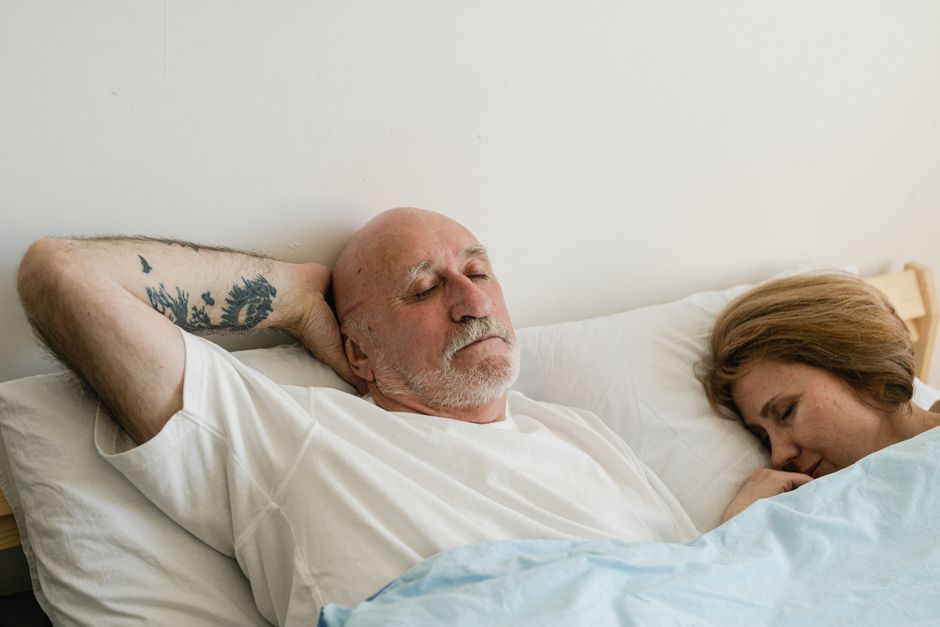
Sleep is one of the few things that can change how you feel all day, and most people are not getting enough of the deep kind. Deep sleep is the stage where your body repairs tissue, builds bone and muscle, and strengthens your immune system. To get more of it, you need to address your sleep environment, your daily habits, and your evening routine in specific ways that are backed by research.
What Actually Counts as Deep Sleep?
Deep sleep is formally called slow-wave sleep or stage N3. It is the third stage of the sleep cycle, and it is the hardest stage to wake someone from. During this stage, your brain waves slow down dramatically, your heart rate drops, and your breathing becomes steady and slow.
Most deep sleep happens in the first half of the night. If you stay up too late, you miss the window where your body is most likely to produce this stage. Adults typically spend about 13 to 23 percent of the night in deep sleep, though this percentage naturally declines with age. If you are in your 40s or 50s, you likely get less deep sleep than you did in your 20s. That is normal, but it does not mean you cannot improve it.
Why Your Room Temperature Is Not a Suggestion
Your core body temperature must drop by about 1 to 2 degrees Fahrenheit to initiate and maintain sleep. This is a physiological requirement, not a preference. When your bedroom is too warm, your body struggles to cool down, and your brain receives signals that it is not time for deep sleep.
Research consistently shows that a cooler room supports better sleep. Most sleep specialists suggest keeping your bedroom between 60 and 67 degrees Fahrenheit. If you wake up sweating or feel your sheets are damp, your room is too warm. A simple change is to lower the thermostat before bed or use a fan to improve air circulation.
Your bedding matters too. Natural fibers like cotton and linen breathe better than synthetic materials. They allow heat to escape rather than trapping it against your skin. If you tend to sleep hot, consider a lighter blanket even in winter.
What You Eat and Drink in the Evening Matters More Than You Think
Caffeine is the most obvious culprit. Caffeine has a half-life of about 5 to 6 hours. That means if you drink a coffee at 4 p.m., half of the caffeine is still in your system at 9 or 10 p.m. This does not just make it harder to fall asleep; it reduces the amount of deep sleep you get even if you do fall asleep. Stop caffeine at least 8 hours before your planned bedtime.
Alcohol is trickier. Many people believe a nightcap helps them sleep because it makes them drowsy. Alcohol does help you fall asleep faster, but it fragments your sleep later in the night. It suppresses REM sleep and deep sleep in the second half of the night. If you drink, keep it to earlier in the evening and limit the amount.
Large meals close to bedtime are also problematic. Digestion raises your core body temperature and keeps your metabolism active. Try to finish eating at least 2 to 3 hours before bed. A light snack is fine if you are hungry, but a heavy meal will interfere with your ability to reach deep sleep.





A Consistent Wake Time Is More Powerful Than a Consistent Bedtime
Most advice focuses on when you go to bed, but your wake time is actually the anchor for your circadian rhythm. Waking up at the same time every day, including weekends, trains your body to know when to start producing sleep hormones at night.
This is one of the most effective sleep tips that actually work, yet it is the hardest for many people to follow. If you sleep in on Saturday until 10 a.m. but wake at 6 a.m. on weekdays, your body cannot establish a reliable rhythm. Over time, this inconsistency reduces the quality of your sleep overall.
Start by picking a wake time you can stick to every single day for two weeks. Even if you had a poor night of sleep, get up at that time. Your body will adjust, and your deep sleep will improve as your circadian rhythm stabilizes.
Light Exposure: The Hidden Switch for Deep Sleep
Your brain uses light to set its internal clock. Morning light tells your body that the day has started and suppresses melatonin, the sleep hormone. Evening light, especially blue light from screens, delays melatonin production and pushes your sleep later.
Get bright light within the first hour of waking. Natural sunlight is best. Even 10 to 15 minutes outside in the morning helps regulate your circadian rhythm. This simple habit improves both how fast you fall asleep and how much deep sleep you get.
In the evening, dim the lights about an hour before bed. Use lamps instead of overhead lights if possible. If you must use your phone or computer, reduce the screen brightness. Some studies suggest that blue light blocking glasses can help, but the strongest evidence points to simply reducing overall light exposure in the evening.
Exercise Improves Deep Sleep, But Timing Matters
Regular physical activity is one of the most reliable ways to increase deep sleep. Exercise raises your body temperature, and the subsequent drop in temperature hours later promotes sleepiness. It also reduces stress and anxiety, which are common barriers to deep sleep.
Research consistently shows that moderate aerobic exercise, like brisk walking or cycling, improves sleep quality. The key is consistency. Even 30 minutes of moderate exercise most days of the week can make a measurable difference.
Timing is less clear. Some people find that vigorous exercise too close to bedtime keeps them awake because of elevated heart rate and adrenaline. If you exercise in the evening, pay attention to how you feel. If you have trouble falling asleep after evening workouts, move your exercise earlier in the day. Morning or afternoon exercise tends to be safest for sleep.
How To Have Deeper Sleep Tips That Actually Work: Your Evening Routine
A predictable wind-down routine signals to your brain that sleep is coming. The routine does not need to be elaborate. It just needs to be consistent. The goal is to lower your arousal levels so your body can transition into sleep naturally.
Start your routine 30 to 60 minutes before bed. This is not the time for work emails, difficult conversations, or intense problem solving. Instead, choose calming activities like reading a physical book, gentle stretching, or taking a warm shower. A warm shower 1 to 2 hours before bed helps your body temperature drop afterward, which promotes sleepiness.
Avoid checking the clock. Watching the minutes pass creates anxiety about not sleeping, which makes sleep harder. Turn your clock away from view or remove it from the bedside entirely.
Keep your bedroom dark. Use blackout curtains or a sleep mask. Even small amounts of light, like from a digital alarm clock, can disrupt your sleep architecture. If you need a night light, choose one with a red or amber hue, as these wavelengths are less disruptive to melatonin production.
What To Do When You Cannot Fall Asleep
If you are lying in bed and cannot fall asleep after about 20 minutes, get out of bed. This is not a myth; it is a core component of cognitive behavioral therapy for insomnia, which is the first-line treatment for chronic sleep problems.
Staying in bed while awake trains your brain to associate your bed with wakefulness. Instead, go to another room, do something quiet in dim light, and return to bed only when you feel sleepy. This breaks the cycle of frustration and sleeplessness.
Do not scroll on your phone during these waking periods. The light and content will keep you alert. Read a boring book, listen to calm music, or simply sit quietly. The goal is to lower your arousal, not to entertain yourself.
When To Talk to a Doctor About Your Sleep
If you consistently feel unrefreshed despite following good sleep habits, it may be time to speak with a healthcare provider. Sleep apnea is a common condition where breathing repeatedly stops during sleep. It severely reduces deep sleep and can have serious health consequences. Loud snoring, gasping during sleep, and excessive daytime sleepiness are warning signs.
Other medical conditions can also interfere with deep sleep, including restless legs syndrome, chronic pain, and thyroid disorders. Some medications affect sleep architecture as well. A doctor can help identify whether an underlying condition is responsible for your poor sleep quality.
Do not try to treat sleep problems with over-the-counter supplements without understanding the evidence. Melatonin has some evidence for helping with jet lag and shift work, but the evidence for general insomnia is mixed. No supplement has been shown to reliably increase deep sleep in healthy adults.
Frequently Asked Questions
How many hours of deep sleep do I need per night?
Most adults need about 1.5 to 2 hours of deep sleep per night, which is roughly 13 to 23 percent of total sleep time. This amount naturally decreases with age.
Does a weighted blanket improve deep sleep?
Some studies suggest weighted blankets may improve sleep quality for certain people, but the evidence is not strong enough to confirm they specifically increase deep sleep. They may help by reducing anxiety and promoting a sense of calm.
Can I make up for lost deep sleep on the weekends?
You can partially recover from sleep debt, but you cannot fully make up for missed deep sleep. A consistent sleep schedule is more effective for long-term sleep quality than trying to catch up on weekends.
Does white noise help you sleep deeper?
White noise can help by masking disruptive sounds that would otherwise wake you, which may protect your sleep continuity. It does not directly increase deep sleep, but it can prevent interruptions that pull you out of it.
