
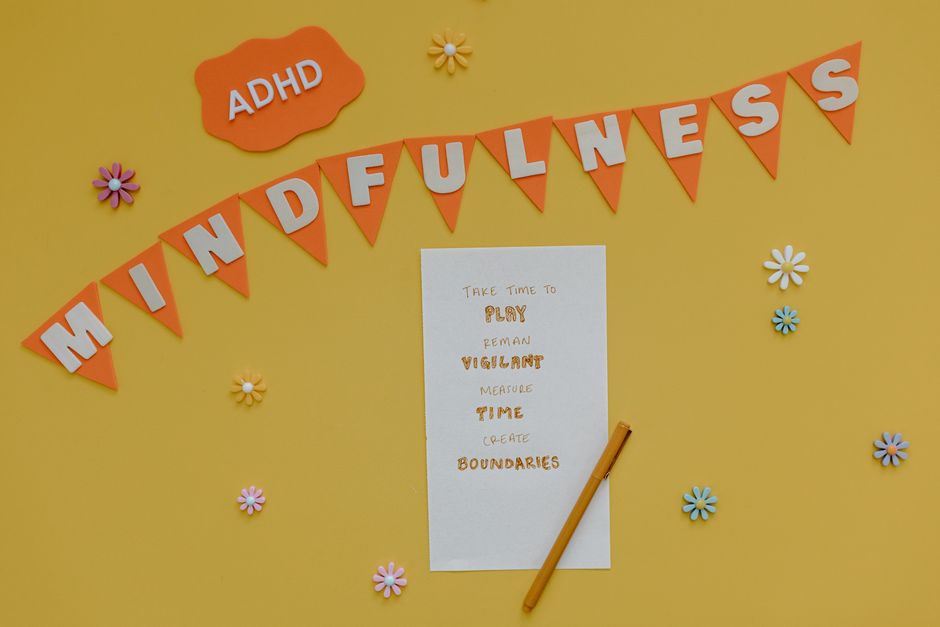
ADHD meltdowns are intense emotional explosions that happen when overwhelm passes a tipping point. They are not tantrums or bad behavior — they are a neurological response to sensory overload, frustration, or executive function failure. The best way to handle one is to reduce triggers before they build, stay calm during the explosion, and focus on rest and recovery afterward. With the right approach, meltdowns become shorter, less frequent, and easier to manage.
What Is an ADHD Meltdown and How Is It Different From a Tantrum?
An ADHD meltdown is a loss of emotional control that happens when the brain becomes overloaded. For someone with ADHD, the brain struggles with emotional regulation even on good days. When stress, sensory input, or frustration accumulates past a certain point, the thinking part of the brain essentially goes offline and the emotional part takes over.
A tantrum is goal-directed. A child having a tantrum wants something and uses crying or yelling to get it. A meltdown is not strategic. The person is not trying to get anything — they are simply overwhelmed and cannot stop the reaction once it starts. This distinction matters because the response is different. Ignoring a tantrum can be effective. Ignoring a meltdown usually makes it worse.
What Triggers an ADHD Meltdown?
Meltdowns rarely come out of nowhere. They follow a predictable pattern of building stress that reaches a breaking point. Recognizing the early signs gives you a chance to intervene before the explosion happens.
Common triggers include sensory overload such as loud noises, bright lights, or crowded spaces. Task switching is another major trigger — moving from one activity to another without warning can feel genuinely painful for an ADHD brain. Frustration with a difficult task, especially one that requires sustained attention, builds quickly. Hunger, fatigue, and low blood sugar lower the threshold for meltdowns significantly. Emotional triggers like criticism, perceived rejection, or feeling misunderstood can also set one off.
One non-obvious trigger is something called “waiting mode.” Many adults with ADHD cannot relax while waiting for an appointment or event because they fear losing track of time. That tension can simmer for hours and erupt over something small right before the event.
What Are the Warning Signs Before a Meltdown?
Most people show warning signs for minutes or even hours before a meltdown. Learning to spot these signs in yourself or your child is the single most effective prevention tool.
Physical signs include restlessness, pacing, fidgeting more than usual, or a flushed face. Emotional signs include irritability, snapping at small things, or becoming unusually quiet. Cognitive signs include difficulty finding words, losing track of a conversation, or staring blankly. Some people describe feeling “buzzy” or like their skin is crawling.
The key is to act on these signs early. Waiting until the person is already yelling or crying is too late. Early intervention can stop the escalation entirely.





What Should You Do During an ADHD Meltdown?
During a meltdown, the brain is not processing complex information. Trying to reason, explain, or discipline at this moment will not work — the person cannot hear you. Your job is to reduce stimulation and keep everyone safe until the storm passes.
Lower the sensory load. Turn off lights if possible, reduce noise, and give the person space. Speak in a calm, flat tone using very few words. Something like “You are safe. I am here” repeated quietly is more effective than long explanations.
Do not ask questions. Questions require thinking, and thinking is not available during a meltdown. Do not say “calm down” — that instruction is impossible to follow in this state. Do not touch the person unless they invite it. Many people with ADHD experience touch as additional sensory input during a meltdown, which can worsen the reaction.
For children, stay nearby but do not hover. For adults, offer to leave the room if that helps. Some people need to be alone to decompress. Others need quiet presence. Ask what they prefer during calm moments so you know what to do when a meltdown happens.
How Long Do ADHD Meltdowns Last and What Helps Them End?
Most meltdowns last between 20 and 30 minutes, though the emotional after-effects can linger for hours. The intensity usually peaks within the first few minutes and then gradually decreases. Trying to speed up the process usually backfires.
What ends a meltdown is the nervous system returning to baseline. This happens naturally when stimulation is low and the person feels safe. Deep pressure can help some people — a weighted blanket or a firm hug if the person wants it. Slow breathing helps once the person can engage with it, but do not introduce breathing exercises mid-meltdown. They require too much cognitive effort.
After the peak passes, the person may feel exhausted, embarrassed, or ashamed. This post-meltdown period is not the time for lectures or consequences. The brain needs time to recover before it can process what happened.
How To Handle ADHD Meltdowns Triggers Tips Recovery — What Works After the Meltdown?
Recovery has two phases. The first is immediate rest. The second is learning from the event to prevent the next one.
Immediately after a meltdown, the nervous system is depleted. The person needs water, food if they have not eaten, and quiet time. Sleep is the most effective recovery tool — many adults with ADHD report that a short nap resets them completely. For children, a calm activity like drawing or listening to audiobooks helps the brain settle.
Do not process the event right away. The person cannot reflect on what happened until the nervous system has fully recovered, which can take hours or even a full day. Trying to discuss it too soon leads to shame and defensiveness, not learning.
When you do talk about it, focus on triggers and prevention, not blame. Ask “What was building up before that happened?” rather than “Why did you do that?” The answer to the first question is useful. The answer to the second is usually “I don’t know” — because they genuinely do not know.
How Can You Prevent ADHD Meltdowns Long-Term?
Prevention is about managing the factors that lower the meltdown threshold. This is not about eliminating meltdowns entirely — that is not realistic for most people with ADHD. It is about reducing frequency and severity.
Sleep is the foundation. Poor sleep dramatically lowers emotional regulation capacity. Most adults with ADHD need consistent sleep schedules, not just enough hours. Skipping sleep even one night raises the risk of meltdowns for days afterward.
Hunger is a preventable trigger. People with ADHD often lose track of time and skip meals, which causes blood sugar drops that make emotional control harder. Eating regular meals with protein helps stabilize mood. This is not about diet as a treatment for ADHD — it is about removing a preventable trigger.
Medication matters for many people. Stimulant and non-stimulant ADHD medications help with emotional regulation because they improve the brain’s ability to pause before reacting. If meltdowns are frequent and severe, it is worth discussing medication options with a psychiatrist. Medication is not a cure, but it can raise the threshold for meltdowns significantly.
Exercise is another protective factor. Physical activity burns off the restless energy that builds toward meltdowns. Even a 10-minute walk can help reset a stressed nervous system. The effect is temporary, so consistency matters more than intensity.
How Do You Support a Partner or Child With ADHD Meltdowns?
Supporting someone who has meltdowns requires understanding what the meltdown is not. It is not manipulation. It is not a lack of discipline. It is not something the person can simply decide to stop doing. When you internalize this, your response changes from frustration to genuine help.
For parents, the most important shift is moving from punishment to prevention. A child who is punished after a meltdown learns to hide their distress, not to manage it. That hiding leads to more explosions later because the pressure builds without an outlet. Instead, work with the child to identify their early warning signs and create a plan for what to do when they feel overwhelmed.
For partners, the most important skill is learning to not take the meltdown personally. During a meltdown, the person may say hurtful things they do not mean. The ADHD brain in distress grabs whatever words are available, and those words are often the ones that cause the most damage. This does not excuse the words, but it explains them. Addressing hurtful language should happen during calm times, not during or immediately after a meltdown.
When Should You Seek Professional Help for ADHD Meltdowns?
Meltdowns that happen daily, last over an hour, or involve physical aggression toward self or others warrant professional help. Frequent meltdowns can also signal that an ADHD medication dose needs adjusting or that a co-occurring condition like anxiety or depression is present.
Cognitive behavioral therapy helps many adults with ADHD learn emotional regulation skills. Dialectical behavior therapy, originally developed for borderline personality disorder, has been adapted for ADHD and focuses specifically on distress tolerance and emotional regulation. Occupational therapy can help children with sensory processing issues that contribute to meltdowns.
If meltdowns are causing problems at work, school, or in relationships, that is a clear sign that the current management plan is not sufficient. Seeking help is not a failure — it is a practical step toward a more stable life.
Frequently Asked Questions
How long does an ADHD meltdown last?
Most meltdowns last between 20 and 30 minutes, with the peak intensity in the first few minutes. The emotional after-effects can linger for hours afterward as the nervous system recovers.
Can ADHD meltdowns happen in adults?
Yes, ADHD meltdowns are common in adults and are not limited to children. Adults with ADHD experience the same emotional dysregulation and sensory overload that triggers meltdowns in younger people.
What is the difference between an ADHD meltdown and a panic attack?
A meltdown is an overload of frustration and sensory input that causes emotional flooding, while a panic attack is a fear response with physical symptoms like racing heart and shortness of breath. Meltdowns often involve anger or crying, whereas panic attacks involve intense fear of danger or losing control.
Should you punish a child after an ADHD meltdown?
No, punishment after a meltdown is not effective because the child cannot control the reaction and punishment increases shame. Focus instead on identifying triggers and teaching prevention skills during calm moments.
