
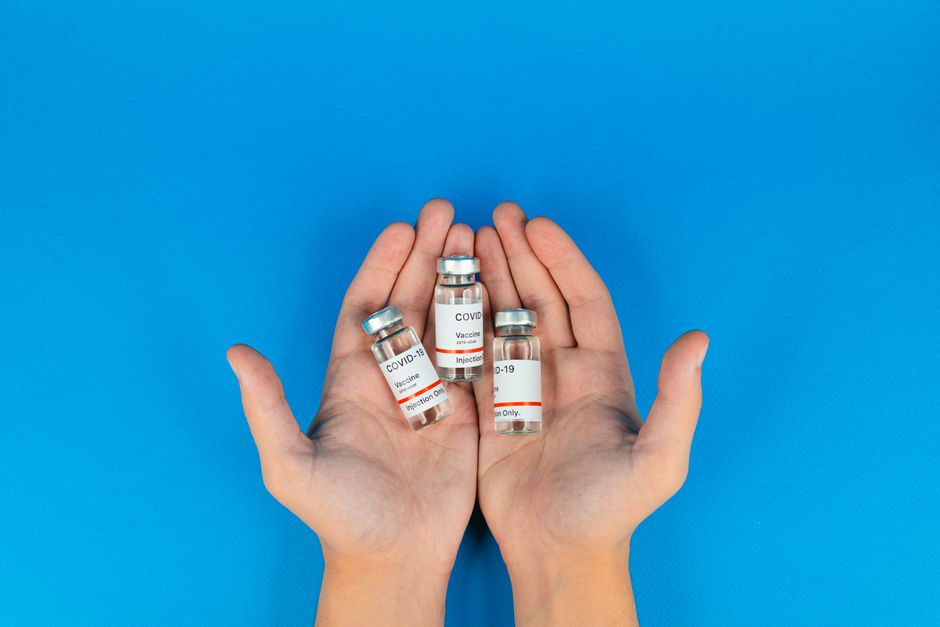
If you recently recovered from COVID-19, you can get vaccinated as soon as your isolation period ends and your symptoms have improved. The Centers for Disease Control and Prevention (CDC) advises that you do not need to wait a specific number of days after recovery, but you should be fever-free and out of isolation before getting the shot. If you were treated with monoclonal antibodies or convalescent plasma, you should wait at least 90 days before receiving the vaccine.
When Should You Get The Vaccine After Covid Recovery?
You should get vaccinated once your acute illness has passed. That means your isolation period is over and you feel well enough to leave the house. You do not need a negative test to get vaccinated after having COVID-19.
The main requirement is being out of the isolation window recommended by public health officials. For most people, that is at least 5 days after symptoms started, provided your fever has resolved for 24 hours without medication and your other symptoms are improving.
If you had no symptoms but tested positive, you can get vaccinated once your isolation period ends. If you were severely ill and required hospitalization, or if you have a weakened immune system, talk to your doctor about the best timing for your specific situation.
Why Waiting Until You Feel Better Matters
Getting vaccinated while you are actively sick is not dangerous, but it is not useful either. Your immune system is already busy fighting the live virus. Adding a vaccine at that moment does not improve your protection and may make your symptoms feel worse.
The vaccine works best when your body is not under active viral stress. Giving your immune system a few days to clear the infection allows it to respond to the vaccine more effectively. This is a practical recommendation, not a strict medical rule.
There is no evidence that getting vaccinated during active infection causes harm. The concern is simply that you may not mount a strong immune response, and you may feel unnecessarily unwell from the combined effects of illness and vaccine side effects.
What If You Were Treated With Antibodies?
If you received monoclonal antibody treatment or convalescent plasma during your illness, the timing changes. These treatments contain antibodies that can interfere with your body’s ability to build its own immunity from the vaccine.
The CDC recommends waiting 90 days after receiving monoclonal antibodies or convalescent plasma before getting vaccinated. This waiting period ensures the passive antibodies have faded enough that they will not block your immune system’s response to the vaccine.
This is not a sign that the vaccine is unsafe after antibody treatment. It is simply a matter of effectiveness. Getting the vaccine too soon after antibody therapy may mean you get less protection from the shot.


Natural Immunity Versus Vaccine Immunity
Having had COVID-19 does give you some protection against getting it again. Studies show that natural immunity reduces your risk of reinfection for several months. However, that protection fades over time and varies significantly from person to person.
Vaccination after infection adds another layer of defense. Research indicates that people who have both natural immunity and vaccination tend to have higher antibody levels than people with either alone. This combination is sometimes called hybrid immunity.
The vaccine also broadens your immune response. It trains your body to recognize multiple parts of the virus, not just the parts your particular infection exposed you to. This matters because new variants continue to emerge.
Natural immunity alone is not a reliable long-term strategy. The strength and duration of protection depend on how sick you were, your age, and your overall health. Vaccination provides a more consistent and measurable immune response.
How Long Does Protection Last After Infection Plus Vaccination?
Protection after infection plus vaccination is generally strong, but it does not last forever. Research suggests that hybrid immunity offers good protection against severe disease for at least 6 to 12 months.
Protection against mild infection and transmission fades faster than protection against severe illness. This is why public health officials recommend staying up to date with boosters even after you have had COVID-19 and been vaccinated.
The exact duration of protection is still being studied. New variants can partially evade immunity from both natural infection and vaccination. Staying current with recommended doses remains the best way to maintain strong protection.
Should You Get a Booster After Recovering From COVID-19?
Yes, you should still get recommended booster doses after recovering from COVID-19. Having the infection does not replace the need for boosters. The booster schedule applies to you just as it does to someone who has never been infected.
The same timing rule applies. Wait until your isolation period ends and your symptoms have improved. If you received antibody treatment, wait the full 90 days before getting any COVID-19 vaccine dose, including a booster.
There is no benefit to delaying your booster beyond the recommended interval just because you had COVID-19. In fact, getting your booster on schedule after recovery gives you the best protection against future variants.
Can You Get Other Vaccines at the Same Time?
Yes, you can get a COVID-19 vaccine at the same time as other vaccines, including the flu shot. The CDC states that co-administration of COVID-19 vaccines with other vaccines is safe and effective.
This was not always the recommendation. Early in the vaccine rollout, officials suggested waiting 14 days between COVID-19 vaccines and other shots. That guidance has been updated as more data became available.
If you are due for both a COVID-19 vaccine and a flu shot, getting them together saves you an extra appointment. Side effects are generally the same as getting either vaccine alone.
Frequently Asked Questions
Can I get the COVID vaccine immediately after testing negative?
You do not need a negative test before getting vaccinated after COVID-19. You can get vaccinated once your isolation period is over and your symptoms have improved, regardless of test results.
How long after COVID symptoms can I get the vaccine?
You can get vaccinated once your isolation period ends, which is typically at least 5 days after symptoms started. You should be fever-free for 24 hours without fever-reducing medication before getting the shot.
Do I need to wait 90 days after COVID to get vaccinated?
Only if you received monoclonal antibody treatment or convalescent plasma during your illness. Otherwise, there is no required 90-day waiting period after recovering from COVID-19.
Is it safe to get the vaccine while I still have mild COVID symptoms?
It is not recommended to get vaccinated while actively sick with COVID-19. Wait until your symptoms have improved and your isolation period is complete so your immune system can respond properly to the vaccine.
