
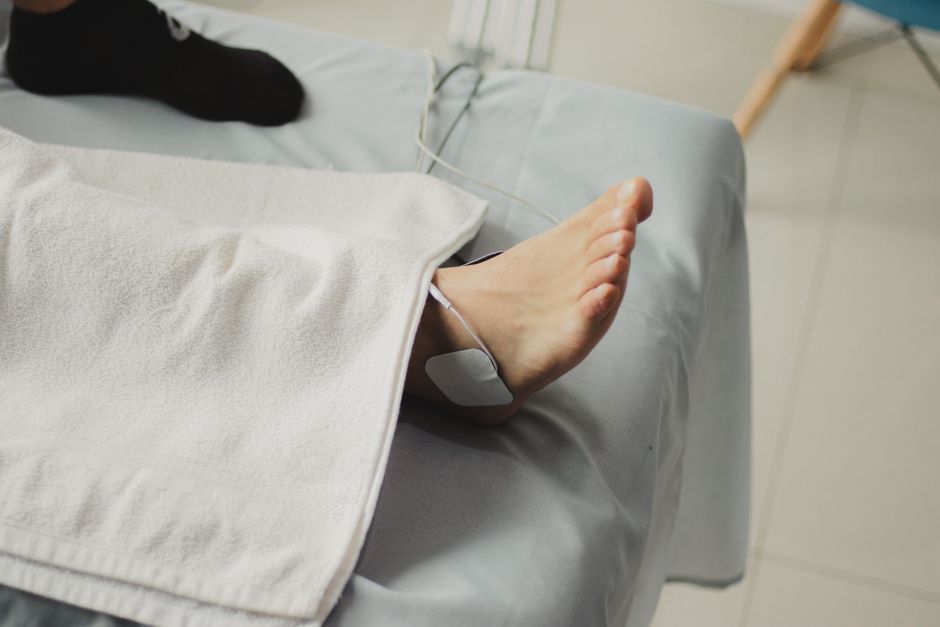
Shin splints are one of the most common running injuries, and they can stop your training in its tracks. The pain along the inside of your shinbone usually comes from doing too much too soon. The path from pain to recovery involves immediate relief, a period of relative rest, and a structured return to activity.
What Exactly Are Shin Splints?
Shin splints, known medically as medial tibial stress syndrome, is not a single injury. It is a broad term for pain along the inner edge of the tibia, the large bone in your lower leg. The condition develops when the muscles, tendons, and bone tissue in that area become overloaded from repetitive stress.
During running or high-impact activities, the muscles in your lower leg pull on the bone where they attach. When that pulling force happens too often without enough recovery time, the bone responds with inflammation and irritation. In more severe cases, the bone itself develops tiny stress reactions that can progress to a stress fracture if ignored.
This is not the same as a muscle strain or shin soreness from a single hard workout. Shin splints build up gradually. The pain often feels better during a warm-up, only to return after you cool down or the next morning.
How Do I Know If It Is Shin Splints or a Stress Fracture?
Distinguishing between shin splints and a stress fracture matters because the treatment timelines differ significantly. Shin splints typically cause a dull, aching pain along a broad area of the shin. A stress fracture usually causes a sharper, more localized pain that you can point to with one finger.
A simple test can help you tell the difference. If pressing on a specific spot on your shin causes intense pain, or if hopping on the affected leg is extremely painful, you may have a stress fracture. Shin splint pain is usually more diffuse and less intense with direct pressure. If you suspect a stress fracture, see a doctor for imaging rather than trying to run through it.
What Is the Fastest Way to Relieve Shin Splint Pain?
The fastest pain relief comes from stopping the activity that caused the injury. Continuing to run on painful shins only prolongs recovery and increases the risk of a stress fracture. This is not a suggestion to stop forever — it is a short-term strategy to allow the tissue to settle down.
Applying ice to the painful area for 15 to 20 minutes several times a day can help reduce inflammation. Over-the-counter anti-inflammatory medication may also help, but use it according to the label and check with your pharmacist if you have other medical conditions. Pain relief from ice and medication is temporary, so use this window to address the underlying cause.
Calf stretches and gentle foot exercises can help, but only after the acute pain starts to subside. Stretching a severely inflamed area can make things worse. Let pain be your guide — if an activity increases your pain level, stop doing it.





How Long Does Shin Splint Recovery Take?
Recovery time depends on how severe the injury is and how well you follow the recovery plan. Most people see significant improvement within 2 to 4 weeks of relative rest. Full recovery, where you can return to your previous training volume without pain, may take 6 to 8 weeks or longer.
The biggest mistake people make is returning to running too soon. Pain-free walking is a good sign, but it does not mean your bone and muscles are ready for the impact of running. A general rule is to be pain-free during daily activities for at least a week before attempting to run again.
When you do return, start at a lower intensity and shorter duration than where you left off. Running every other day rather than daily gives your lower legs adequate recovery time between sessions. If pain returns, back off and rest for a few more days before trying again.
What Exercises Help Shin Splints Heal?
Strengthening the muscles that support your arch and ankle can reduce the stress on your shinbone. The calf raise is one of the most effective exercises. Stand on the edge of a step with your heels hanging off, rise up onto your toes, then slowly lower your heels below the step level. Perform 3 sets of 15 repetitions daily.
Toe curls and towel scrunches strengthen the small muscles in your foot. These muscles help absorb shock when you run. Stronger foot muscles mean less work for the muscles attached to your shinbone.
Resistance band exercises that strengthen the muscles on the outside of your ankle can also help. These muscles control how your foot lands when you run. Weakness here can cause your arch to collapse, which places extra strain on the inside of your shin.
Should I Run Through the Pain or Stop Completely?
You should not run through sharp or worsening pain. This is the clearest warning sign that the tissue is being damaged rather than adapting. Running through mild, stable discomfort may be acceptable in some cases, but it requires careful monitoring.
If you decide to continue some activity, choose low-impact alternatives. Swimming, cycling, and using an elliptical machine allow you to maintain fitness without the repetitive impact that aggravates shin splints. These activities do not stress the tibia the way running does.
Pay attention to your running form. Overstriding — landing with your foot too far in front of your body — increases the impact forces traveling up your leg. Shortening your stride and increasing your cadence can reduce the load on your shins.
What Causes Shin Splints in the First Place?
Shin splints rarely come from a single cause. They typically result from a combination of training errors and biomechanical factors. The most common trigger is a sudden increase in training volume, intensity, or frequency — the classic “too much, too soon” scenario.
Running on hard surfaces, wearing worn-out shoes, or transitioning from minimal to maximal cushioning shoes can all contribute. Flat feet or high arches can change how force is distributed through your lower leg. Weak hip and core muscles can also play a role, since they affect how your entire leg aligns during running.
Understanding your specific risk factors helps you prevent recurrence. If you got shin splints after increasing your mileage, your recovery plan should include a more gradual mileage progression. If you have flat feet, you may benefit from arch supports or stability shoes.
How To Care For Shin Splints Pain Relief To Recovery?
The complete care plan for shin splints follows a predictable sequence. First, reduce pain and inflammation with rest and ice. Second, once acute pain subsides, begin gentle stretching and strengthening exercises. Third, gradually return to activity while monitoring for pain. Fourth, address the underlying risk factors that caused the injury.
Throughout this process, pay attention to your footwear. Running shoes lose their cushioning and support over time, typically after 300 to 500 miles of use. If your shoes are old, replacing them may be a necessary part of your recovery.
Consider whether your training program was appropriate for your fitness level. A common mistake is following a training plan designed for a different experience level. If you are new to running, following a beginner program that includes walk-run intervals is safer than jumping straight into continuous running.
If your pain does not improve after 2 to 3 weeks of conservative care, or if it worsens despite rest, see a healthcare provider. A doctor or physical therapist can assess for other conditions and develop a more individualized treatment plan. Persistent shin pain that does not respond to basic care warrants professional evaluation.
Can I Prevent Shin Splints From Coming Back?
Prevention focuses on the same factors that cause the injury. Gradually increase your training load by no more than 10 percent per week. This applies to both mileage and intensity. Sudden jumps in either one can overload your lower legs.
Incorporate strength training into your routine at least twice per week. Stronger calf muscles, foot muscles, and hip stabilizers all contribute to better shock absorption during running. This is not optional for injury prevention — it is essential for runners who want to stay healthy.
Cross-training with low-impact activities gives your legs variety. Running every day, even at low intensity, repeats the same stress pattern on the same tissues. Replacing one or two running days per week with cycling or swimming reduces cumulative load while maintaining cardiovascular fitness.
Listen to your body. Early signs of shin splints — mild achiness that disappears during a warm-up — are a warning. Addressing these early signs with a few rest days is far easier than dealing with a full-blown injury that sidelines you for months.
Frequently Asked Questions
How long should I rest from running with shin splints?
Most people need 2 to 4 weeks of relative rest from running. You can do low-impact exercise like swimming or cycling during this time to maintain fitness.
Is it okay to walk with shin splints?
Walking is generally fine if it does not increase your pain. If walking hurts, reduce your distance or take more rest days until daily activities are comfortable.
Do compression sleeves help shin splints?
Some runners find compression sleeves provide temporary pain relief during activity. The evidence for them speeding up healing is limited, so treat them as comfort aids rather than treatment.
When can I run again after shin splints?
You can return to running when you have been pain-free during daily activities for about a week. Start at half your previous distance and increase gradually.
