
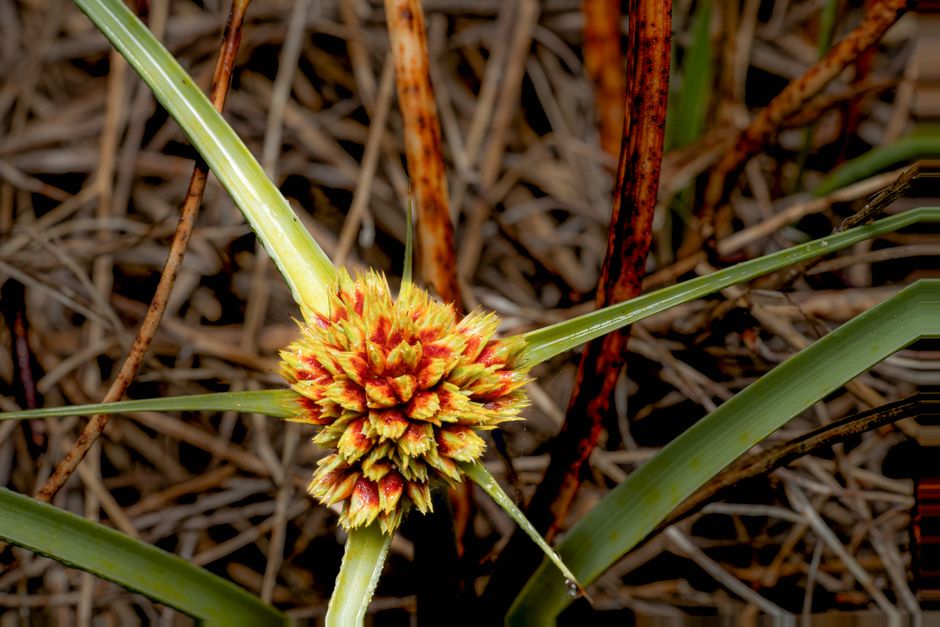
Pennsylvania sedge is one of the most useful native ground covers in eastern North America, and it does grow reliably from seed — but it takes patience and a specific process. The plant, Carex pensylvanica, is a cool-season sedge that spreads mainly by underground stems called rhizomes. Growing it from seed means managing seed dormancy first, sowing at the right depth and time, and keeping the seedbed consistently moist. Expect slow establishment. This is not a plant that races out of the gate.
Below is what is actually known about propagating this species from seed, along with the parts that are less certain so you can plan realistically.
What Is Pennsylvania Sedge and Why Do People Grow It?
Pennsylvania sedge is a low-growing, semi-evergreen perennial that forms a soft, grass-like carpet. It is native to woodland and savanna habitats across much of the eastern and central United States and parts of southern Canada. It spreads by rhizomes, which is why a single planting can gradually knit together into a dense mat over several years.
Gardeners and land managers use it because it tolerates dry shade, competes well with tree roots, and needs little mowing compared with conventional lawn turf. It is also a host plant for some native insects and provides cover for small wildlife. That combination of shade tolerance and low maintenance is the main reason it has become popular as a native lawn alternative.
One clarification worth making: Pennsylvania sedge is a sedge, not a grass. Sedges have triangular stems and belong to the genus Carex. This distinction matters because sedges often have different seed handling and germination behavior than true grasses.
How Do You Collect and Prepare Pennsylvania Sedge Seed?
Seed is typically collected in late spring to early summer, when the small seed heads mature and turn from green to a tan or brown color. Timing varies by region and weather. Check the seed heads regularly once they begin to change color, because they shatter and drop seed quickly once ripe.
Cut or strip the mature seed heads and let them dry in a paper bag or shallow tray. The seed is small, so cleaning takes some care. Light winnowing or gentle screening separates seed from chaff. Store cleaned seed dry and cool until you are ready to sow or stratify it.
What About Seed Dormancy?
Many Carex species, including Pennsylvania sedge, produce seed with some level of dormancy. The seed often germinates poorly if sown dry and warm without any pretreatment. Cold, moist stratification is the standard approach used to break this dormancy. In practice, that means exposing the seed to cool, damp conditions for a period before germination temperatures arrive.
You can stratify by mixing seed with a slightly damp medium such as sand or vermiculite, sealing it in a bag, and refrigerating it. Another option is to sow in fall outdoors and let natural winter conditions do the work. The exact chilling period that works best is not firmly established for this species in published guidelines, so treat any specific number of weeks as approximate rather than a fixed rule.
How To Grow Pennsylvania Sedge From Seed: Step by Step
The basic process is straightforward, but each step matters. Skipping stratification or letting the seedbed dry out is the most common reason for failure.
- Stratify the seed. Cold-moist stratify, either in the refrigerator or by fall sowing outdoors.
- Choose the right medium. Use a light, well-draining seed-starting mix. It should hold moisture without staying soggy.
- Sow shallow. Press seed onto the surface and cover only very lightly. Pennsylvania sedge seed needs light and moisture to germinate.
- Keep it moist. Mist regularly. Do not let the surface dry out during the germination period.
- Provide light. Bright, indirect light supports germination and early growth. Avoid harsh midday sun on young seedlings.
- Be patient. Germination is often slow and uneven. Do not give up on a flat that looks empty after a few weeks.
After seedlings develop a few leaves and a small root system, they can be moved into individual pots to grow on before planting out. Handle seedlings gently; the young roots are fine and easily damaged.



When and Where Should You Plant Pennsylvania Sedge?
Plant established seedlings out once they have a developed root system and the risk of hard frost has passed, or in early fall in milder regions. Fall planting lets roots establish while the soil is still warm.
Pennsylvania sedge performs best in part shade to full shade, though it tolerates more sun where soil stays moist. It is well suited to dry shade under mature trees, where many other ground covers struggle. It prefers soil that drains well. It will tolerate a range of soil types but does not thrive in consistently waterlogged ground.
Because it spreads by rhizomes, space plants according to how quickly you want coverage. Closer spacing fills in faster but costs more up front. Wider spacing is cheaper but leaves gaps for a longer time. There is no single correct spacing; it depends on your budget and how patient you are.
How Long Does It Take to Establish from Seed?
Slow. This is the honest answer. Pennsylvania sedge grown from seed is a long-term project, not a quick fix. Germination itself can be slow and spread out over an extended period. Once germinated, seedlings are small and grow at a modest pace.
Plants started from seed generally need a full growing season or more before they are large enough to plant out into the landscape. Even then, filling in into a continuous carpet takes multiple years as the rhizomes spread. If you want faster results, plugs or divisions are a much faster route than seed. Many people use seed for large areas where the cost of plugs would be prohibitive, and accept the slower timeline.
This is where a lot of frustration comes from. People expect a lawn-like result in one season and get a sparse planting instead. Setting realistic expectations up front makes the process far less discouraging.
What Problems Should You Expect?
Seedling damping-off is a common issue. This is a fungal problem that causes young seedlings to collapse at the soil line. It is more likely when the medium stays too wet or airflow is poor. Good air circulation and careful watering help reduce the risk. Do not overwater.
Dry conditions are the other main threat. Because the seed is sown shallow and the seedlings are small, the top layer of soil must stay consistently moist. A single dry spell can end a sowing. Misting several times a day or using a humidity dome can help, though a dome should be removed once seedlings emerge to improve airflow.
Slugs and small herbivores can damage tender seedlings outdoors. Because young sedge is low and soft, it is vulnerable. Monitor plantings and manage pests as needed.
Is Growing Pennsylvania Sedge from Seed Worth It?
It depends on your goal and your patience. For a small area, buying plugs or divisions is faster and more predictable. For large areas where cost matters, seed can be the more affordable option, provided you accept the slow timeline.
What is clear is that Pennsylvania sedge is a genuinely useful native plant for shade and dry-soil situations, and it does reproduce from seed when dormancy is handled correctly. What is less certain is any precise germination percentage or exact stratification duration for this species, because published, species-specific guidelines are limited. Treat specific numbers you see online with caution.
If you go the seed route, plan for a multi-year project. Start with stratified seed, sow shallow, keep it moist, and be patient through a slow first season. The reward is a durable, low-maintenance native ground cover that improves over time.
Frequently Asked Questions
Does Pennsylvania sedge seed need cold stratification?
Yes, the seed generally benefits from cold, moist stratification to break dormancy and improve germination. You can refrigerate it in a damp medium or sow it outdoors in fall and let winter do the work.
How long does Pennsylvania sedge take to grow from seed?
It is slow, and seedlings usually need a full growing season or more before they are ready to plant out. Filling in into a dense carpet takes multiple years as the rhizomes spread.
Can you grow Pennsylvania sedge in full sun?
It does best in part shade to full shade and tolerates more sun only where the soil stays moist. In hot, dry, full-sun conditions it tends to struggle.
Is Pennsylvania sedge a grass or a sedge?
It is a sedge in the genus Carex, not a true grass. Sedges have triangular stems and often need different seed handling than grasses.
