
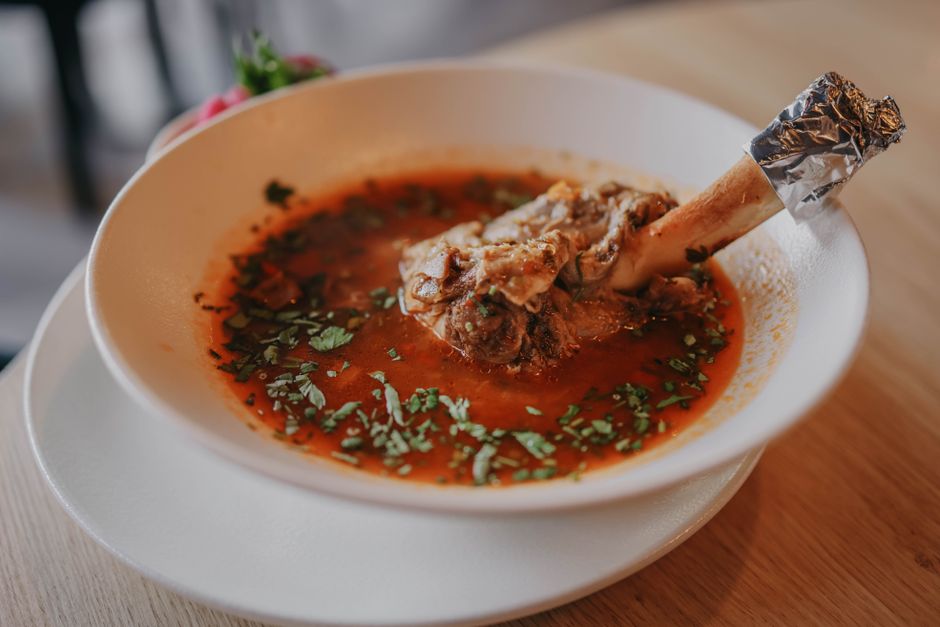
Bitter bone broth almost always comes down to one of three things: scorched bones or vegetables, overcooked aromatics like garlic and onion, or too much of an ingredient that is naturally bitter, such as parsley stems or certain herbs. The fix is usually simple — lower the heat, shorten the simmer for the bitter ingredients, and taste as you go. Bone broth bitterness is rarely a sign that you did something dangerous. It is a flavor problem, and flavor problems can be corrected.
Why Is Your Bone Broth Bitter And How To Fix It?
Bitterness in broth comes from compounds that are released or created during cooking. Understanding where they come from makes the fix obvious.
The most common culprit is heat that is too high. When bones or vegetables touch the bottom of a pot and scorch, they develop bitter compounds through a process similar to burning. Even a light brown crust on the bottom of the pot can flavor the entire batch. A rolling boil does the same thing over time — it drives bits of bone and vegetable against the hot metal where they stick and burn.
The second common cause is overcooked alliums and herbs. Garlic, onion, and parsley all contain naturally bitter compounds. Cooked briefly, they add sweetness and depth. Cooked for many hours, those compounds concentrate and the bitterness takes over. Parsley stems are especially prone to this — the stems are far more bitter than the leaves.
The third cause is certain vegetables. Cruciferous vegetables like broccoli, cabbage, cauliflower, and Brussels sprouts release sulfur compounds when cooked for a long time. Those compounds taste bitter and can make a whole pot unpleasant. Many traditional broth recipes avoid these vegetables for exactly this reason.
To fix an already-bitter batch, you have a few options that work to different degrees:
- Dilute it with water or unsalted stock. This reduces bitterness but also weakens flavor.
- Add a small amount of something sweet or fatty. A little carrot, a spoon of butter, or a splash of cream can round off bitter edges.
- Add salt. Salt does not remove bitterness, but it can make it less noticeable by balancing the overall taste.
- Skim and strain carefully. Bitterness often sits in the fine particles. Straining through a fine mesh or cheesecloth can help.
- Start over with fresh bones if the batch is badly scorched. Once burnt flavor is in the liquid, it is very hard to remove.
The best fix is prevention. Keep the heat at a bare simmer, never a boil. Add garlic, onion, and herbs in the last hour or two rather than at the start. Skip cruciferous vegetables entirely. And stir occasionally so nothing sticks to the bottom.
Does The Type Of Bone Affect Bitterness?
Yes, and this is one of the most overlooked factors. Different bones carry different amounts of marrow, fat, and connective tissue, and those differences change the flavor.
Marrow bones are rich and can turn bitter if boiled hard or cooked too long. The marrow itself is not bitter, but when it emulsifies into the liquid at high heat, it can develop off-flavors. Many cooks roast marrow bones first and then simmer them gently.
Knuckle and joint bones are high in collagen and gelatin. They tend to produce a cleaner, less bitter broth. If you are new to making broth, these are forgiving.
Chicken feet and wings are also high in gelatin and rarely turn bitter.
Fish bones and heads are a special case. They make excellent broth but turn bitter quickly. Fish stock is typically simmered for a short time — often under an hour — because longer cooking pulls bitter compounds from the bones and skin. If your fish broth is bitter, the cook time was almost certainly too long.
Old bones or bones that were not fresh can also carry off-flavors. If bones sat in the refrigerator too long before cooking, the resulting broth may taste stale or bitter no matter what you do.
Can Roasting Bones Cause Bitterness?
Roasting bones is a common step that adds color and depth. It can also cause bitterness if taken too far.
When bones roast, the surface browns through the Maillard reaction, which creates rich savory flavors. Push past that point and the same reaction produces burnt, bitter compounds. The line between nicely browned and burnt is thin, especially on the exposed ends of bones and any attached meat.
To roast without bitterness:
- Roast at a moderate temperature rather than very high heat.
- Turn the bones once so they brown evenly.
- Pull them when they are golden brown, not dark brown or black.
- Discard any blackened bits before adding the bones to the pot.
If you are sensitive to bitter flavors, you can skip roasting entirely. Unroasted bones make a lighter, milder broth. It will not have the same deep color, but it also will not carry any risk of scorch bitterness.
Do Vegetables And Herbs Make Broth Bitter?
They can, and they often do. This surprises people who assume vegetables can only help.
Onion skins are a frequent offender. Many recipes suggest leaving the skins on for color. The skins themselves are bitter, and long cooking pulls that bitterness into the liquid. If you want color, a little tomato paste or a browned onion without the skin works better.
Garlic turns bitter when overcooked. Whole cloves added at the start of a long simmer will break down and release bitter compounds. Add garlic near the end, or leave it out.
Parsley is another case where the stems are the problem. Use the leaves and discard the stems. The same applies to cilantro and other tender herbs.
Bay leaves are fine in moderation, but too many left in for too long can add a sharp, almost medicinal bitterness.
Black peppercorns add heat and can contribute bitterness if used heavily. A few are fine. A handful is not.
The safest vegetables for broth are carrot, celery, and onion (without the skin). These add sweetness and aroma without bitterness. Keep the amounts moderate and remove them after a few hours if you are simmering for a long time.
How Long Should You Simmer Bone Broth?
Longer is not always better. This is one of the most common misconceptions about broth.
Chicken broth typically needs a few hours to extract flavor and gelatin. Beef and pork bones, which are denser, generally need longer. But past a certain point, additional simmering does not add more goodness — it just concentrates bitter compounds and breaks down ingredients that were better left intact.
There is no single correct time because it depends on the bones, the pot, and the heat. What matters more than the clock is the heat level and what is in the pot. A gentle simmer for a moderate time will almost always taste better than a hard boil for many hours.
If your broth tastes bitter and you simmered it for a very long time, that is likely part of the problem. Next time, try a shorter cook and see if the flavor improves. You can always simmer longer, but you cannot undo bitterness once it is there.
What About Store-Bought Bone Broth?
Bitterness in commercial bone broth is usually a different story. It often comes from the ingredients the manufacturer chose, not from your cooking.
Some brands use vegetable concentrates, yeast extract, or added flavorings that can read as bitter. Others use a high proportion of certain bones or cook at high temperatures for efficiency. Reading the ingredient list helps. Shorter lists with recognizable ingredients tend to taste cleaner.
If a store-bought broth tastes bitter to you, it is not a sign that something is wrong with it. Taste is personal, and some people are more sensitive to bitter compounds than others. Bitterness sensitivity is partly genetic — some people detect certain bitter compounds at much lower concentrations than others do.
That genetic difference is worth knowing. If you find many broths bitter while others around you do not, your perception may simply be more sensitive. That does not mean the broth is bad. It means you may prefer milder recipes or shorter cook times.
Frequently Asked Questions
Why is my bone broth bitter even though I followed the recipe?
Following a recipe does not guarantee the right heat level, and a hard boil is the most common cause of bitterness. Check whether your pot was simmering gently or boiling, and whether any ingredients scorched on the bottom.
Does adding salt fix bitter bone broth?
Salt does not remove bitter compounds, but it can make bitterness less noticeable by balancing the overall flavor. It works best alongside dilution or a small amount of fat rather than on its own.
Can I save a batch of bone broth that already tastes bitter?
You can reduce bitterness by diluting the broth, straining out fine particles, or adding a little fat or sweetness. If the bones or vegetables scorched badly, the burnt flavor usually cannot be fully removed.
Is bitter bone broth safe to drink?
Bitterness from overcooking or scorching is a flavor issue, not a safety one, so it is generally safe to consume. If the broth smells spoiled or was left out too long, discard it rather than relying on taste alone.
