
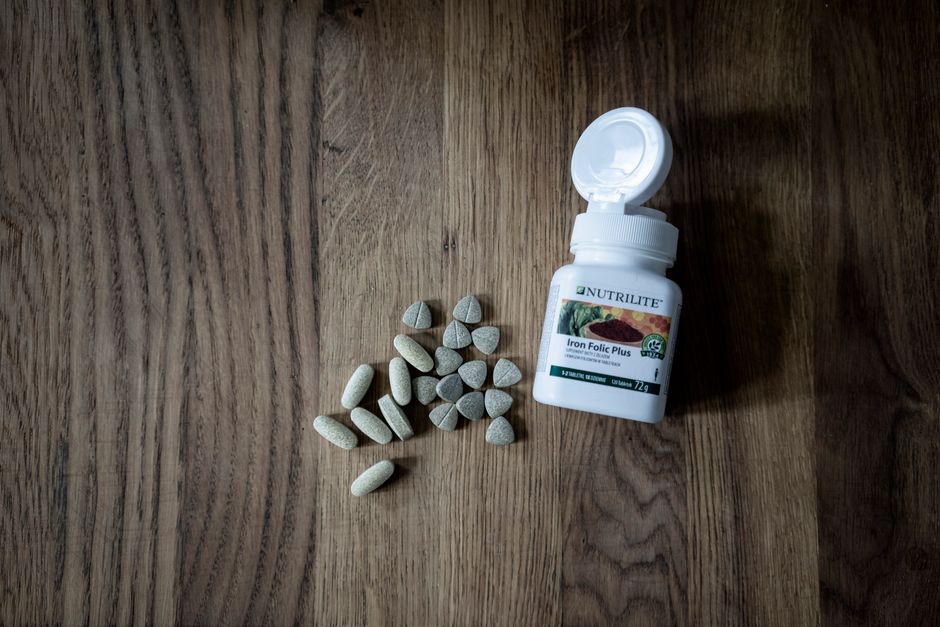
Feeling tired all the time is the most common sign of iron deficiency, but fatigue alone rarely tells you much. Iron deficiency develops in stages, and the symptoms change as your iron stores drop. The clearest way to know is a blood test, usually a ferritin level, combined with a complete blood count. Symptoms can point you toward testing, but they cannot confirm the diagnosis on their own.
What Does Iron Actually Do in Your Body?
Iron is a building block for hemoglobin, the protein in red blood cells that carries oxygen from your lungs to every tissue. Without enough iron, your body cannot make enough healthy red blood cells, and the ones it does make are smaller and carry less oxygen.
Iron also plays roles outside the bloodstream. It is part of myoglobin, which stores oxygen in muscle. It supports certain enzymes involved in energy production and DNA synthesis. This helps explain why iron deficiency can affect how you feel and function well before your red blood cells look abnormal on a standard count.
Your body has no active way to get rid of excess iron. It regulates iron mainly by controlling how much it absorbs from food. That matters for understanding why deficiency happens: you lose iron through bleeding, menstruation, or other routes, and your absorption has to keep up.
How To Tell If You Have Iron Deficiency?
You cannot reliably tell from symptoms alone. The only way to know is through blood testing. That said, certain symptoms and risk factors should prompt you to ask a doctor about testing.
Watch for a combination of these signs, especially if they are new or getting worse:
- Persistent fatigue or weakness that rest does not fix
- Pale skin, or paleness inside the lower eyelids
- Shortness of breath with activity that used to feel easy
- Fast heartbeat or pounding in the chest
- Cold hands and feet
- Headaches, dizziness, or lightheadedness
- Brittle nails or hair thinning
- Sore or swollen tongue
- Unusual cravings for ice, dirt, or paper (a condition called pica)
- Restless legs, especially at night
One symptom worth separating from the rest is pica, particularly craving and chewing ice. This is uncommon in the general population but is strongly linked to iron deficiency when it appears. It tends to improve when iron is corrected, which is one of the more distinctive clues clinicians look for.
None of these symptoms are specific to iron deficiency. Fatigue, shortness of breath, and palpitations can come from many other conditions. That is why symptoms guide testing, not diagnosis.
What Blood Tests Show Iron Deficiency?
Several tests work together. No single number tells the whole story, and results are interpreted in context.
| Test | What It Measures | General Interpretation |
|---|---|---|
| Ferritin | Stored iron | Low ferritin is the earliest and most specific sign of depleted iron stores |
| Hemoglobin | Oxygen-carrying protein in red blood cells | Low hemoglobin means anemia, which is a later stage of deficiency |
| Hematocrit | Proportion of blood made of red cells | Falls with anemia |
| MCV (mean corpuscular volume) | Average red blood cell size | Low MCV suggests smaller cells, common in iron deficiency |
| Transferrin saturation | How much iron is bound to its transport protein | Low saturation supports iron deficiency |
Ferritin is usually the first test to move. It drops before hemoglobin does, which is why iron deficiency can exist without anemia. This is sometimes called iron deficiency without anemia, and it can cause symptoms even when your red blood cell counts look normal.
Ferritin has a limitation. It is an inflammatory protein, so it can rise with infection, inflammation, or liver disease. In those situations, a normal ferritin does not rule out deficiency. Doctors sometimes order additional tests or use a combination of markers when inflammation is a concern.





Who Is Most at Risk?
Certain groups lose more iron or absorb less, which raises the odds of deficiency.
- People who menstruate, especially with heavy periods
- Pregnant people, whose iron needs rise substantially
- Infants and young children during rapid growth
- People with gastrointestinal conditions that reduce absorption, such as celiac disease or inflammatory bowel disease
- People who have had gastric bypass surgery
- Frequent blood donors
- People taking long-term medications that cause stomach bleeding, such as some pain relievers
- Vegetarians and vegans, who absorb less iron from plant sources
- Adults over 50, in whom gastrointestinal bleeding becomes a more important cause
Heavy menstrual bleeding is one of the most common causes in menstruating adults, and it is often underrecognized. What counts as heavy can be hard to judge. Soaking through protection every hour for several hours, passing large clots, or needing to change protection at night are patterns worth mentioning to a doctor.
Why Iron Deficiency Should Not Be Ignored
Iron deficiency is common and treatable, but it is also sometimes a signal of something else. In adults, particularly men and postmenopausal women, iron deficiency can be the first sign of bleeding in the gastrointestinal tract. Finding and treating the source matters as much as replacing the iron.
The effects of deficiency go beyond feeling tired. Iron deficiency anemia is associated with reduced physical performance, impaired concentration, and in pregnancy, increased risk of complications for both parent and baby. In children, prolonged deficiency during development has been linked to learning and behavior effects.
This does not mean every case is serious. Many cases are straightforward and resolve with treatment. But unexplained deficiency deserves a look at the underlying cause rather than iron alone.
What Happens After Diagnosis?
Treatment depends on the cause and severity. The two main approaches are oral iron supplements and, in some cases, intravenous iron. Which is appropriate is a clinical decision based on your test results, symptoms, tolerance of oral iron, and the underlying cause.
Oral iron is widely used and effective for many people, but it is not always well tolerated. Constipation, nausea, and stomach upset are common. Absorption also varies, and some conditions reduce it. Intravenous iron is generally reserved for situations where oral iron is not working, not tolerated, or not fast enough, such as later pregnancy or significant anemia.
Timelines matter and are often misunderstood. Hemoglobin can start to rise within a few weeks of starting treatment, but rebuilding iron stores takes longer, often several months of continued supplementation after hemoglobin normalizes. Stopping too early is a common reason deficiency returns.
Do not start iron supplements on your own based on symptoms. Taking iron when you do not need it can be harmful, and it can mask the real cause of your symptoms. Testing first is the safer path.
Can You Prevent Iron Deficiency?
For some people, yes. For others, especially those with ongoing blood loss or absorption problems, prevention means treating the underlying cause.
Dietary iron comes in two forms. Heme iron, found in meat, poultry, and fish, is absorbed more efficiently. Non-heme iron, found in plants, beans, and fortified foods, is absorbed less efficiently but still contributes. Vitamin C eaten with plant iron improves absorption. Certain compounds, including tannins in tea and coffee and phytates in grains, reduce it.
Eating a varied diet that includes iron-rich foods supports iron status, but diet alone may not be enough for people with higher needs or ongoing losses. In those cases, testing and clinical guidance matter more than dietary tweaks.
For people at known risk, such as those with heavy periods or during pregnancy, doctors sometimes recommend screening or supplementation. The specifics depend on individual circumstances and should come from a clinician.
When to See a Doctor
See a doctor if you have persistent fatigue, shortness of breath, palpitations, or any combination of the symptoms above that is not explained by something obvious. Also see a doctor if you notice pica, especially ice cravings, or if you have risk factors and new symptoms.
Seek prompt care for chest pain, fainting, or severe shortness of breath. These can indicate significant anemia and need urgent evaluation.
The bottom line is simple. Symptoms can raise suspicion, but a blood test confirms the diagnosis. If you suspect iron deficiency, ask for testing rather than guessing.
Frequently Asked Questions
Can I have iron deficiency without anemia?
Yes. Iron stores can be depleted while hemoglobin remains normal, a state called iron deficiency without anemia. It can still cause fatigue and other symptoms, and ferritin is usually the test that reveals it.
What is the first sign of iron deficiency?
Fatigue is the most common early sign, but it is not specific and has many causes. Low ferritin on a blood test often appears before any symptoms or anemia develop.
Does craving ice mean I have iron deficiency?
Craving and chewing ice is strongly linked to iron deficiency when it occurs, though it is uncommon overall. It tends to improve once iron is corrected, making it a useful clue for testing.
Can iron deficiency be fixed with food alone?
Diet can help, but food alone is often not enough once deficiency is established, especially with ongoing blood loss. Treatment usually requires supplements or other clinical intervention alongside dietary changes.
