
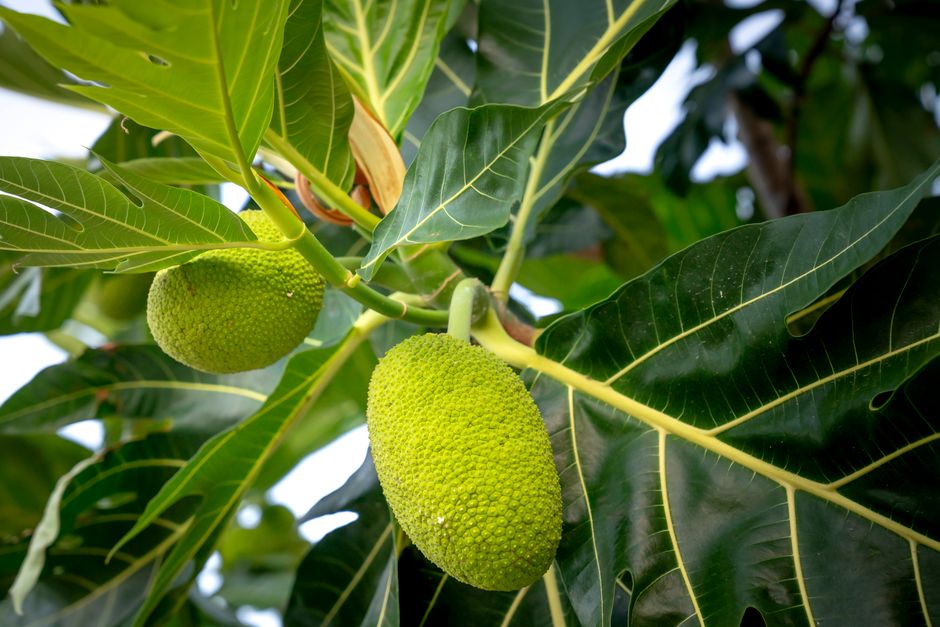
Growing a jackfruit from seed is a slow but rewarding project that can take three to seven years before you see your first fruit. The seeds germinate quickly, often within three to eight weeks, but the tree needs tropical or near-tropical conditions to thrive and produce. Success depends on fresh seeds, warm temperatures, consistent moisture, and a lot of patience.
Can You Grow Jackfruit From a Seed From a Store-Bought Fruit?
Yes, but the seed must be fresh. Jackfruit seeds lose viability quickly once they dry out. A seed taken from a fully ripe fruit that has been sitting in your kitchen for a few days has a much better chance than one that has been sitting on a counter for a week.
Wash the seed to remove the sugary pulp. Do not let it dry out. Plant it within a few days for the best germination rate. Some growers report success with seeds stored in damp peat moss in the refrigerator for a short time, but fresh is always best.
One important note: a tree grown from seed will not be an exact clone of the parent fruit. Commercial jackfruit varieties are often grafted to guarantee specific traits like sweetness or flesh color. A seedling tree may produce fruit that differs from the fruit you ate. That is part of the fun, but it is also a reason many serious growers choose grafted trees instead.
How To Grow Jackfruit From Seed: Step-by-Step
Start with a healthy seed from a ripe fruit. The seed should be plump and brown. Discard any that are flat, shriveled, or damaged.
Here is the basic process:
- Soak the seed in water for 24 hours. This softens the outer coat and speeds up germination.
- Plant the seed about 1 inch deep in a well-draining potting mix. A mix with some sand or perlite works well.
- Use a pot that is at least 6 inches deep. Jackfruit seedlings develop a long taproot quickly.
- Water thoroughly but do not leave the soil soggy. Jackfruit seeds rot easily in waterlogged soil.
- Keep the pot in a warm spot. Temperatures between 75°F and 85°F are ideal.
- Expect germination in three to eight weeks. Some seeds sprout faster, some take longer.
Once the seedling has two or three sets of true leaves, it can be moved to a larger pot. Jackfruit trees grow quickly when they are happy. A seedling can reach several feet in its first year under good conditions.
What Climate Does a Jackfruit Tree Need?
Jackfruit is a tropical tree. It grows naturally in regions with warm, humid conditions year-round. It does not tolerate frost. Even a light frost can damage or kill a young tree.
The tree grows best in USDA hardiness zones 10 and 11. In the United States, that includes parts of southern Florida, Hawaii, and Puerto Rico. Growers in zone 9 can sometimes succeed with careful protection during cold snaps, but it is risky.
If you do not live in a tropical or subtropical climate, you can still grow jackfruit in a large container. The tree will need to move indoors during cold months. A mature jackfruit tree can reach 30 to 70 feet tall in the ground, but container-grown trees stay smaller. You will likely never get fruit from an indoor tree, but it can be a striking houseplant for a sunroom or greenhouse.
Jackfruit trees also need high humidity. Dry air can cause leaf drop and slow growth. If you are growing one indoors, a humidifier or regular misting may help.





How Much Sun and Water Does a Jackfruit Tree Need?
Jackfruit trees want full sun. Give them at least six to eight hours of direct sunlight each day. In very hot, dry climates, some afternoon shade can prevent leaf scorch, but most trees do best with maximum light.
Water is critical, especially for young trees. The soil should stay consistently moist but never waterlogged. During hot weather, a young tree may need water every day or two. Mature trees are more drought-tolerant but still produce better fruit with regular watering.
Mulch around the base of the tree helps retain soil moisture and keeps roots cool. Keep the mulch a few inches away from the trunk to prevent rot.
How Long Until a Jackfruit Tree Bears Fruit?
This is the question everyone wants answered. A jackfruit tree grown from seed typically takes three to seven years to produce its first fruit. Some trees take longer. A few never fruit well.
Grafted trees are faster. A grafted jackfruit tree can produce fruit in two to three years. That is a significant difference, and it is why commercial growers almost always use grafted trees.
If you are growing from seed, do not expect quick results. The tree will spend its first few years putting energy into root and trunk growth. That is normal and healthy. A strong, well-established tree will produce better fruit than one that fruits too early.
Once a tree starts fruiting, it can produce two crops per year in ideal conditions. Some trees produce fruit almost continuously in tropical climates.
How To Care for a Growing Jackfruit Tree
Jackfruit trees are not heavy feeders, but they respond well to regular fertilization. A balanced fertilizer with nitrogen, phosphorus, and potassium is a good choice. Apply it every two to three months during the growing season.
Pruning is minimal. Remove dead or diseased branches as needed. Keep the center of the tree open to allow light and air to reach the fruit. Jackfruit can grow on the trunk and main branches, not just at the tips, so do not prune too aggressively.
Watch for pests. Fruit flies, scale insects, and mealybugs can all affect jackfruit trees. Check the leaves and fruit regularly. Healthy trees resist pests better than stressed ones.
When and How To Harvest Jackfruit
Jackfruit is ready to harvest when it is fully mature, but the timing depends on how you plan to use it. A ripe jackfruit has a strong, sweet smell. The skin turns from green to a yellowish-brown. The fruit gives slightly when pressed.
If you want to eat the fruit fresh, wait until it is fully ripe. If you plan to cook with it as a meat substitute, harvest it earlier when the flesh is still firm and less sweet. Young green jackfruit has a neutral flavor and a texture similar to pulled pork when cooked.
Harvesting is simple. Cut the fruit from the tree with a sharp knife or pruning shears. Wear gloves. The fruit exudes a sticky latex sap that is very difficult to wash off. The sap can stain clothing and tools.
A single jackfruit can weigh anywhere from 10 to 50 pounds or more. Some varieties produce fruit weighing over 100 pounds. Use two hands and be careful. Dropping a large jackfruit can cause serious injury.
Common Problems and How To Avoid Them
Root rot is the most common killer of young jackfruit trees. It happens when the soil stays too wet. Always use well-draining soil and do not overwater. If the leaves start to yellow and drop, check the soil moisture first.
Cold damage is another major issue. Even a brief frost can kill a young tree. If you live in a marginal climate, plant the tree in a sheltered spot near a south-facing wall. Cover it with frost cloth during cold nights.
Jackfruit trees can also suffer from nutrient deficiencies. Yellowing leaves often indicate a lack of nitrogen. Small, misshapen fruit may indicate a lack of potassium. A balanced fertilizer usually prevents these problems.
Is Growing Jackfruit From Seed Worth It?
That depends on your goals. If you want a reliable supply of good fruit, a grafted tree is the better choice. It fruits sooner and the fruit quality is more predictable.
If you enjoy the process and want to see what your tree produces, growing from seed is a satisfying project. The fruit may be excellent, mediocre, or somewhere in between. You will not know until the tree matures.
Either way, a jackfruit tree is a striking plant. The large, glossy leaves and massive fruit make it a conversation piece in any tropical garden. Just be prepared for the long wait.
Frequently Asked Questions
How long does it take to grow jackfruit from seed?
Seeds germinate in three to eight weeks, but the tree takes three to seven years to produce fruit. Grafted trees fruit in two to three years.
Can jackfruit trees grow in the United States?
Yes, but only in frost-free areas like southern Florida, Hawaii, and Puerto Rico. In colder zones, they can be grown in containers and moved indoors for winter.
Do jackfruit seeds need to be dried before planting?
No. Jackfruit seeds lose viability when they dry out. Plant them fresh, within a few days of removing them from the fruit, for the best germination rate.
What does a ripe jackfruit look like?
A ripe jackfruit has a yellowish-brown skin, a strong sweet smell, and gives slightly when pressed. Green fruit is immature and is used for cooking as a meat substitute.
