
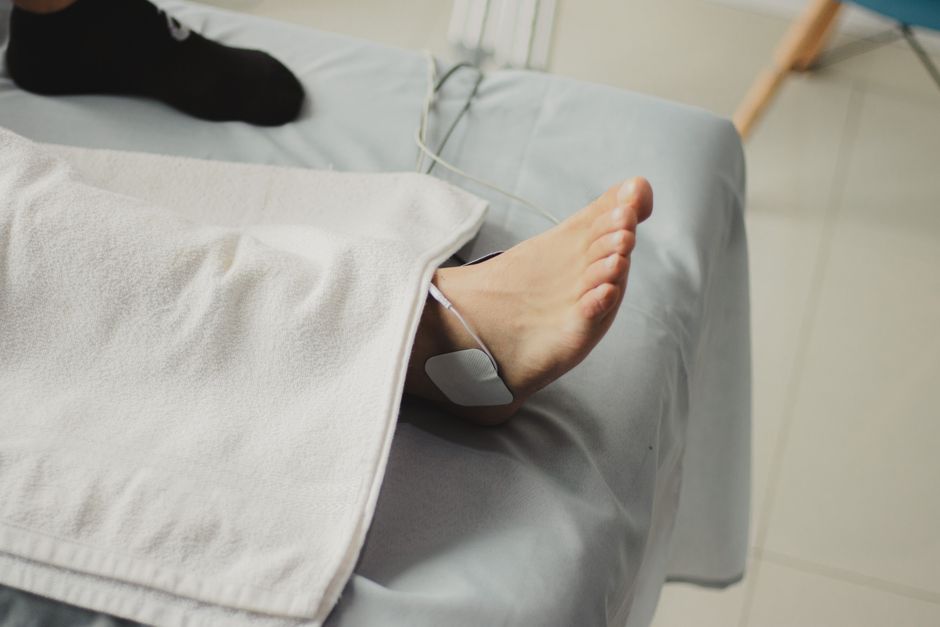
A seed corn on your foot is a small, circular callus with a hard, dry center that forms on the sole or heel. It gets its name because it looks like a kernel of corn pressed into the skin. It is not an infection, not a wart, and not a foreign object — it is your own skin thickening to protect itself from repeated pressure.
Treatment usually starts with removing the cause of the pressure. That means better-fitting shoes, cushioning, and sometimes a soft pad to spread the load. Salicylic acid products can help soften the hard skin, but they are not right for everyone, especially people with diabetes or poor circulation.
What Is A Seed Corn On Your Foot And How Do You Treat It?
A seed corn is a type of callus. Calluses form when skin is rubbed or pressed over and over. The body responds by building up keratin, the tough protein that makes up the outer layer of skin. That buildup is protective in theory, but on a weight-bearing part of the foot it can become painful.
What makes a seed corn different from a regular callus is its shape. It has a hard, concentrated core in the middle, surrounded by a ring of thickened skin. The core can press down onto the tissue underneath, which is where the sharp, stinging pain comes from.
The medical term for this is heloma durum — a hard corn. A soft corn (heloma molle) forms between the toes where moisture keeps the skin soft. Both are caused by pressure and friction, not by a virus or bacteria.
Treatment has two parts. First, take away the pressure that caused it. Second, remove the thickened skin that has already built up. If you only do the second part, the corn comes back.
How Do You Tell A Seed Corn Apart From A Plantar Wart?
This is the single most common mix-up, and getting it wrong wastes months of treatment. A corn and a wart look similar at a glance, but they are completely different problems.
A corn has a smooth surface. The skin lines run through it in a normal pattern. It hurts most when you press directly down on it. It typically sits on a bony area that takes weight, like the ball of the foot or the side of a toe.
A plantar wart is caused by human papillomavirus. It tends to interrupt the normal skin lines, which curve around it rather than passing through. It often hurts more when you squeeze it side to side. Small black dots may be visible inside it — these are tiny blood vessels, not seeds. A wart can appear anywhere on the sole, not just on pressure points.
One practical test: a wart bleeds easily if you pick at it, and a corn does not. If you are unsure, a clinician can tell the difference quickly, and this matters because the treatments are entirely different. Salicylic acid works on both, but the strength and approach differ, and warts often need freezing or other measures.
What Causes A Seed Corn To Form In The First Place?
Pressure and friction, repeated over time. That is the whole mechanism. Anything that concentrates force on one small spot of your foot can produce a corn.
The usual culprits:
- Shoes that are too tight across the toes or too narrow in the toe box
- High heels, which shift weight onto the ball of the foot
- Shoes with seams or stitching that rub against a specific spot
- Walking barefoot on hard surfaces for long periods
- Foot shape — bunions, hammertoes, or a prominent bone that presses against the shoe
- An uneven gait that loads one part of the foot more than the rest
Foot structure matters more than most people realize. If a metatarsal head sits lower than its neighbors, it takes more weight with every step. Over thousands of steps, that adds up to a corn. This is why some people get corns repeatedly in the same spot no matter what shoes they wear.
Age plays a role too. The fat pad on the sole of the foot thins with age, so there is less natural cushioning between bone and skin. That is one reason corns become more common in middle age and later.



How Do You Treat A Seed Corn At Home?
Start by changing what your foot presses against. This is not the boring part of treatment — it is the part that actually works. A corn that keeps getting the same pressure will keep coming back, no matter how much you file it down.
Practical steps:
- Switch to shoes with a wide toe box and enough depth so nothing presses on the corn
- Use over-the-counter felt or foam pads shaped like a ring (donut pads) to lift pressure off the spot
- Soak the foot in warm water for a few minutes to soften the skin
- Gently file the top layer with a pumice stone or emery board — a little at a time, never down to raw skin
- Apply a moisturizer with urea or salicylic acid to help soften the thickened skin over time
Do not cut or shave the corn with a blade. This is a common mistake and a common cause of infection. It is also easy to go too deep because the corn sits over sensitive tissue.
Over-the-counter salicylic acid patches and liquids can help dissolve the hard keratin. They work slowly, over days to weeks, and they work best when combined with pressure relief. If you have diabetes, peripheral artery disease, or neuropathy, do not use these products without checking with a clinician first. Reduced sensation and reduced blood flow make even minor skin damage risky.
When Should You See A Podiatrist Or Doctor?
See a clinician if the corn is painful enough to change how you walk, if it keeps returning despite shoe changes, or if you have diabetes, poor circulation, or numbness in your feet. Those conditions turn a minor foot problem into a potentially serious one.
Also seek care if you notice signs of infection — spreading redness, warmth, swelling, pus, or a foul odor. A corn itself does not become infected, but broken skin from picking or cutting can.
A podiatrist can trim the corn with a sterile blade, which is faster and safer than home filing. They can also assess your foot mechanics and recommend orthotics if a structural issue is driving the pressure. Custom or off-the-shelf orthotics can redistribute weight and reduce recurrence in people with an abnormal gait or foot shape.
For corns caused by a bone prominence or a toe deformity, surgery is sometimes considered. This is not a first-line treatment and is generally reserved for cases that do not respond to conservative care.
Can A Seed Corn Go Away On Its Own?
Only if the pressure that created it goes away. If you stop wearing the shoes that caused it and the spot is no longer rubbed, the thickened skin can gradually soften and shed over weeks. The skin on your sole replaces itself continuously, so a corn with no ongoing irritation will slowly disappear.
In practice, this rarely happens by itself. Most people keep wearing the same shoes and keep walking the same way. That is why corns tend to persist for months or years and why recurrence after treatment is common.
The honest summary: a seed corn is a mechanical problem, and it needs a mechanical solution. Softening the skin helps, but it does not fix the cause.
How Do You Prevent A Seed Corn From Coming Back?
Fix the fit. That is the core of prevention, and it matters more than any cream or patch.
Get your feet measured properly, and shop for shoes later in the day when your feet are at their largest. Look for a toe box wide enough that your toes can spread flat. Avoid seams that sit directly over a bony spot.
If a particular spot keeps developing a corn, a ring pad or a metatarsal pad inside the shoe can spread the load. For people with a structural foot issue, orthotics may be the more durable answer.
Keep the skin on your soles moisturized. Dry, cracked skin thickens faster under pressure. And check your feet regularly — catching a corn early makes it much easier to manage.
Frequently Asked Questions
Is a seed corn on the foot a wart?
No. A seed corn is a callus caused by pressure, while a wart is caused by a virus. A corn has normal skin lines running through it, and a wart interrupts those lines and may show tiny black dots.
Can I cut a seed corn off my foot?
No. Cutting or shaving a corn with a blade can go too deep and cause bleeding or infection. Gentle filing after soaking is safer, and a podiatrist can trim it with sterile tools.
Do corn plasters really work?
Salicylic acid plasters can soften the hard skin over days to weeks, but they do not fix the pressure that caused the corn. They should not be used by people with diabetes or poor circulation without medical advice.
How long does it take for a seed corn to go away?
With consistent pressure relief and skin care, a corn often improves over several weeks. If the pressure continues, it can persist for months or keep returning.
