
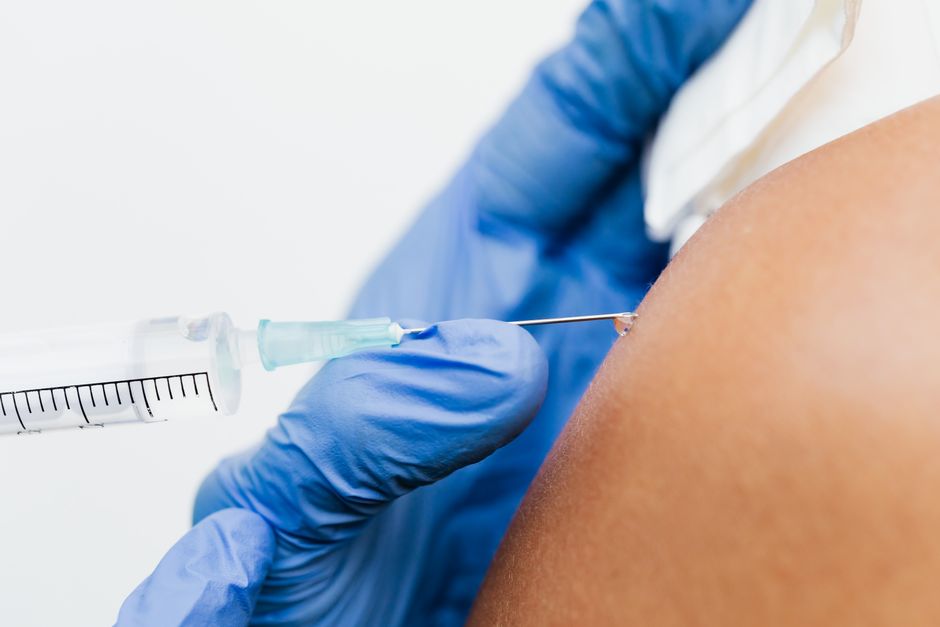
Giving an intramuscular (IM) injection into the gluteal muscle is a skill that many people learn to do at home for prescribed medications. The injection must go into the upper outer quadrant of the buttock to avoid the sciatic nerve and major blood vessels. Clean your hands, prepare the medication, locate the correct spot, and insert the needle at a 90-degree angle.
Why Is the Upper Outer Quadrant the Only Safe Spot?
The gluteal region contains the sciatic nerve, which is a thick nerve that runs down the back of the leg. Hitting this nerve causes severe pain and can lead to temporary or permanent nerve damage. The gluteal artery and vein also run through this area.
To avoid these structures, medical professionals divide the buttock into four imaginary quadrants. Draw an imaginary line horizontally across the middle of the buttock and another line vertically down the middle. The safe injection site is the upper outer quadrant, closest to the hip.
You must inject into the center of this quadrant, about 2 to 3 inches below the iliac crest (the top of the hip bone). Never inject into the inner upper quadrant near the spine or the lower quadrants where the sciatic nerve is more exposed.
What Supplies Do You Need?
Gather everything before you start so you do not have to touch surfaces mid-procedure. You need the prescribed medication vial or prefilled syringe, an alcohol wipe, a sterile needle and syringe if not prefilled, a sharps container, and a bandage.
Most prefilled syringes come with the needle attached. If you are drawing medication from a vial, you may need one needle to draw the medication and a separate needle to inject. Changing needles after drawing up medication reduces pain because the needle stays sharper.
Check the medication label three times: when you take it out, when you prepare it, and before you inject. Confirm the medication name, dose, and expiration date.
How Do You Prepare the Injection?
Wash your hands thoroughly with soap and warm water for at least 20 seconds. Dry them with a clean towel. Put on medical gloves if you have them, though clean bare hands are acceptable.
Clean the top of the medication vial with a fresh alcohol wipe if you are drawing from a vial. Let the alcohol dry completely. Alcohol can enter the vial and contaminate the medication if it is still wet.
Draw the correct dose of medication into the syringe. Remove any air bubbles by tapping the syringe gently and pushing the plunger slightly until a tiny drop of medication appears at the needle tip. This ensures you are injecting the full dose.




How Do You Position the Person?
The person receiving the injection should lie on their stomach or side. Lying on the stomach with toes pointed inward relaxes the gluteal muscles, which makes the injection less painful. Lying on the side with the upper leg bent at the knee also works well.
Standing is not recommended. A standing person may tense the gluteal muscles, and the injection site can shift if they move. A relaxed, flat surface is safest.
Expose the entire buttock so you can see the full quadrant. You cannot estimate the upper outer quadrant correctly if clothing covers part of the area.
How Do You Give the Injection Step by Step?
Follow these steps in order. Do not rush. Each step matters for safety and comfort.
- Clean the injection site with a fresh alcohol wipe. Use a circular motion starting at the center and moving outward. Let the skin dry completely.
- Remove the needle cap. Hold the syringe like a dart in your dominant hand.
- Use your other hand to gently stretch the skin flat at the injection site. This is called the Z-track technique when you pull the skin to the side, but simple stretching is fine for most injections.
- Insert the needle quickly at a 90-degree angle straight into the muscle. A quick, steady motion is less painful than a slow push.
- Pull back slightly on the plunger to check for blood. If blood appears, you have hit a blood vessel. Withdraw the needle, discard everything, and start over with fresh supplies.
- If no blood appears, push the plunger down slowly and steadily to inject the medication.
- Withdraw the needle at the same 90-degree angle. Apply gentle pressure with a dry cotton ball or gauze. Do not massage the site.
Massaging the injection site can bruise the tissue and may push the medication into surrounding areas. Light pressure with gauze is enough to stop any minor bleeding.
What Mistakes Should You Avoid?
The most dangerous mistake is injecting into the wrong quadrant. Injecting into the inner upper quadrant risks hitting the superior gluteal artery. Injecting into the lower quadrants risks hitting the sciatic nerve.
Another common mistake is reusing needles or syringes. Never reuse any injection equipment. Dispose of the needle and syringe immediately in a puncture-proof sharps container.
Do not inject into the same exact spot repeatedly. Rotate injection sites between the left and right buttocks if the medication is given regularly. Repeated injection into the same spot causes tissue damage and can form hard lumps that interfere with medication absorption.
Never give an injection through clothing or into skin that is bruised, tender, hard, or irritated. Choose a different site or consult a healthcare provider.
When Should You Call a Doctor?
Some redness and mild soreness at the injection site is normal and usually resolves within a day or two. Contact a healthcare provider if the pain worsens after 48 hours, if redness spreads, or if the area becomes hot and swollen. These can be signs of infection.
Seek emergency medical care immediately if the person experiences difficulty breathing, swelling of the face or lips, a rapid heartbeat, or dizziness after the injection. These can be signs of a severe allergic reaction called anaphylaxis.
Numbness, tingling, or weakness in the leg after an injection can indicate nerve involvement. This requires prompt medical evaluation even if the symptoms seem mild.
How Do You Dispose of Used Needles Safely?
Place used needles and syringes directly into an FDA-approved sharps container. These are puncture-resistant containers with a tight lid. Do not recap the needle before disposal. Recapping is how most accidental needle sticks happen.
If you do not have an FDA-approved container, a heavy-duty plastic laundry detergent bottle with a screw cap is an acceptable temporary alternative. Label the container clearly and keep it out of reach of children and pets.
When the container is three-quarters full, seal the lid and check with your local pharmacy, health department, or waste management service for disposal options. Many pharmacies accept used sharps containers. Never put loose needles in the trash or recycling bin.
Frequently Asked Questions
How deep should the needle go for a gluteal injection?
The needle should go deep enough to reach the muscle, which is typically 1.5 to 2 inches depending on the person’s body size. Use a 1.5-inch needle for most adults and a 2-inch needle for larger individuals.
Can I give myself a gluteal injection?
Yes, but it is difficult because reaching the upper outer quadrant of your own buttock requires flexibility and coordination. Many people use the side-lying position and a mirror to help locate the correct spot.
What happens if I hit the sciatic nerve?
Hitting the sciatic nerve causes immediate sharp, shooting pain down the leg. Stop the injection immediately if this occurs and seek medical evaluation, as nerve damage can be temporary or permanent.
Is it safe to give a gluteal injection to a child?
The gluteal muscle is generally not recommended for children under 2 years old because the muscle is not fully developed. For older children, use a shorter needle and consult a healthcare provider for specific guidance.
