
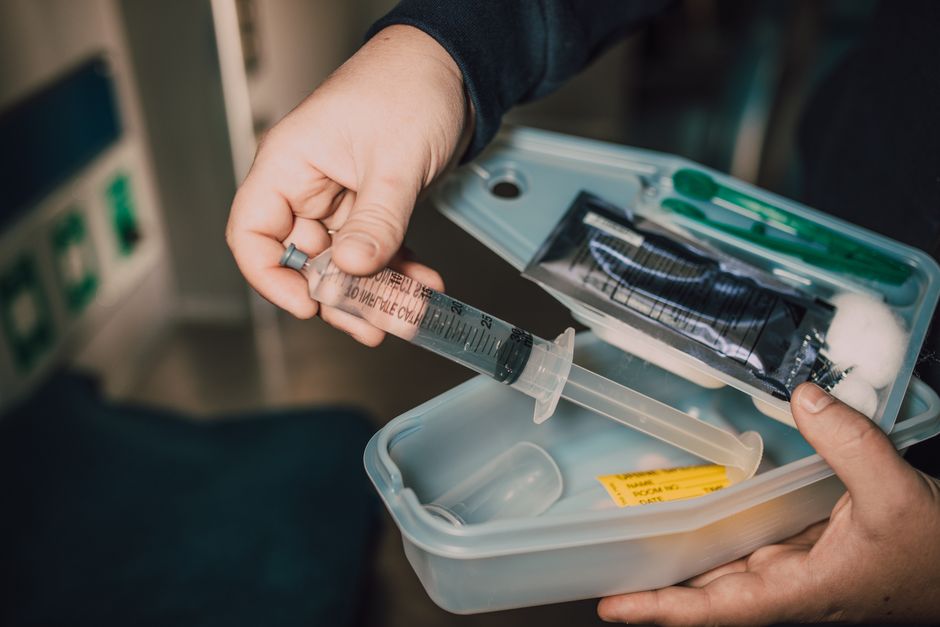
Used injection pens, including insulin pens and epinephrine auto-injectors, contain a needle that can cause injury and spread infection. You must dispose of them in an FDA-cleared sharps container or another sturdy, puncture-resistant container. Never throw them in the household trash, recycling, or flush them. Check your local regulations for approved disposal sites—many communities offer drop-off boxes, mail-back programs, or pharmacy take-back options. Safe disposal protects you, your family, and waste workers from accidental needle sticks.
Why can’t I throw injection pens in the regular trash?
Injection pens contain a sharp needle, even after use. If thrown loose into a trash bag, that needle can poke through the plastic and injure someone handling the waste—a family member, a sanitation worker, or a child. Used needles can also carry bloodborne viruses such as hepatitis B, hepatitis C, or HIV. Standard household trash is not designed to contain or neutralize these risks. The U.S. Food and Drug Administration (FDA) and the Centers for Disease Control and Prevention (CDC) both explicitly advise against placing any used sharps—including pen needles—into regular trash. Some states and cities have laws that make illegal disposal a fineable offense.
Even if the pen needle is retracted or covered by a cap, the hazard remains. Recapping a needle is itself risky—it can cause a stick. The safest approach is to put the whole used pen (or its detachable needle) directly into a proper container.
What type of container should I use for disposal?
The best option is an FDA-cleared sharps disposal container. These are rigid, puncture-resistant plastic containers with a tight-fitting lid. You can buy them at pharmacies, online, or through medical supply companies. Many insurance plans cover them for people using injectable medications. If you do not have access to an approved container, the FDA and CDC say a heavy-duty plastic household container can be used as a temporary alternative. A laundry detergent bottle or a bleach bottle (with a screw-on cap) works because the plastic is thick enough that a needle cannot poke through. Do not use milk jugs, soda bottles, or thin-walled containers—needles can penetrate those.
Label the container clearly: “Used Sharps – Do Not Recycle.” When the container is three-quarters full, seal the lid with heavy-duty tape and check local guidelines for how to dispose of it. Some communities allow you to place sealed sharps containers in the regular trash if you follow specific rules, but many require drop-off at a designated site.
How do I find out my state or local rules?
Rules for sharps disposal vary by state and even by city. Some states ban any sharps from household trash altogether. Others allow it only if you use a specific type of container and seal it a certain way. The safest move is to call your local health department or solid waste authority. You can also check websites like SafeNeedleDisposal.org (run by a coalition of health organizations) or the FDA’s sharps disposal page. Many pharmacies and hospitals have drop‑boxes for used sharps—ask at the counter. Some communities offer mail‑back programs: you buy a prepaid, approved container, fill it, and mail it to a disposal facility.
If you use injection pens for a chronic condition, your prescribing doctor or pharmacist may also know the local options. Do not assume that a federal guideline is the same as your local law. Federal agencies recommend, but local authorities enforce, so you need to follow the rules where you live.





What about auto‑injectors like EpiPen?
Auto‑injectors (such as EpiPen, Auvi‑Q, or generic epinephrine devices) are a little different because they contain a spring‑loaded needle that retracts after use, plus a dose of medication that might still be partly inside. The FDA recommends disposing of used auto‑injectors in a sharps container, the same as any other injection pen. However, because the device may still have active drug and a retracted needle, some manufacturers (like the maker of EpiPen) say you can return the used device to your pharmacy or a take‑back program. Call your local pharmacy first to ask if they accept them. Not all do.
Never throw an auto‑injector in the regular trash, even if the needle is hidden. The needle can still cause an injury if someone handles the device. And the leftover medication, if accidentally injected, could cause serious harm—for example, epinephrine raises heart rate and blood pressure dangerously. Treat it as medical waste.
How do I dispose of the pen device itself after removing the needle?
Many injection pens (especially insulin pens) have a detachable needle that screws off. The needle is the sharp part; the pen body is a reusable or disposable plastic cartridge with leftover medication. The safest practice is to remove the needle and place only the needle into a sharps container. But most guidelines say you can put the entire pen into the sharps container if it is easier—especially for people with dexterity problems. The pen body will take up more space, but it is still safe inside the container. Do not try to break or bend the pen.
If the needle is permanently attached (some prefilled pens do not allow needle removal), dispose of the whole pen as sharps. Never throw a pen with an attached needle into any trash. Always use a sharps container or an approved alternative.
What about recycling? Can any part be recycled?
No. Do not recycle any part of a used injection pen. The needles, plastic bodies, and residual medication are medical waste. Recycling facilities are not set up to handle sharps safely, and a needle can injure workers or contaminate the recycling stream. Put the entire pen (or its detached needle) in a sharps container destined for incineration or landfill disposal as medical waste. Some components—like the outer cardboard packaging—are recyclable, but the pen itself is not.
Frequently Asked Questions
Can I throw insulin pens in the trash if I cap the needle?
No. Even with the cap on, the needle can still poke through a trash bag and cause injury. Trash is not a safe disposal method for any used sharps.
Do I need a special prescription for a sharps container?
No. You can buy an FDA-cleared sharps container at any pharmacy without a prescription. Some insurance plans cover the cost if your doctor writes a prescription for one.
What should I do if I get stuck by a used pen needle?
Wash the area immediately with soap and water, then seek medical care as soon as possible. A doctor can evaluate your risk of infection and decide if you need post-exposure treatment.
Can I flush a used epinephrine auto‑injector down the toilet?
No. Never flush any used injection pen or needle. Flushing does not destroy the needle and can create hazards for plumbers and wastewater workers, plus contaminate waterways.
