
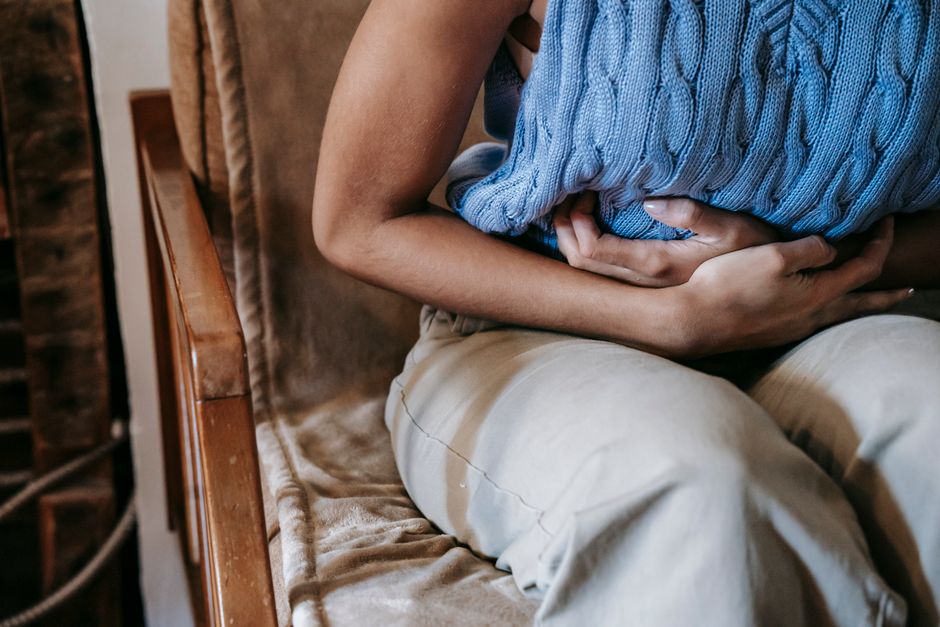
Stomach pain after drinking alcohol is common, and it usually comes from irritation of your stomach lining or excess acid production. The fastest way to stop the pain is to stop drinking, drink plain water to dilute the alcohol, and give your stomach time to settle. Over-the-counter antacids can help neutralize acid, but you should avoid pain relievers like ibuprofen or aspirin, which can irritate your stomach further. If the pain is severe, lasts more than a couple of days, or comes with vomiting blood, you need medical care right away.
Why Does Alcohol Make My Stomach Hurt?
Alcohol directly damages the protective lining of your stomach. This lining normally shields your stomach tissue from the acid it uses to digest food. When alcohol touches that lining, it causes inflammation. Doctors call this condition acute gastritis.
Alcohol also triggers your stomach to produce more acid than normal. More acid means more irritation, especially when your stomach is empty. The combination of a damaged lining and extra acid is what creates that burning, cramping, or gnawing feeling.
Drinking too much can also slow down how fast your stomach empties its contents into your intestines. Food and alcohol sit in your stomach longer, which prolongs the irritation and can cause nausea and bloating along with the pain.
What Is The Fastest Way To Settle An Upset Stomach After Drinking?
Stop drinking alcohol immediately. Every additional drink adds more irritation to an already inflamed stomach lining.
Drink plain water. Water dilutes the alcohol still in your stomach and helps your body flush it out. Sip slowly rather than gulping. Cold water can sometimes trigger stomach cramping, so room temperature water is often easier to tolerate.
Eat something bland if you can keep food down. Plain crackers, white bread, or rice can absorb excess acid and give your stomach something to work on other than its own lining. Avoid spicy, fried, or acidic foods until the pain subsides.
Rest in a comfortable position. Lying flat can allow stomach acid to creep up into your esophagus, which makes things worse. Prop yourself up with pillows so your head is elevated.
Which Over-The-Counter Medications Actually Help?
Antacids like Tums, Rolaids, or Maalox work quickly. They neutralize the acid already in your stomach and can bring relief within minutes. These are generally safe for occasional use when you follow the package instructions.
Acid reducers like Pepcid (famotidine) or Zantac (ranitidine) work differently. They block your stomach from producing new acid. They take longer to work than antacids — usually 30 to 60 minutes — but the effect lasts longer. These are useful if you need several hours of relief.
You should avoid nonsteroidal anti-inflammatory drugs (NSAIDs) like ibuprofen (Advil, Motrin), naproxen (Aleve), or aspirin. These medications irritate the stomach lining on their own. Combining them with alcohol significantly increases your risk of stomach bleeding. Acetaminophen (Tylenol) is gentler on the stomach, but it is processed by your liver, which is already working hard to break down alcohol. Do not exceed the recommended dose, and be cautious about taking it after heavy drinking.



How Do You Prevent Stomach Pain From Alcohol In The First Place?
The most reliable prevention is to drink less or not at all. If you choose to drink, having food in your stomach before you start makes a real difference. Food acts as a buffer and slows alcohol absorption. A meal with protein, fat, and carbohydrates is more protective than snacking on something light.
Pace yourself. Your liver can only process about one standard drink per hour. Drinking faster than that means alcohol builds up in your system, and your stomach lining takes more of the hit. Alternate each alcoholic drink with a glass of water. This keeps you hydrated and naturally slows your pace.
Choose drinks with lower alcohol content. A beer or wine is generally less irritating to the stomach than hard liquor. Clear spirits like vodka or gin tend to cause less stomach irritation than darker drinks like whiskey or brandy, which contain more congeners — chemical byproducts of fermentation that can increase stomach irritation.
Avoid carbonated mixers. The carbon dioxide in soda or sparkling water expands your stomach and can worsen pain and bloating. Mix spirits with still water or juice instead.
When Should Stomach Pain After Drinking Be A Concern?
Most alcohol-related stomach pain resolves within 24 hours once you stop drinking and let your stomach heal. But some symptoms point to more serious problems.
Seek medical attention immediately if you experience:
- Vomiting blood or material that looks like coffee grounds
- Black, tarry, or bloody stools
- Severe pain that does not improve with antacids or rest
- Pain that radiates to your back or shoulder
- Fever or chills
- Rapid heartbeat or difficulty breathing
- Signs of dehydration including dizziness, dark urine, or inability to keep fluids down
These symptoms can indicate a bleeding ulcer, pancreatitis, or alcoholic hepatitis. These conditions require prompt medical treatment and will not resolve on their own.
If your stomach hurts after drinking even small amounts of alcohol, or if the pain happens regularly after just one or two drinks, you should talk to a doctor. This could be a sign of gastritis that has become chronic, an ulcer, or another digestive condition that needs proper diagnosis and treatment.
Does The Type Of Alcohol Matter For Stomach Pain?
Yes, but individual tolerance varies. Higher alcohol content generally means more stomach irritation. Drinks with high alcohol percentages — like spirits — contact your stomach lining in a more concentrated form.
Carbonated alcoholic drinks like beer and champagne can cause more bloating and discomfort because the gas expands your stomach. Red wine and dark spirits contain tannins and congeners that some people find more irritating.
There is no universal rule about which alcohol is safest for your stomach. Pay attention to your own patterns. If a specific drink consistently gives you stomach pain, that drink is probably not right for you.
Can Drinking On An Empty Stomach Cause Worse Pain?
Yes. Alcohol is absorbed directly through your stomach lining into your bloodstream. When your stomach is empty, alcohol reaches your lining in higher concentrations and stays in contact with it longer. This increases both the irritation and how quickly you feel the effects.
Food in your stomach slows alcohol absorption and dilutes its concentration. A full stomach also speeds up how quickly alcohol moves into your small intestine, where most absorption happens. This reduces the direct contact time between alcohol and your stomach lining.
If you forgot to eat before drinking and your stomach is now hurting, eating something bland can help. Even a few crackers can absorb some acid and provide a protective layer over the irritated lining.
Frequently Asked Questions
How long does stomach pain last after drinking?
Mild alcohol-related stomach pain usually resolves within 24 hours once you stop drinking and stay hydrated. Pain lasting more than two days or getting worse needs medical evaluation.
Is milk good for an upset stomach after drinking?
Milk can temporarily coat the stomach lining and provide brief relief, but it also stimulates acid production, which can make pain worse later. Water and bland food are safer choices.
Can I take Tylenol for stomach pain after drinking?
Acetaminophen (Tylenol) does not irritate the stomach like ibuprofen or aspirin, but your liver processes both alcohol and acetaminophen, so combining them increases liver strain. Stick to antacids for stomach pain and avoid acetaminophen after heavy drinking.
Why does my stomach hurt after just one drink?
Some people have more sensitive stomach linings, and even small amounts of alcohol can trigger inflammation. It can also signal an underlying condition like gastritis, an ulcer, or acid reflux that a doctor should evaluate.
