
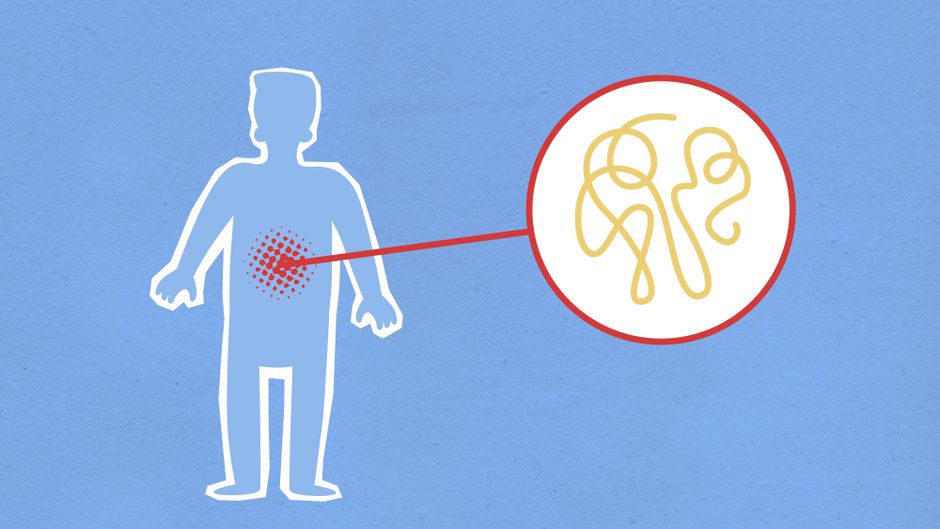
Stomach bugs spread mainly through tiny particles of vomit or stool that get into your mouth. This happens when you touch a contaminated surface, then touch your food or face. The most effective way to stop them is to wash your hands thoroughly with soap and water, especially after using the bathroom and before eating.
How Do Stomach Bugs Actually Spread From Person to Person?
The medical term for a stomach bug is viral gastroenteritis. Norovirus causes most cases in the United States. Rotavirus is another common cause, especially in children.
These viruses live in the gut. They leave the body in vomit and stool. To get infected, you have to swallow a very small amount of these particles. This is called the fecal-oral route. It sounds unpleasant, but it is the basic way these bugs move between people.
The CDC reports that norovirus spreads quickly in places like cruise ships, nursing homes, schools, and daycare centers. Close contact with someone who is sick is a major risk. Sharing food, utensils, or drinks with them is risky too. So is caring for them without washing your hands properly afterward.
One less obvious way stomach bugs spread is through aerosolized vomit particles. When someone vomits, tiny droplets can float in the air for a short time. If you are nearby, you could inhale them and swallow them. This is not the main way they spread, but research shows it can happen in small, enclosed spaces.
How Long Can Stomach Viruses Live on Surfaces?
This is where people often underestimate the risk. Norovirus can survive on hard, non-porous surfaces like countertops, door handles, and toilet flush buttons for up to two weeks. Some studies show it can last even longer at room temperature.
Soft surfaces like fabric, carpets, and upholstery are less hospitable. The virus still survives there for several days. This means a contaminated towel or couch cushion can remain a source of infection for longer than most people expect.
Many common disinfectants do not kill norovirus effectively. Alcohol-based hand sanitizers are not reliable against it. The CDC states that hand sanitizers should not be used as a substitute for handwashing when norovirus is a concern. Bleach solutions are far more effective.
Surface | How Long Norovirus Can Survive
Hard surfaces (countertops, handles) | Up to 2 weeks
Soft surfaces (fabric, carpet) | Several days
Food | Until properly washed or cooked
Water | Several weeks in cold water
What Is the Single Most Effective Way to Prevent Stomach Bugs?
Handwashing with soap and water is the clear winner. Research published by the CDC shows that washing hands with soap and running water for at least 20 seconds physically removes the virus from your skin. Alcohol-based sanitizers do not kill norovirus well, so they are not a reliable alternative.
You need to wash your hands at the right times. After using the bathroom, before eating, before preparing food, and after caring for someone who is sick are the most important moments. Many people wash their hands quickly or skip soap. That does not work. Friction and soap are what actually lift the virus off your skin.
Drying your hands is also important. Wet hands transfer viruses more easily to surfaces and food. Use a clean towel or paper towel. In public restrooms, paper towels are better than air dryers because they add friction and remove more germs.





Does Bleach Really Work Better Than Other Cleaners for Stomach Bugs?
Yes. Bleach is one of the few common household cleaners that reliably kills norovirus. The CDC recommends using a bleach solution of 1 cup of bleach per gallon of water for disinfecting surfaces after someone has been sick. This is stronger than typical cleaning solutions.
Many commercial disinfectant wipes and sprays do not kill norovirus. Check the label carefully. The product must specifically say it is effective against norovirus. Some will say “kills 99.9% of germs” but leave out the viruses that cause stomach bugs. That is not an accident. They are tested against bacteria, not against hardy viruses like norovirus.
Hydrogen peroxide-based cleaners can work, but they need a longer contact time. Vinegar and essential oils have no proven effectiveness against norovirus. Avoid relying on natural cleaning methods for this specific problem.
When cleaning after a stomach bug, wear gloves. Clean the area with soap and water first to remove visible dirt. Then apply the bleach solution and let it sit for at least five minutes before wiping it off. Do not mix bleach with ammonia or other cleaners. That creates toxic gas.
How Stomach Bugs Spread And How To Stop Them in Your Home
When someone in your home gets sick, the virus spreads fast. The sick person sheds billions of virus particles in each episode of vomiting or diarrhea. It only takes a few particles to infect another person. This is why entire households often get sick one after another.
Isolate the sick person as much as possible. Give them their own bathroom if you have one. If not, clean the shared bathroom after every use with a bleach solution. Keep their laundry separate. Wear gloves when handling soiled clothes. Wash laundry on the hottest setting the fabric can handle.
Food is another common vector. Norovirus is often spread through contaminated food handled by an infected person. Anyone with stomach symptoms should not prepare food for others until at least 48 hours after symptoms stop. The virus can still be shed for days after a person feels better.
Some people report that probiotics help prevent stomach bugs. Strong evidence for this is limited. Some studies suggest certain probiotic strains might reduce the risk of antibiotic-associated diarrhea, but not viral gastroenteritis. Do not rely on probiotics as a primary prevention strategy.
What Are the Common Misconceptions About Stopping Stomach Bugs?
The biggest myth is that hand sanitizer is good enough. It is not. Norovirus has a protective outer shell that alcohol does not break down easily. Soap and water physically wash the virus away. Hand sanitizer just moves it around or leaves it on your skin.
Another myth is that you can only catch stomach bugs from people who are obviously sick. The truth is that people can shed the virus before they have symptoms and for up to two weeks after they feel better. This is called asymptomatic shedding. It is one reason these viruses are so hard to contain.
Many people also think stomach bugs are caused by “something they ate” and blame the last meal they had. That is often wrong. Norovirus has an incubation period of 12 to 48 hours. That means you were most likely exposed one or two days before symptoms started, not at the last restaurant you visited.
There is no evidence that vitamin C, zinc, or elderberry supplements prevent or treat stomach bugs. These are popular for colds and flu, but stomach bugs are a completely different family of viruses. Do not waste money on them for this purpose.
As of 2026, there is no vaccine for norovirus. A vaccine is in clinical trials, but it is not available to the public yet. The rotavirus vaccine exists and is given to infants. That has dramatically reduced rotavirus cases in children, but it does nothing for norovirus.
Frequently Asked Questions
How long is a person contagious with a stomach bug?
People are contagious from the moment symptoms start until at least 48 hours after symptoms end. Some people shed the virus for up to two weeks after recovery.
Can stomach bugs spread through the air?
Yes, but only through large droplets from vomiting that land in your mouth or nose. It is not airborne like the flu or COVID-19 in the typical sense.
Does vinegar kill stomach bug viruses?
No. Vinegar has no proven effectiveness against norovirus. Bleach solutions or hydrogen peroxide-based cleaners are the only reliable household options.
Can you get a stomach bug from swimming pools?
Yes. Chlorine levels in pools do not kill norovirus quickly enough to prevent spread. Swallowing even a small amount of contaminated pool water can cause infection.
