
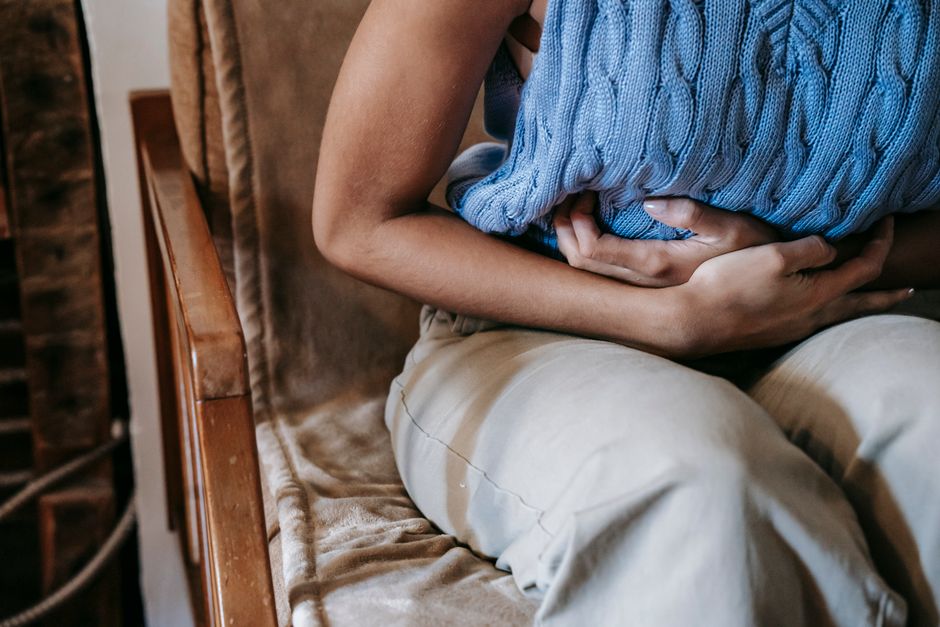
Stomach pain can stop you in your tracks. The fastest way to make it stop depends on the cause, but most cases respond to a few basic steps. Start with small sips of clear fluids like water or ginger tea. Rest in a comfortable position, often on your left side. Apply a warm compress or heating pad to your abdomen. Avoid eating solid food for a few hours. If the pain is mild and you feel nauseous, try the BRAT diet — bananas, rice, applesauce, and toast — once you are ready to eat. If the pain is sharp, severe, or lasts more than a few hours, see a doctor. This is not a condition to tough out when it is serious.
What Is Actually Causing Your Stomach Pain?
Stomach pain is a symptom, not a disease. It can come from your stomach, your intestines, your gallbladder, or even your appendix. The location of the pain often tells you where the problem is.
Pain in the upper middle area usually points to the stomach itself. This could be indigestion, gas, or a stomach ulcer. Pain on the upper right side under your ribs may be your gallbladder. Pain in the lower right area could be your appendix. Lower left pain is often related to the colon or diverticulitis.
Research shows that most stomach pain in otherwise healthy adults is from functional issues. This means the organs look normal but are not working perfectly. Gas, bloating, and cramping from eating too fast or eating trigger foods are very common. Current research suggests that about 1 in 4 adults experience functional dyspepsia — basically, an upset stomach without a clear medical cause — at some point in their lives.
If your pain is paired with fever, vomiting blood, bloody stool, or an inability to pass gas, those are red flags. Do not try home remedies. Go to the emergency room.
How Can You Make Your Stomach Stop Hurting With Home Remedies?
For mild stomach pain, home remedies are often enough. The key is knowing which remedy fits your specific symptoms.
Ginger is one of the most studied natural options. Research shows it helps reduce nausea and may speed up stomach emptying. You can drink ginger tea, chew crystallized ginger, or take ginger supplements. Stick to about 1 gram per day total. More than that can cause heartburn.
Peppermint works well for cramping and gas pain. It relaxes the muscles in your intestinal wall. Peppermint tea is gentle. Enteric-coated peppermint oil capsules are more effective for irritable bowel syndrome. Some people report that peppermint makes acid reflux worse, so skip it if you have heartburn.
Heat therapy is simple and effective. A warm compress or heating pad on your abdomen increases blood flow and relaxes muscles. A 2018 study found that heat therapy reduced abdominal pain intensity in people with functional dyspepsia just as well as some medications. Do not put heat directly on bare skin. Use a cloth barrier and limit sessions to 20 minutes at a time.
Hydration matters more than people realize. Dehydration can cause muscle cramping in your intestines. Sip water slowly. Do not gulp. Cold water can sometimes trigger cramping, so room temperature is better.
What Over-the-Counter Medications Actually Help?
When home remedies are not enough, OTC medications can help. But you need to match the medication to the symptom.
| Type of Pain | Likely Cause | OTC Option |
|---|---|---|
| Burning upper stomach | Indigestion, acid reflux | Antacids (Tums, Rolaids) or H2 blockers (Pepcid) |
| Cramping with diarrhea | Stomach bug, food sensitivity | Loperamide (Imodium) for diarrhea; simethicone (Gas-X) for gas |
| Bloating and gas pain | Swallowed air, fermentation in gut | Simethicone or activated charcoal |
| Constipation pain | Slow bowel movement | Polyethylene glycol (Miralax) or docusate (Colace) |
Antacids work fast but wear off quickly. They neutralize acid already in your stomach. H2 blockers like famotidine (Pepcid) reduce acid production and last longer. They are better for persistent burning pain.
Simethicone helps gas bubbles combine so you can pass them more easily. It does not stop gas from forming. It just makes existing gas less painful. Evidence indicates it works well for gas pain but does nothing for other types of stomach pain.
Ibuprofen (Advil) and acetaminophen (Tylenol) can help with general pain, but be careful. Ibuprofen can irritate your stomach lining and make things worse. Acetaminophen is gentler on the stomach but does not reduce inflammation. If your stomach is already hurting, acetaminophen is usually the safer choice.





What Foods and Drinks Make Stomach Pain Worse?
Certain foods and drinks are known triggers. Avoiding them can prevent pain before it starts.
Dairy is a common culprit. Many adults are lactose intolerant and do not realize it. Symptoms include bloating, cramping, and diarrhea after eating cheese, milk, or ice cream. As of 2026, estimates suggest about 65% of the global population has reduced lactase activity after infancy. If dairy bothers you, try lactose-free products or lactase enzyme pills.
Fried and fatty foods slow stomach emptying. This can cause bloating and discomfort for hours. They also trigger gallbladder attacks in people with gallstones. If you feel pain in your upper right abdomen after eating fried food, your gallbladder may be involved.
Carbonated drinks introduce gas into your digestive system. Soda, sparkling water, and beer all cause bloating. If you are already in pain, avoid anything with bubbles.
Spicy foods contain capsaicin, which irritates the stomach lining. Some people tolerate it well. Others get immediate burning pain. If you have gastritis or an ulcer, spicy food will make it worse.
Caffeine and alcohol both increase stomach acid production. They also relax the lower esophageal sphincter, allowing acid to flow back up. This causes heartburn and upper stomach pain. If your pain is in the upper middle area, skip coffee and alcohol until it resolves.
When Should You See a Doctor for Stomach Pain?
Most stomach pain resolves on its own within a few hours to a day. But some situations require medical attention. Do not wait if any of these apply.
Seek emergency care if you have:
- Sudden, sharp pain that does not go away
- Pain that radiates to your back, shoulder, or chest
- Vomiting blood or material that looks like coffee grounds
- Bloody or black, tarry stool
- Inability to pass gas or have a bowel movement
- Fever over 101°F
- Rapid heartbeat or difficulty breathing
These can signal appendicitis, a perforated ulcer, pancreatitis, an intestinal blockage, or a gallbladder infection. These conditions can become life-threatening within hours.
For non-emergency situations, see a doctor if your pain lasts more than a week, comes and goes for weeks, or is accompanied by unexplained weight loss. A gastroenterologist can run tests to find the root cause. Common tests include an upper endoscopy, abdominal ultrasound, or stool tests for infections.
Do not assume chronic stomach pain is normal. Many people live with conditions like irritable bowel syndrome, celiac disease, or gastritis for years without a diagnosis. Treatment often makes a significant difference.
Common Misconceptions About Stopping Stomach Pain
There is a lot of bad advice online about stomach pain. Some of it is harmless. Some of it can make things worse.
Misconception: Drinking milk coats your stomach and stops pain. Milk does temporarily buffer stomach acid, but it also stimulates more acid production later. For ulcer pain, milk can make symptoms worse over time. Water or antacids are better choices.
Misconception: Vomiting always makes stomach pain better. Vomiting can relieve nausea from food poisoning or a stomach bug. But it does not help pain from ulcers, gallstones, or appendicitis. Forcing yourself to vomit can tear your esophagus. Let it happen naturally if you feel the urge, but do not induce it.
Misconception: You should starve yourself until the pain goes away. Fasting for a few hours is reasonable. But going longer than 12 hours without food can cause stomach acid to irritate an empty stomach lining. Small, bland meals are better than no food at all.
Misconception: Apple cider vinegar cures stomach pain. This is widely claimed though strong evidence is limited. Apple cider vinegar is acidic. For heartburn caused by too little stomach acid, it might help some people. For most stomach pain, adding acid makes things worse. Do not drink it straight. It can damage tooth enamel and your esophagus.
Frequently Asked Questions
How long should I wait before seeing a doctor for stomach pain?
Wait no more than 24 hours if the pain is mild and improving. See a doctor immediately for severe pain or any red flag symptoms like fever or bloody stool.
Can stress cause stomach pain?
Yes, stress can trigger stomach pain through the gut-brain connection. Anxiety and stress increase stomach acid and alter gut motility, leading to cramping and discomfort.
Is it safe to take pain relievers for stomach pain?
Acetaminophen is generally safe but avoid ibuprofen and aspirin as they can irritate your stomach lining. If your pain is severe enough to need medication, consider seeing a doctor.
What is the best sleeping position for stomach pain?
Sleeping on your left side is best for stomach pain. This position keeps the stomach below the esophagus and helps prevent acid reflux. It also aids digestion and gas passage.
