
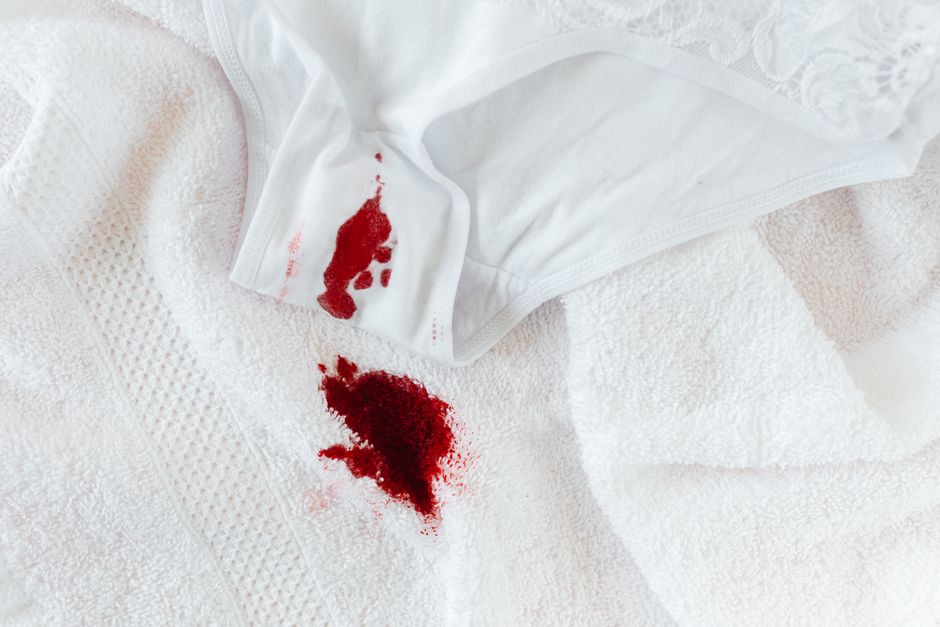
Period underwear holds blood, tissue, and moisture in layered fabric, and that combination is what creates odor. The fix is a two-part routine: rinse the underwear in cold water as soon as you take it off, then wash it thoroughly with a detergent that contains enzymes, and dry it completely. Skip hot water, skip fabric softener, and skip letting it sit wet in a hamper. Those three habits cause most of the smell people are trying to remove.
If the odor is already set in, you can usually still get it out. It takes a longer soak and a repeat wash, not a stronger chemical. What follows is what actually works, why it works, and which popular remedies do nothing or make the problem worse.
Why Does Period Underwear Smell Even After Washing?
Odor comes from bacteria breaking down proteins and other compounds in blood and vaginal fluid. That process produces volatile molecules, and those molecules are what your nose detects. Washing removes the source. If odor lingers after a wash, the source did not fully leave the fabric.
Three things cause that. The first is temperature. Hot water can set protein-based stains and odors into fabric rather than lifting them out, the same way hot water sets a blood stain on a shirt. The second is detergent choice. Period underwear is designed to hold liquid, which means it also holds residue. A detergent without enzymes may clean the surface but leave biological residue behind in the absorbent layers.
The third is drying. If any layer stays damp, bacteria resume growing within hours. Underwear that feels dry on the outside can still be damp in the gusset. This is the most common reason people wash carefully and still notice a smell.
There is also a less obvious factor. Period underwear has multiple layers, and the absorbent core is thicker than regular cotton. A short wash cycle may not push water and detergent all the way through it. The outer fabric gets clean while the middle stays contaminated.
How To Get The Smell Out Of Period Underwear: The Step-By-Step Method
Start with cold water, every time. Rinse the underwear under cold running water until the water runs mostly clear. This removes the bulk of the blood before it has a chance to bind to the fibers. If you cannot rinse right away, keep the underwear in a sealed bag or a dry bucket rather than a closed hamper with other laundry.
Next, treat the gusset directly. A small amount of enzyme-based detergent worked into the fabric with your fingers helps break down the proteins and fats that carry odor. Let it sit for a few minutes before washing.
Then wash. Use a normal cycle with cold or warm water, not hot, and use a detergent labeled as containing enzymes. Many standard laundry detergents include them. If your detergent does not list enzymes, it may still work, but it is less reliable for biological residue.
Do not use fabric softener or dryer sheets. Softener coats fibers with a waxy layer. On period underwear that coating can reduce absorbency and trap odor-causing residue inside the fabric where water cannot reach it.
Dry completely. Follow the manufacturer’s care tag, since some brands specify air drying and some allow low heat. Whatever the tag says, the goal is the same: no moisture left anywhere in the layers. If air drying, hang the underwear so air reaches both sides, and give it more time than you think it needs.
- Rinse in cold water as soon as possible after wearing
- Work enzyme detergent into the gusset before washing
- Wash on a normal cycle in cold or warm water
- Skip fabric softener and dryer sheets entirely
- Dry until every layer is fully dry, not just the surface
Does Vinegar or Baking Soda Actually Remove the Smell?
Vinegar helps with some odors and is widely used for laundry, but the evidence for it on period underwear specifically is limited. Vinegar is acidic, and acidity does slow some bacterial growth. A diluted white vinegar soak may help loosen residue and reduce surface odor. It is not a disinfectant at typical laundry concentrations, and it does not replace detergent.
Baking soda is a mild deodorizer. It can neutralize some odor molecules on fabric, which is why it is common in laundry products. It does not break down blood proteins or kill bacteria in the absorbent layers. Used alone, it tends to mask odor rather than remove the source.
Neither is harmful if used sensibly, and neither is a substitute for the core routine. If you try vinegar, use it as a pre-soak before washing, not instead of washing. If odor persists after a proper wash, the issue is usually incomplete cleaning or incomplete drying, not a missing home remedy.





What You Should Not Do to Period Underwear
Hot water is the most common mistake. It can set protein-based odor and stains into fabric, making them harder to remove on the next wash. It can also damage the absorbent layers and the waterproof backing over time, which shortens how long the underwear works.
Bleach is risky for a different reason. It can break down the technical fabrics used in period underwear, and it may leave residue that irritates sensitive skin. Most manufacturers advise against it. If you feel you need bleach to remove a smell, that usually means the underwear was not fully cleaned or dried in the first place.
Leaving wet underwear in a closed hamper is the other big one. A sealed, damp environment is close to ideal for bacterial growth. A breathable bag or an open bucket lets the underwear dry out enough that odor does not build up while it waits for wash day.
Finally, do not assume a strong scent means the underwear is ruined. Odor that returns quickly after washing usually points to a cleaning or drying problem, not permanent damage. It is worth changing your routine before replacing the product.
Is the Smell From the Underwear or From Your Body?
This distinction matters, because the fix is different. If clean, freshly washed underwear develops odor within an hour or two of wearing, the source may not be the fabric.
Vaginal odor has many causes. Normal vaginal discharge has a mild scent that varies across the menstrual cycle. A stronger or different odor can be caused by bacterial vaginosis, which is common and treatable, or by other infections. It can also be related to retained tampons, which is a medical concern that needs prompt care.
If the odor is strong, new, or accompanied by itching, burning, unusual discharge, or pelvic discomfort, that is a reason to see a clinician. This is not a laundry problem and no washing routine will fix it. If the odor is only in the underwear and disappears with proper washing, the fabric was the source.
How Do You Keep Period Underwear From Smelling in the First Place?
Prevention is mostly about not giving bacteria time and moisture to work. Change the underwear on a schedule that matches your flow rather than waiting until the end of the day. Heavier flow means more material for bacteria to break down, so more frequent changes help.
Rinse promptly. If you are away from home, a sealed bag keeps the underwear contained until you can rinse it. Do not let it sit damp for a day or more if you can avoid it.
Wash within a day or two rather than letting used underwear accumulate. Wash separately from heavy items like towels and jeans, which can trap the underwear in a load and reduce how well water moves through it.
Replace underwear when the absorbent layers stop working well. Period underwear does not last forever. Over many washes, absorbency can decline and odor can become harder to remove. If a pair smells after a correct wash and dry, and it has been in rotation for a long time, replacement is a reasonable option.
One clarification worth knowing: the goal is not a sterile garment. Fabric cannot be sterile, and it does not need to be. The goal is removing the biological residue that bacteria feed on and drying the fabric completely so nothing grows back. That is achievable with cold water, enzyme detergent, and thorough drying, without bleach or specialty products.
Frequently Asked Questions
Does hot water kill the smell in period underwear?
No. Hot water can set protein-based odor and stains into fabric, making them harder to remove. Use cold or warm water instead.
Can I use bleach on period underwear?
Most manufacturers advise against it because bleach can damage the absorbent and waterproof layers. It can also leave residue that irritates sensitive skin.
Why does my period underwear still smell after washing?
The most common causes are incomplete drying and detergent that does not break down biological residue. Check that every layer is fully dry and use an enzyme-based detergent.
How often should I change period underwear?
Change it based on your flow, and more often on heavier days. More frequent changes reduce the material bacteria can break down and lower odor buildup.
