
Period cramps can stop your day cold. The pain is real, and so is the discomfort that comes with it. Relaxing your body and easing the pain starts with understanding what is happening inside you and using methods that actually work. Heat, gentle movement, and smart lifestyle choices are your most reliable tools for finding relief.
Why Do Period Cramps Hurt So Much?
Cramps happen because your uterus is doing its job. During your period, the lining of the uterus breaks down and needs to be shed. To push that tissue out, the uterine muscle contracts. These contractions squeeze blood vessels, which briefly cuts off oxygen to the muscle tissue. That lack of oxygen is what creates the pain.
The body produces hormone-like chemicals called prostaglandins to trigger these contractions. Higher levels of prostaglandins are linked to more severe cramps. This is why the pain often peaks in the first day or two of your period, when prostaglandin levels are highest. For some people, this pain is mild. For others, it is severe enough to interfere with daily life.
Understanding this mechanism matters because it explains why certain remedies work. Heat relaxes the contracted muscle. Anti-inflammatory medications block prostaglandin production. Knowing the cause helps you choose the right approach instead of guessing.
What Is the Fastest Way to Relax on Your Period?
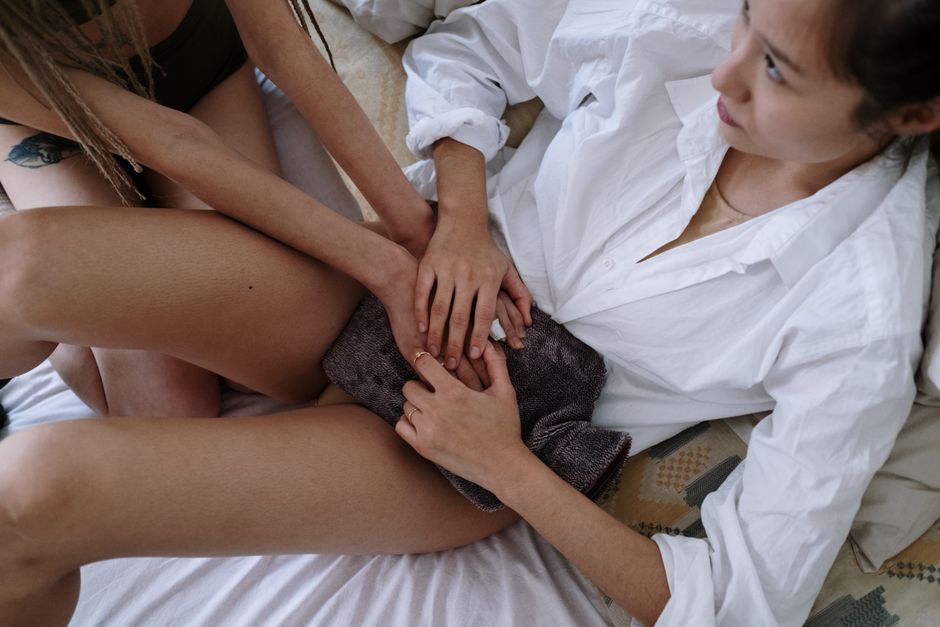
Heat is the quickest and most reliable physical method for relaxing uterine muscles. A heating pad, hot water bottle, or warm bath applied to the lower abdomen works within minutes. The warmth increases blood flow to the area and interrupts the pain signals traveling to your brain.
For a fast option, a disposable heat wrap or a microwavable heating pad can be used over clothing. Keep the temperature warm but not burning. Never fall asleep with a heating pad on high heat, as this can cause burns. A warm bath also relaxes the whole body, which compounds the effect by reducing overall muscle tension.
Some research suggests that heat therapy can be as effective as over-the-counter pain medication for some people. It does not stop the prostaglandin production, but it does ease the muscle spasm that causes the pain. This makes it a good first-line option while you wait for medication to take effect.
How To Relax On Your Period And Relieve Cramps With Movement
Exercise might be the last thing you want to do when you are cramping, but gentle movement often helps. Light activity increases blood circulation and triggers the release of endorphins. Endorphins are the body’s natural pain relievers. They also improve mood, which can help with the emotional weight of a painful period.
Walking at a comfortable pace for 20 to 30 minutes is a good starting point. Yoga and stretching are also effective because they release tension in the pelvic floor and lower back. Specific poses like child’s pose, cat-cow, and knees-to-chest gently stretch the abdominal area without straining it.
Listen to your body. If movement makes the pain worse, stop and rest. The goal is not to push through pain. The goal is to find the level of movement that feels good and supports your body. For most people, that is light and slow, not intense or vigorous.
Regular exercise throughout the month may reduce cramp severity over time. People who exercise consistently often report less painful periods. This is likely because regular activity improves blood flow and regulates hormone levels.

Which Pain Relievers Work Best for Menstrual Cramps?
Nonsteroidal anti-inflammatory drugs (NSAIDs) are the most effective medication class for period cramps. Ibuprofen and naproxen are common examples. These drugs work by reducing prostaglandin production, which directly targets the cause of the pain rather than just masking it.
For best results, take the medication at the first sign of cramps or when your period starts. This gives the drug time to block prostaglandins before they reach peak levels. Follow the dosing instructions on the package and do not exceed the recommended amount.
Acetaminophen can also help with pain, but it does not reduce inflammation. For cramps specifically, NSAIDs are generally more effective. If you have stomach issues, kidney problems, or a history of ulcers, talk to your doctor before using NSAIDs regularly.
If over-the-counter options are not enough, a doctor may prescribe stronger medication. Some people benefit from prescription-strength NSAIDs or other pain management strategies. Do not suffer in silence if standard options fail. Persistent severe pain deserves medical attention.
What Role Does Diet Play in Cramp Relief?
What you eat during your period can influence how you feel. Anti-inflammatory foods may help reduce the intensity of cramps. Foods rich in omega-3 fatty acids, like salmon and walnuts, have anti-inflammatory properties. Some studies suggest that people who eat more omega-3s report less menstrual pain.
Magnesium is another nutrient worth attention. It helps muscles relax and may reduce the severity of cramps. Foods high in magnesium include dark leafy greens, nuts, seeds, and whole grains. Some research indicates that magnesium supplementation can help with period pain, though the evidence is not conclusive.
Staying hydrated is simple but important. Dehydration can make muscles more prone to cramping. Drinking water throughout your day supports overall muscle function. Reducing salt intake can also help, as excess sodium promotes water retention and bloating, which can worsen discomfort.
Limiting caffeine and alcohol during the first days of your period may help some people. Both can affect blood vessel function and hydration. This is not a universal rule, but it is worth trying to see if it makes a difference for you.
Can Relaxation Techniques Really Reduce Period Pain?
Stress makes pain feel worse. The body’s stress response increases muscle tension and heightens pain perception. This is why relaxation techniques can be genuinely helpful for period pain, not just a placebo effect.
Deep breathing is one of the most accessible techniques. Slow, deep breaths activate the parasympathetic nervous system, which promotes relaxation. Try breathing in through your nose for four counts, holding for four counts, and exhaling through your mouth for six counts. Repeat for several minutes.
Progressive muscle relaxation is another evidence-supported method. This involves tensing and then relaxing different muscle groups in sequence, starting from your toes and working up to your face. It helps you notice where you are holding tension and consciously release it.
Mindfulness meditation teaches you to observe pain without fighting it. This does not eliminate the pain, but it changes your relationship to it. Some research shows that mindfulness-based practices reduce the distress associated with chronic pain conditions, and the same principles apply to menstrual pain.
When Should You See a Doctor About Period Cramps?
Painful periods are common, but they should not regularly disable you. If pain medication and home remedies do not provide relief, that is a reason to seek medical advice. Severe cramps that keep you from work, school, or normal activities are not something you have to accept.
See a doctor if your cramps suddenly become much worse than they used to be. This change can signal an underlying condition. Endometriosis, uterine fibroids, and pelvic inflammatory disease can all cause severe menstrual pain. These conditions are treatable, but they need a proper diagnosis.
Other warning signs include pain that lasts beyond your period, heavy bleeding, fever, or pain during sex. These symptoms warrant a medical evaluation. Do not assume that severe pain is normal just because periods are supposed to be uncomfortable.
Frequently Asked Questions
What is the fastest way to stop period cramps?
Applying heat to your lower abdomen and taking an NSAID like ibuprofen at the first sign of pain are the fastest reliable options. Heat relaxes the muscle while the medication blocks the prostaglandins causing the contractions.
Does drinking water help with period cramps?
Yes, staying hydrated helps because dehydration makes muscles more prone to cramping. Drinking water throughout the day supports muscle function and can reduce the severity of contractions.
Is it safe to exercise during your period?
Yes, light to moderate exercise is safe and often helps reduce cramps by improving circulation and releasing endorphins. Stop if the movement increases your pain and choose gentle activities like walking or stretching.
Can stress make period cramps worse?
Yes, stress increases muscle tension and can heighten your perception of pain. Relaxation techniques like deep breathing and mindfulness can help reduce this effect.
