
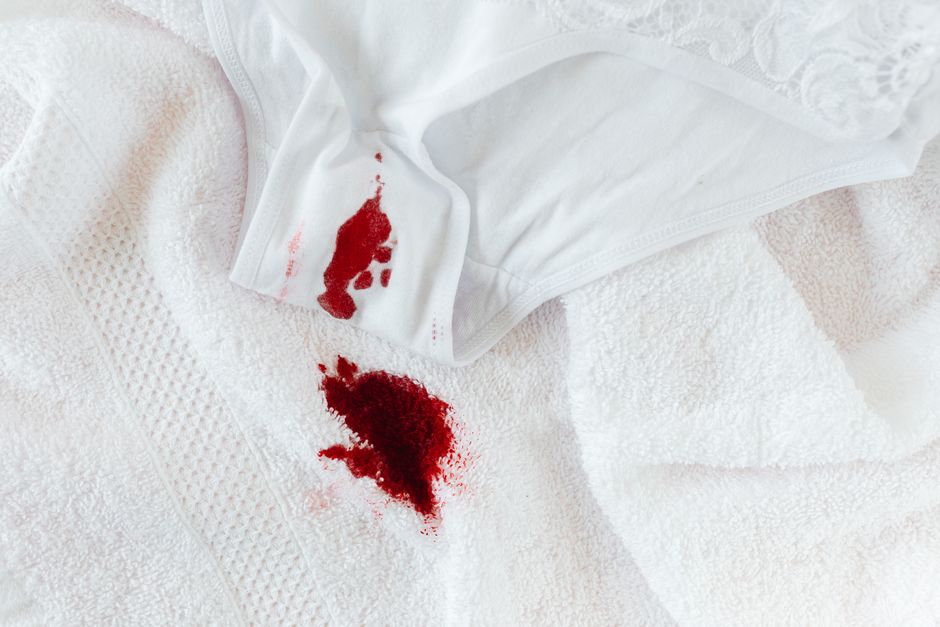
Period underwear works like a regular pair of underwear, but it has built-in absorbent layers that trap menstrual fluid. You wear it, wash it, and reuse it. The key is getting the right fit, changing it when needed, and caring for it properly so it lasts. Here is the direct answer: choose a size that fits snugly but comfortably, change the underwear every 8 to 12 hours depending on your flow, rinse it in cold water after wearing, and wash it on a gentle cycle without fabric softener.
How To Wear Period Underwear Fit Use Care?
Getting the fit right is the most important part. Period underwear should feel like regular underwear, not like a diaper or a swimsuit. If it is too loose, blood can leak around the edges. If it is too tight, it can cause chafing or put pressure on your abdomen.
Most brands offer size charts based on hip and waist measurements. Measure yourself with a soft tape measure around the widest part of your hips. Compare that number to the brand’s size chart. Do not guess based on your regular underwear size, because period underwear brands vary widely.
Some brands run small, some run large. Read reviews if you can. When in doubt, size up rather than down. A slightly larger pair is more comfortable and still catches flow. A smaller pair can create gaps where leaks happen.
Check the absorbent panel placement. Most period underwear has absorbent material that extends from the front to the back. It should cover more than just the middle. Look for coverage that reaches toward the front waistband and up the back. This matters if you sleep on your back or move around a lot during the day.
The gusset — the wider panel in the crotch — should sit directly against your vulva. If it shifts, the underwear will not catch the flow properly. Adjust it when you put the underwear on, just like you would adjust a pad.
How Much Blood Can Period Underwear Hold?
Absorbency varies by brand and style. Light days typically hold about 5 to 10 milliliters. Moderate days hold around 15 to 20 milliliters. Heavy days and overnight styles can hold 30 milliliters or more.
For reference, a regular tampon holds about 5 milliliters. A super tampon holds about 10 to 12 milliliters. A typical period involves a total of 30 to 80 milliliters of blood over the whole cycle.
This means a single pair of heavy-duty period underwear can replace several tampons or pads. But you still need to change it. Wearing one pair all day on a heavy day is not realistic. Most people need one pair for the day and one for the night on heavy days.
You cannot feel when period underwear is full the way you feel a soaked pad. There is no wet sensation because the moisture is pulled away from your skin. Set a schedule. Change it in the morning and before bed at minimum. If your flow is heavy, change it more often.
How Long Can You Wear Period Underwear Safely?
Most brands recommend changing every 8 to 12 hours. This is similar to the guidance for tampons, but the reason is different. Tampons carry a risk of toxic shock syndrome if left in too long. Period underwear does not carry that same risk because nothing is inserted into the body.
The main concern with wearing period underwear too long is skin irritation and odor. Blood breaks down over time, and bacteria grow in warm, moist environments. Leaving the underwear on for over 12 hours increases the chance of a yeast infection or general irritation, especially if you are prone to them.
Some people wear one pair for a full 24 hours on very light days. This is generally fine for skin health, but it is not ideal. Changing daily is a reasonable minimum.
If you have a medical condition that affects your immune system, or if you are prone to recurrent infections, change more frequently. When in doubt, change at the halfway point of your day.



How To Wash Period Underwear So It Lasts
Proper washing is what makes period underwear reusable. Done right, a pair lasts 1 to 2 years with regular use. Done wrong, it loses absorbency within months.
Rinse the underwear in cold water as soon as you take it off. Cold water prevents blood from setting into the fabric. Hold it under a running tap or soak it in a sink until the water runs mostly clear. Do not use hot water at this stage. Heat makes blood proteins bind to fabric.
Do not wring the underwear. Squeeze it gently to remove excess water. Wringing can damage the absorbent layers inside.
After rinsing, you can wash it in a washing machine or by hand. Machine washing on a gentle cycle with cold water works well. Use a mild detergent. Avoid fabric softeners and bleach. Fabric softener coats the absorbent fibers and reduces how much liquid they can hold. This is one of the fastest ways to ruin period underwear.
Air drying is required. Do not put period underwear in the dryer. High heat damages the waterproof layer and the absorbent core. Hang them up or lay them flat. They typically dry within 24 hours.
If you cannot rinse immediately, store the used pair in a wet bag or a sealed plastic bag until you can wash it. Do not leave it balled up in a hamper. Stained fabric is easier to clean if it does not dry first.
Can You Wear Period Underwear Alone or With Other Products?
Yes, you can wear period underwear alone. That is the point of the product. It catches blood without needing a pad or tampon.
Some people combine period underwear with a tampon or menstrual cup on heavy days. This is a backup strategy, not a requirement. The underwear catches any leaks from the cup or tampon. It can also extend the time between cup or tampon changes.
Combining products does not cause harm. But it does mean more to manage. If you are using a cup that is inserted correctly, you may not need the underwear backup at all.
For overnight use, many people wear period underwear alone. The longer absorbent panel in the back catches blood when lying down. This is one of the most common reasons people switch to period underwear — no more waking up to a leak.
How Many Pairs Do You Need?
Most people need 3 to 5 pairs to get through a period without washing daily. This covers one pair for the day, one for the night, and one spare. If you have a heavy flow, you may need more.
If you want to try period underwear without a big investment, buy one pair first. Test it on a light day or overnight. See how it feels and how well it works for your body before buying more.
Different styles serve different purposes. High-waisted briefs work well for overnight. Thongs work for light days but hold very little blood. Boy shorts and bikini styles are middle ground options. You do not need every style. One or two styles that fit your body and flow pattern are enough.
Do Period Underwear Cause Health Risks?
No major health risks are associated with period underwear. The materials sit outside the body. They do not affect the vaginal microbiome the way inserted products can.
Some brands use silver or other antimicrobial treatments to reduce odor. These are generally recognized as safe in the amounts used in clothing. If you have sensitive skin, look for brands that use minimal dyes and fragrance. Fragrance in underwear is unnecessary and can cause contact irritation.
One thing to note: period underwear does not prevent pregnancy and does not protect against sexually transmitted infections. It is menstrual management only.
Frequently Asked Questions
Can you sleep in period underwear?
Yes. Overnight styles have extra absorbent coverage in the back for lying down. Change into a fresh pair before bed and change again in the morning.
How often should you change period underwear?
Every 8 to 12 hours on average, depending on your flow. Heavy days require more frequent changes than light days.
Can you wear period underwear in a swimming pool?
No. Period underwear is not designed for swimming. The absorbent layers will soak up pool or ocean water, and the underwear will not function properly afterward.
Do you need to wash period underwear before the first use?
Yes. Wash a new pair once before wearing it. This removes any manufacturing residues and activates the absorbent layers.
