
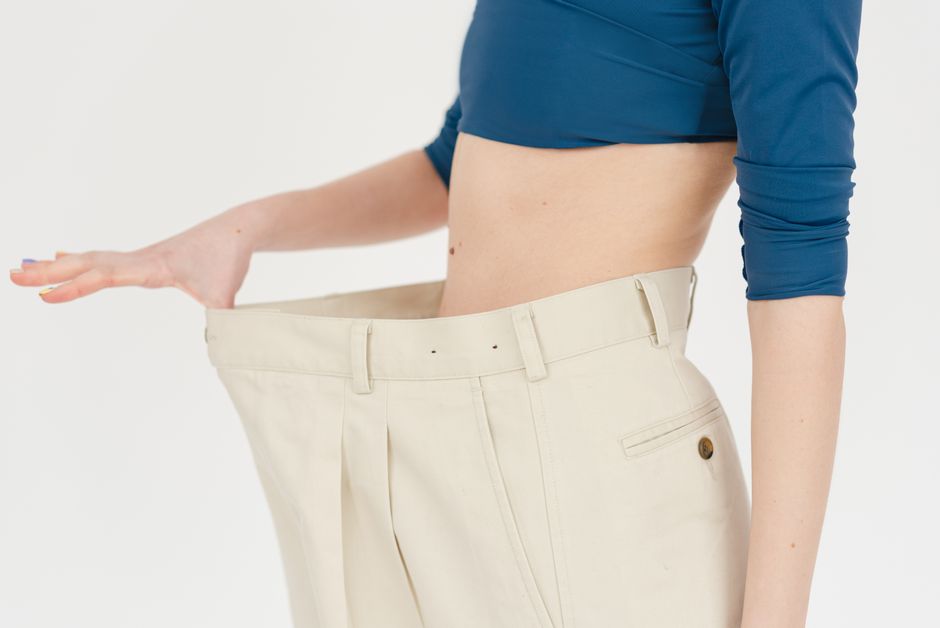
Belly fat is stubborn, and the internet is full of advice that does not work. The honest answer is that no single food, pill, or exercise targets belly fat alone. Getting rid of it requires a combination of eating less processed food, moving your body in specific ways, managing stress, and sleeping enough. It is not a quick fix, but it is possible with consistent effort over months, not days.
What Actually Causes Belly Fat in Women Over 35?
Belly fat is not just from eating too much. For women, the main driver is often hormonal. As estrogen drops during perimenopause and menopause, your body tends to store more fat in the abdomen rather than the hips and thighs. This is a biological shift, not a personal failure.
Stress plays a big role too. Cortisol, the stress hormone, signals your body to hold onto fat in the midsection. A study from 2018 found that women with higher cortisol levels had more belly fat even if their weight was normal. This means that managing stress is not optional — it is a direct strategy.
Sleep is another factor most people ignore. When you sleep less than six hours a night, your body produces more ghrelin (the hunger hormone) and less leptin (the fullness hormone). You end up craving carbs and eating more without realizing it. Current research suggests that women who sleep seven to eight hours a night tend to have less belly fat than those who sleep less.
Genetics also play a role. Some women store fat in their belly first no matter what they do. You cannot change your genes, but you can change what you do with the body you have.
Can You Actually Target Belly Fat With Exercise?
Many people believe that crunches or sit-ups will burn belly fat. This is not how the body works. Spot reduction — losing fat from one specific area by exercising that area — has been debunked by multiple studies. One well-known study from 2011 had participants do abdominal exercises for six weeks. They saw no reduction in belly fat compared to a control group.
What does work is full-body movement that burns calories and reduces overall body fat. As your total body fat percentage drops, your belly fat will shrink too. It just takes time and consistency.
Strength training is especially important for women over 35. As you lose muscle with age, your metabolism slows down. Building muscle through resistance exercises helps you burn more calories at rest. Compound movements like squats, deadlifts, and push-ups work multiple muscle groups at once and are more effective than isolation exercises.
High-intensity interval training (HIIT) also shows strong results for belly fat. A 2018 review of studies found that HIIT reduced belly fat more effectively than steady-state cardio in women. The reason is that HIIT creates a metabolic afterburn effect — you keep burning calories for hours after the workout ends.
That said, you do not need to do HIIT every day. Two to three sessions per week combined with two days of strength training and daily walking is a realistic goal. Walking 8,000 to 10,000 steps a day has been shown to reduce belly fat over time without the risk of injury that comes with high-impact exercise.
What Should You Eat to Lose Belly Fat?
There is no magic food that burns belly fat. But there are eating patterns that consistently work. The most evidence-backed approach is reducing refined carbohydrates and added sugars. These foods spike your blood sugar and insulin, which tells your body to store fat in the abdomen.
A study published in 2015 compared a low-fat diet to a low-carb diet. Both groups lost weight, but the low-carb group lost more belly fat specifically. This does not mean you need to go keto. It means cutting out sugary drinks, white bread, pasta, and pastries will make a real difference.
Protein is important for belly fat loss. Eating enough protein (about 20 to 30 grams per meal) helps you feel full, preserves muscle mass, and increases your metabolism slightly. Good sources are eggs, chicken, fish, tofu, Greek yogurt, and legumes.
Fiber, especially soluble fiber, has been directly linked to less belly fat. A 2011 study found that for every 10 grams of soluble fiber eaten per day, belly fat decreased by 3.7 percent over five years. Soluble fiber is found in oats, apples, carrots, beans, and flaxseeds. It forms a gel in your gut that slows digestion and helps you feel full longer.
One practical tip: eat your vegetables first at meals. This simple habit fills you up with fiber before you get to the calorie-dense parts of the meal. It is not a gimmick — it is backed by research on meal sequencing.
Here is a comparison of two eating patterns to help you see the difference:
| Factor | Typical American Diet | Belly-Fat Friendly Diet |
|---|---|---|
| Sugar intake | High (soda, juice, sweets) | Low (water, unsweetened tea) |
| Refined grains | White bread, pasta, crackers | Whole grains like oats, quinoa |
| Protein per meal | Often low at breakfast | 20-30g at every meal |
| Fiber intake | 10-15g per day | 25-35g per day |
| Vegetable volume | 1 serving per day | 3-5 servings per day |





How Does Stress and Sleep Affect Belly Fat?
Stress and sleep are not side notes. They are central to belly fat storage. When you are chronically stressed, your body releases cortisol. High cortisol levels cause fat cells in the abdomen to grow and store more fat. This has been shown in multiple studies, including one from 2015 that found women with higher perceived stress had more visceral fat even after controlling for diet and exercise.
Sleep deprivation has a similar effect. A 2016 study had participants sleep only five hours per night for one week. They gained nearly two pounds of belly fat compared to those who slept nine hours. The sleep-deprived group also ate more calories from snacks, especially at night.
Practical steps that work: aim for seven to eight hours of sleep per night. Keep your bedroom cool and dark. Stop eating at least two hours before bed. For stress, even ten minutes of deep breathing or a short walk can lower cortisol. Yoga and meditation have specific evidence for reducing belly fat in women, likely because they lower stress hormones.
This is the part of belly fat loss that most articles skip because it is not exciting. But it is the part that makes everything else work better. You can eat perfectly and exercise daily, but if you are stressed and sleep-deprived, your body will fight you every step of the way.
What Are Common Misconceptions About Belly Fat?
There is a lot of bad information out there. Let us clear up the most common myths.
Myth: Detox teas and cleanses flush out belly fat. This is not true. Your liver and kidneys already detox your body. These products usually contain laxatives or diuretics that make you lose water weight temporarily. You are not losing fat. As of 2026, there is no clinical evidence that any detox product reduces belly fat.
Myth: You can lose belly fat in two weeks. This is a marketing lie. Healthy fat loss is about one to two pounds per week. Belly fat is often the last area to shrink. Realistic timelines are months, not weeks. If you see a dramatic before-and-after photo, it is likely from water loss, lighting, or photo editing.
Myth: Dairy causes belly fat. Some people report bloating from dairy, but studies do not show that dairy causes fat storage. In fact, some research suggests that dairy intake is linked to less belly fat, possibly because of the calcium and protein content. The exception is if you are lactose intolerant — then the bloating can make your belly look larger temporarily.
Myth: Ab exercises like planks and crunches will give you a flat stomach. As mentioned earlier, spot reduction does not work. Ab exercises strengthen the muscles under the fat, but they do not remove the fat itself. You need to reduce overall body fat through diet and full-body exercise to see the muscle definition.
What Is the Most Realistic Plan to Get Rid of Belly Fat?
A realistic plan combines small changes that you can maintain for months. Here is what that looks like for most women:
- Cut out sugary drinks entirely. This includes soda, sweetened coffee drinks, and fruit juice. Drink water, black coffee, or unsweetened tea.
- Eat protein at every meal. Aim for 20-30 grams per meal. This keeps you full and preserves muscle.
- Walk 8,000 to 10,000 steps per day. This is more effective than most people realize for reducing belly fat over time.
- Do strength training two to three times per week. Focus on compound exercises like squats, lunges, rows, and presses.
- Sleep seven to eight hours per night. Make this non-negotiable.
- Find a stress management habit that you actually do. Walking, reading, deep breathing — it does not matter what, as long as it lowers your stress.
This list is not exciting. It does not promise fast results. But it is what the evidence supports. Women who follow this pattern for six to twelve months consistently see a reduction in belly fat. The key is consistency, not perfection.
One thing to keep in mind: belly fat is often the last fat to go. You may lose weight from your face, arms, and legs before you see changes in your midsection. This is normal. It does not mean your efforts are failing. It means your body is following its own genetic pattern of fat loss.
If you have a large amount of belly fat that feels hard and protrudes outward, it may be visceral fat. This type of fat surrounds your organs and is linked to higher health risks. Visceral fat responds well to the same strategies listed above, but it may require more aggressive dietary changes and more consistent exercise. Some studies suggest that a Mediterranean diet — rich in vegetables, olive oil, fish, and whole grains — is particularly effective for reducing visceral fat in women.
As of 2026, there is no shortcut. The products and programs that promise to “target” belly fat are selling hope, not results. The real solution is boring, slow, and reliable. That is why it works.
Frequently Asked Questions About get rid of belly fat women
Can I lose belly fat without exercise?
Yes, but it takes longer. Diet changes alone can reduce belly fat, but combining them with exercise gives faster and more sustainable results.
How long does it take to see results from belly fat exercises?
Most women see noticeable changes in four to eight weeks if they combine diet changes with consistent exercise and sleep improvements.
Does drinking lemon water reduce belly fat?
No. Lemon water is just water with vitamin C. It does not burn fat or target belly fat in any way.
Are there any supplements that help with belly fat?
Some studies suggest that probiotics and green tea extract may have a small effect, but no supplement replaces diet and exercise.
